Teenage Distraction Presentation
| Introduction | ||
|---|---|---|
| Teenage Distraction: Understanding the Challenges. Impact of Distraction on Teenagers' Lives. Importance of Addressing the Issue. | ||
| 1 | ||
| Types of Distractions | ||
|---|---|---|
| Technological Distractions: Social media, smartphones, and gaming. Environmental Distractions: Noise, cluttered spaces, and multitasking. Social Distractions: Peer pressure, relationships, and social events. | ||
| 2 | ||
| Consequences of Distraction | ||
|---|---|---|
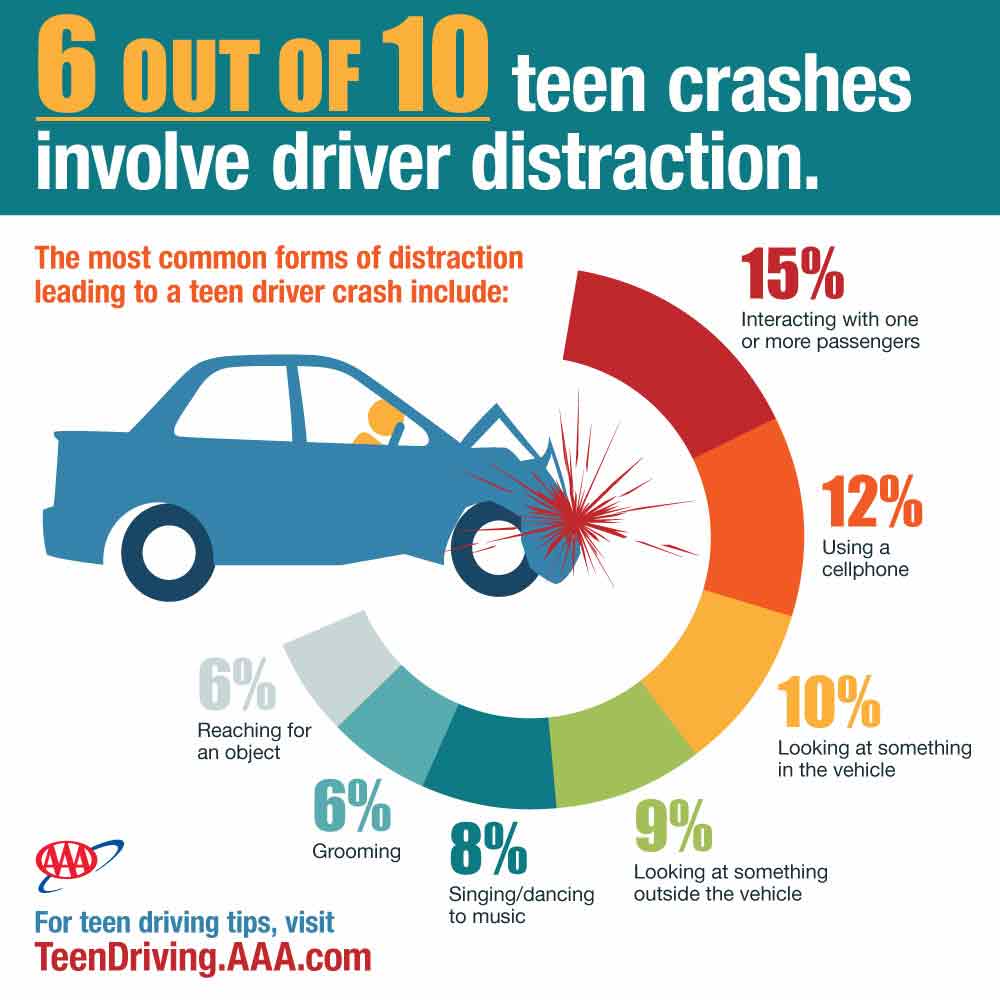
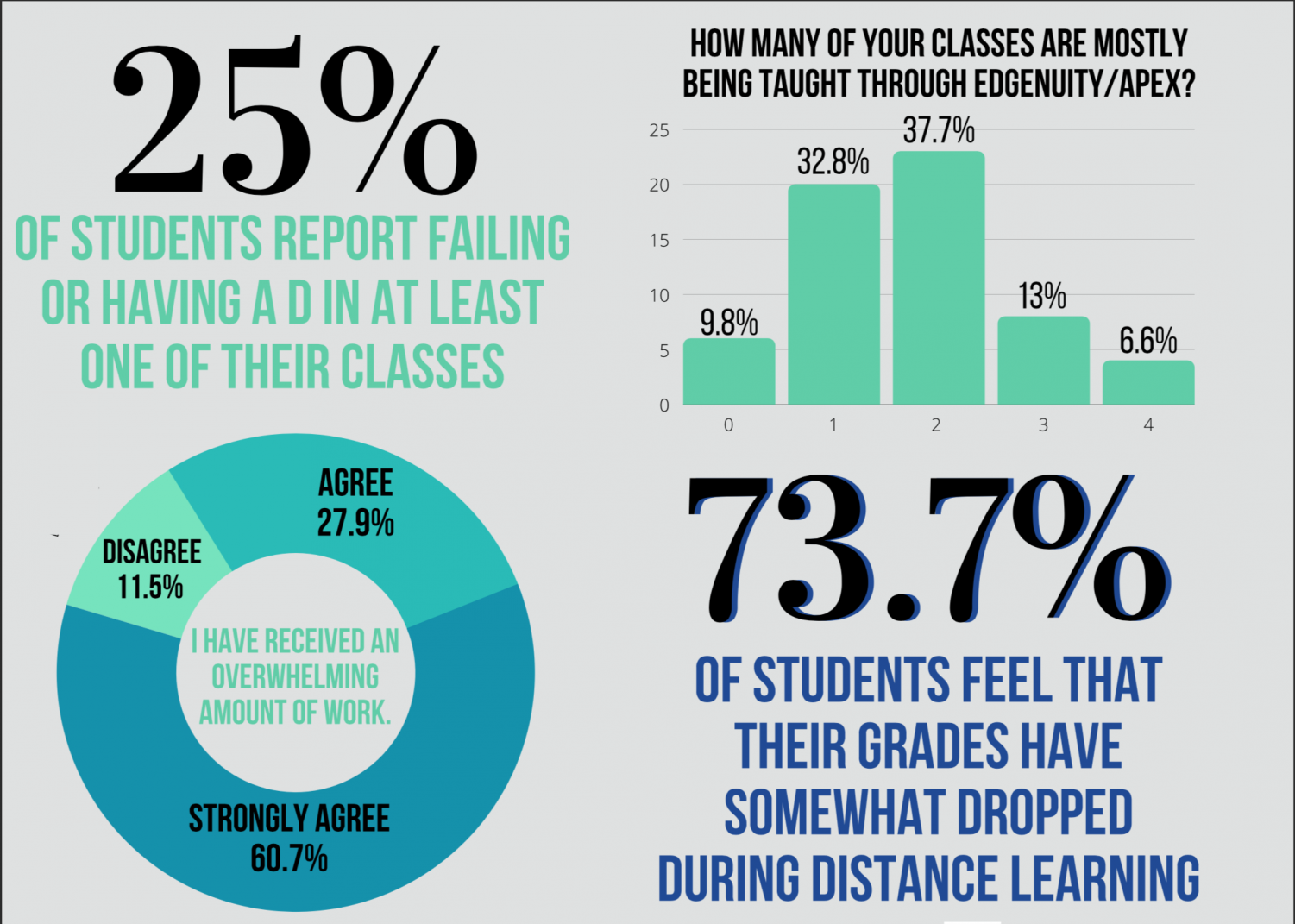
| Academic Performance: Decreased focus, lower grades, and missed deadlines. Mental Health: Increased stress, anxiety, and difficulty managing emotions. Physical Safety: Distracted driving, accidents, and injuries. | ||
| 3 | ||
| Factors Contributing to Teenage Distraction | ||
|---|---|---|
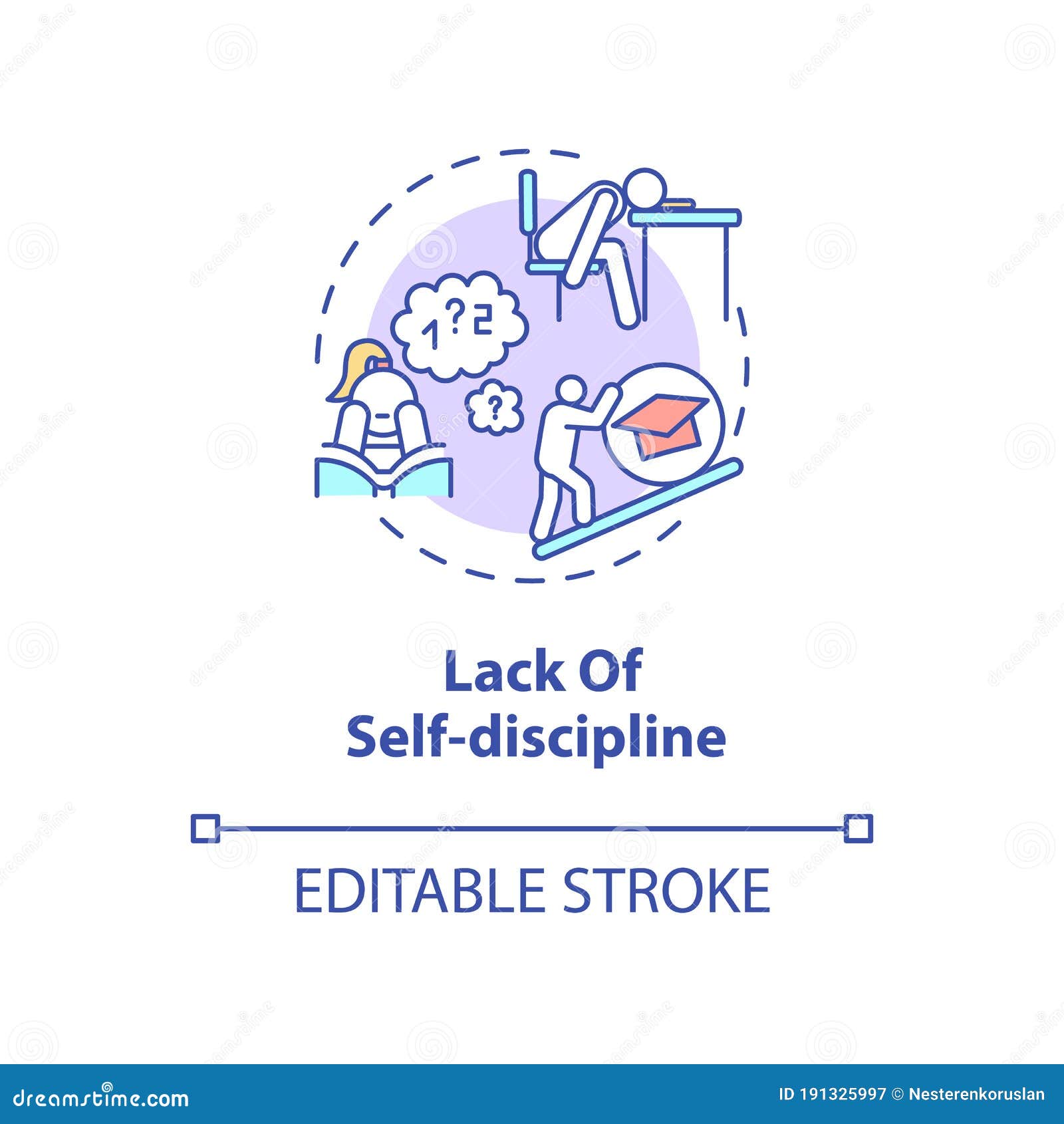
| Lack of Self-Discipline: Difficulty prioritizing tasks and managing time. Overwhelming Demands: Schoolwork, extracurricular activities, and part-time jobs. Peer Influence: Pressure to be constantly connected and fear of missing out. | ||
| 4 | ||
| Strategies for Minimizing Distraction | ||
|---|---|---|
| Setting Clear Boundaries: Establishing technology-free zones and designated study time. Time Management Techniques: Prioritizing tasks, using schedules, and setting realistic goals. Developing Self-Awareness: Recognizing personal triggers and implementing self-control strategies. | ||
| 5 | ||

| Creating a Distraction-Free Environment | ||
|---|---|---|
| Organize Study Space: Minimize clutter, eliminate distractions, and create a peaceful atmosphere. Noise Management: Use noise-cancelling headphones or background music to improve focus. Minimize Interruptions: Communicate with family members, turn off notifications, and set boundaries. | ||
| 6 | ||

| Digital Detox and Mindfulness | ||
|---|---|---|
| Encouraging Screen Breaks: Engaging in physical activities, hobbies, and spending time outdoors. Mindfulness Practices: Deep breathing exercises, meditation, and practicing gratitude. Setting Realistic Technology Usage Limits: Encouraging balance and moderation. | ||
| 7 | ||

| Educating Teens about the Dangers | ||
|---|---|---|
| Raising Awareness: Share statistics, real-life stories, and consequences of distraction. Providing Resources: Promote educational videos, articles, and workshops. Engaging in Open Conversations: Encourage dialogue about responsible technology use and the importance of focus. | ||
| 8 | ||

| Building Support Systems | ||
|---|---|---|
| Parental Involvement: Monitoring screen time, setting rules, and leading by example. School Initiatives: Incorporating time management workshops, study skills, and stress management programs. Peer Support Groups: Encouraging discussions, accountability, and sharing strategies. | ||
| 9 | ||
| Conclusion | ||
|---|---|---|
| Taking Action: Recognizing the issue, implementing strategies, and seeking support. Empowering Teenagers: Providing tools and resources to help manage distractions. Creating Healthy Habits: Fostering balance, focus, and overall well-being. | ||
| 10 | ||
