Recycling Glass And Polymers Presentation
| Introduction to Glass and Polymer Recycling | ||
|---|---|---|
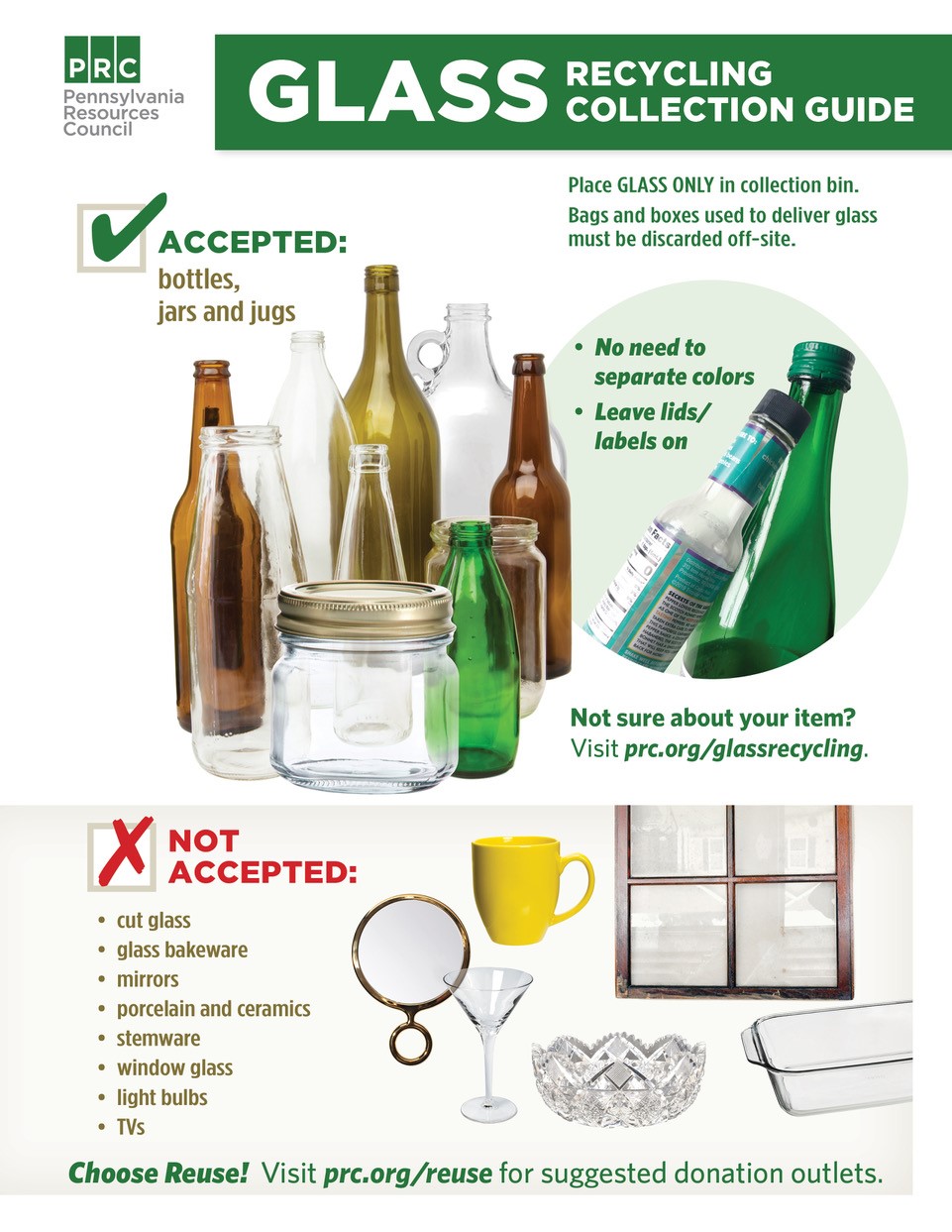
| Glass and polymer recycling are important processes in waste management. Recycling glass and polymers helps reduce waste sent to landfills. The recycling process helps conserve energy and natural resources. | ||
| 1 | ||

| Benefits of Glass Recycling | ||
|---|---|---|
| Glass recycling reduces the need for raw materials, such as sand and limestone, saving natural resources. Recycling glass reduces energy consumption during manufacturing, lowering greenhouse gas emissions. By recycling glass, we can reduce the amount of waste that ends up in landfills. | ||
| 2 | ||
| Process of Glass Recycling | ||
|---|---|---|
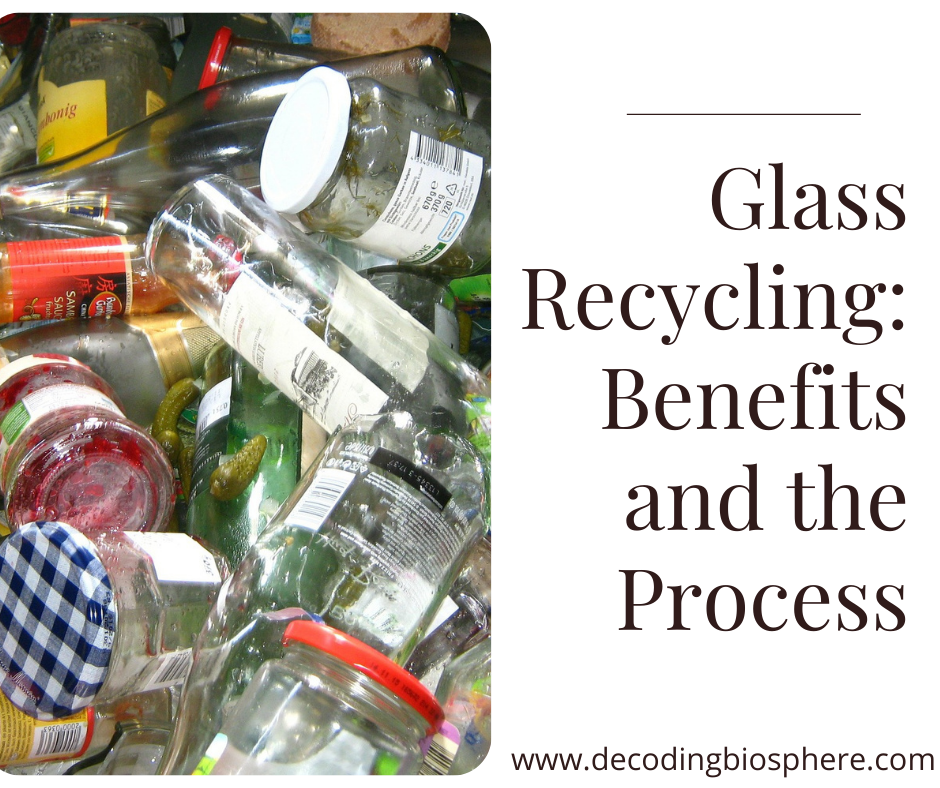
| Glass recycling starts with collection and sorting of glass by color (clear, green, brown) to maintain quality. The sorted glass is then crushed into small pieces called cullet. The cullet is melted in a furnace, formed into new glass products, and cooled for use. | ||
| 3 | ||
| Types of Glass Products Made from Recycled Glass | ||
|---|---|---|
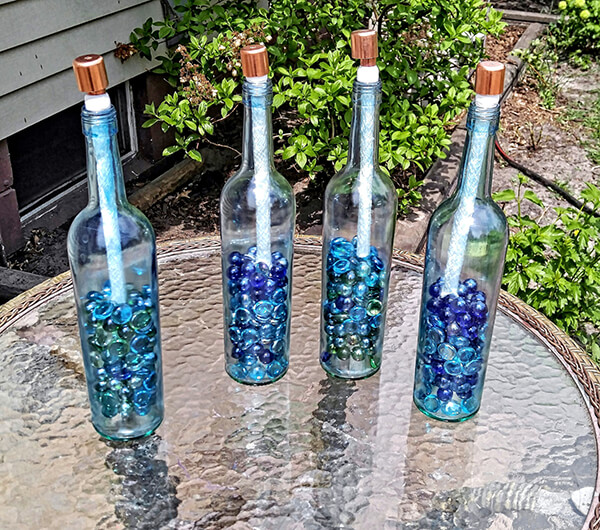
| Recycled glass can be used to make new glass bottles and jars. It can also be used in the production of fiberglass insulation. Crushed glass can be used as an aggregate in construction projects. | ||
| 4 | ||
| Challenges of Glass Recycling | ||
|---|---|---|
| Contamination from non-glass materials, such as ceramics or metals, can affect the quality of recycled glass. Different colors of glass need to be separated for recycling to maintain the desired color of new glass products. The transportation and logistics of collecting and processing glass for recycling can be costly. | ||
| 5 | ||

| Introduction to Polymer Recycling | ||
|---|---|---|
| Polymers, such as plastic, are widely used in various industries and contribute to waste generation. Polymer recycling helps reduce pollution, conserve energy, and decrease dependence on fossil fuels. Recycling polymers reduces the amount of plastic waste that ends up in oceans and ecosystems. | ||
| 6 | ||

| Types of Polymers Suitable for Recycling | ||
|---|---|---|
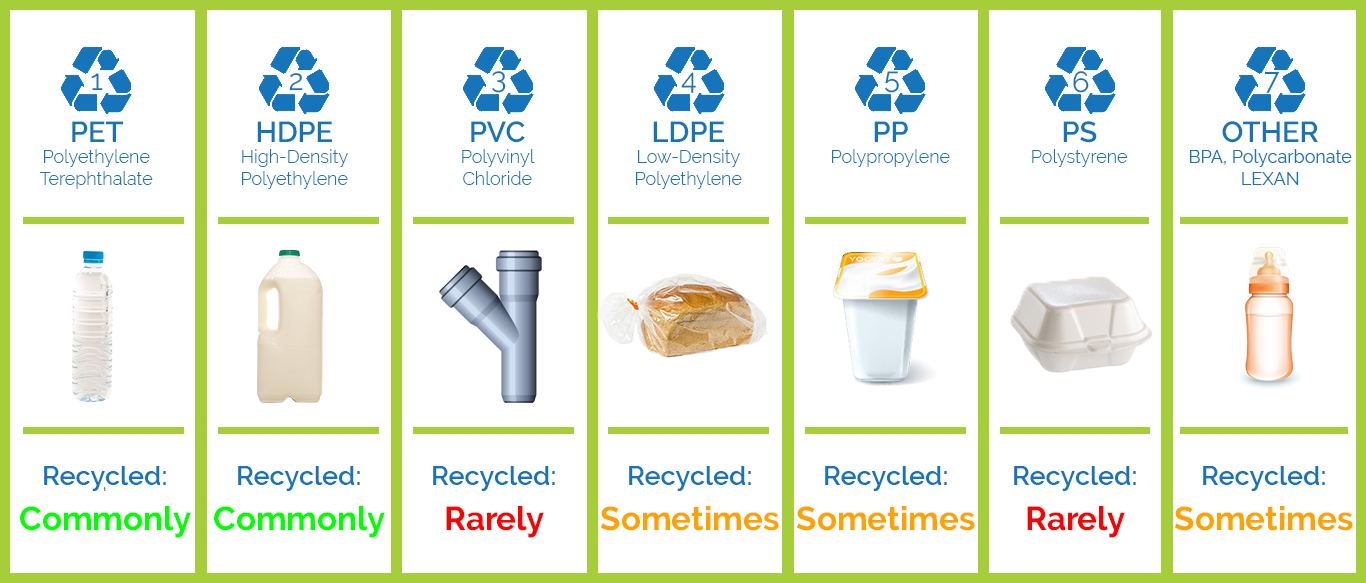
| PET (Polyethylene terephthalate) commonly used in beverage bottles, can be recycled into new bottles or polyester fiber. HDPE (High-density polyethylene) used in milk jugs and detergent bottles, can be recycled into plastic lumber or pipes. PVC (Polyvinyl chloride) found in pipes and window frames, can be recycled into flooring or vinyl records. | ||
| 7 | ||
| Process of Polymer Recycling | ||
|---|---|---|
| Polymer recycling involves collecting, sorting, and cleaning the plastic waste. The sorted plastic is then shredded into small pieces, washed, and melted down. The melted plastic is formed into pellets or flakes, which can be used to manufacture new plastic products. | ||
| 8 | ||

| Applications of Recycled Polymers | ||
|---|---|---|
| Recycled polymers can be used in the production of new plastic products, such as packaging, containers, and automotive parts. They can also be used in the construction industry for items like pipes, insulation, and decking materials. The use of recycled polymers helps reduce the demand for virgin plastic and conserves natural resources. | ||
| 9 | ||
.jpg)
| Conclusion | ||
|---|---|---|
| Recycling glass and polymers is crucial for waste management and environmental sustainability. It helps conserve natural resources, reduce energy consumption, and minimize pollution. By supporting glass and polymer recycling, we can contribute to a cleaner and greener future. | ||
| 10 | ||