Motivational Presentation
| Introduction to Motivational | ||
|---|---|---|
| Motivational refers to the psychological drive that compels individuals to take action towards achieving their goals. Motivation can be intrinsic, stemming from internal factors, or extrinsic, driven by external rewards or punishments. The level of motivation can greatly impact an individual's productivity, performance, and overall success. | ||
| 1 | ||

| Factors Affecting Motivation | ||
|---|---|---|
| Self-efficacy, or one's belief in their ability to succeed, plays a significant role in motivation. Goal-setting is another crucial factor, as clear and challenging goals can enhance motivation. The presence of positive reinforcement and supportive environments can also boost motivation levels. | ||
| 2 | ||

| Theories of Motivation | ||
|---|---|---|
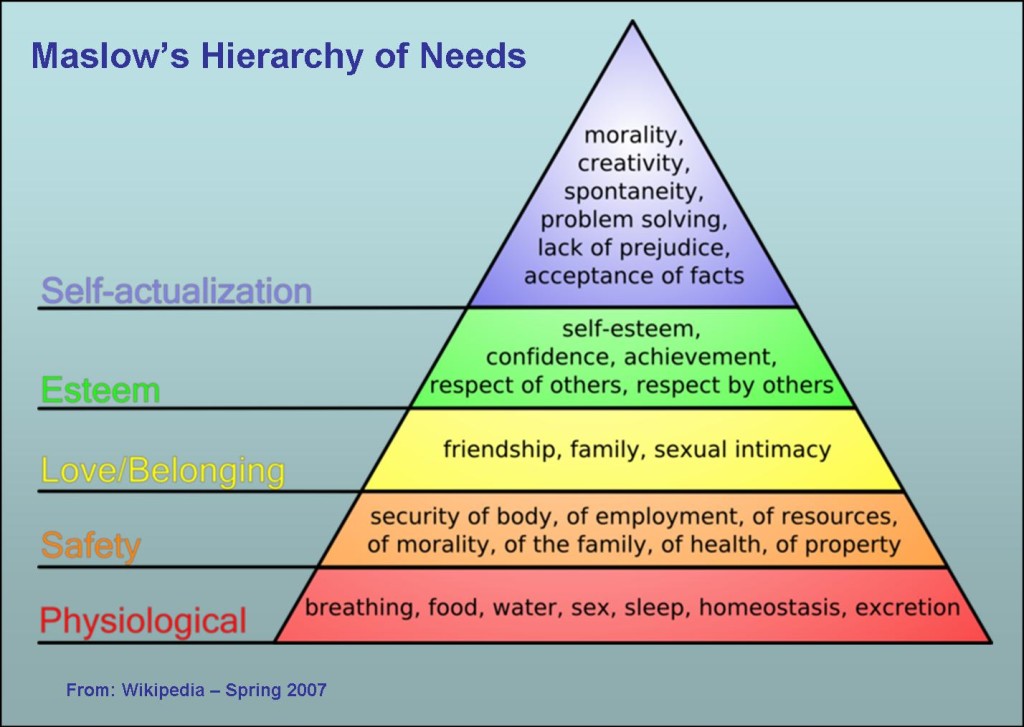
| Maslow's Hierarchy of Needs suggests that individuals are motivated by a hierarchy of needs, with basic physiological needs at the bottom and self-actualization needs at the top. The Expectancy-Value Theory proposes that motivation is influenced by an individual's expectations of success and the perceived value of the outcome. The Self-Determination Theory emphasizes the importance of autonomy, competence, and relatedness in fostering intrinsic motivation. | ||
| 3 | ||
| Techniques for Enhancing Motivation | ||
|---|---|---|
| Providing regular feedback and recognition can increase motivation by reinforcing desired behaviors. Offering meaningful rewards and incentives can serve as extrinsic motivators to drive performance. Creating a supportive and positive work or learning environment can boost intrinsic motivation. | ||
| 4 | ||

| Importance of Motivation in the Workplace | ||
|---|---|---|
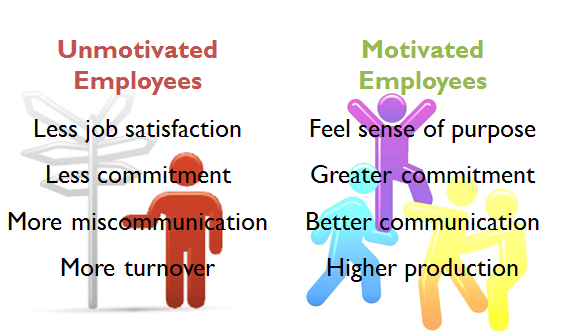
| Motivated employees tend to be more engaged, creative, and productive, leading to better overall performance. A motivated workforce can contribute to increased job satisfaction and reduced turnover rates. Effective leadership and communication play a vital role in fostering a motivated work environment. | ||
| 5 | ||
| Motivation in Education | ||
|---|---|---|
| Motivated students are more likely to be active learners and achieve higher academic success. Teachers can enhance motivation by making learning meaningful and relevant to students' interests and goals. Providing opportunities for autonomy, mastery, and purpose can foster intrinsic motivation in the classroom. | ||
| 6 | ||

| Motivation in Sports | ||
|---|---|---|
| Motivation plays a crucial role in athletes' performance, determination, and perseverance. Coaches can enhance motivation by setting challenging yet attainable goals and providing constructive feedback. Building a supportive team culture and fostering a growth mindset can also boost athletes' motivation. | ||
| 7 | ||

| Motivation in Personal Development | ||
|---|---|---|
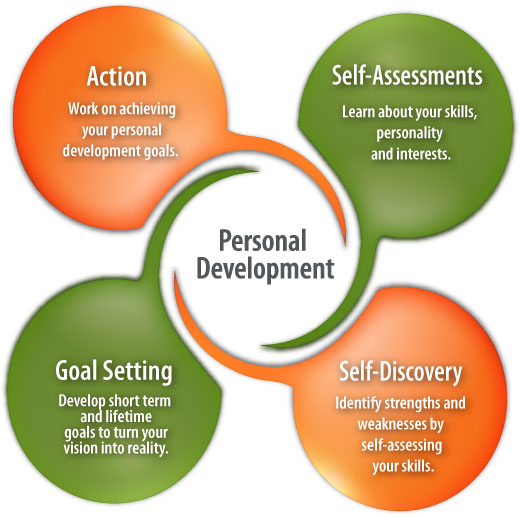
| Motivation is essential for individuals striving to achieve personal goals and self-improvement. Setting specific, measurable, achievable, relevant, and time-bound (SMART) goals can enhance motivation. Adopting positive self-talk, visualization, and seeking social support can help maintain motivation during challenging times. | ||
| 8 | ||
| Strategies for Overcoming Motivational Challenges | ||
|---|---|---|
| Breaking tasks into smaller, manageable steps can alleviate feelings of overwhelm and enhance motivation. Setting deadlines and creating a schedule can provide structure and accountability. Practicing self-care, such as getting enough rest, exercise, and maintaining a balanced lifestyle, can positively impact motivation. | ||
| 9 | ||

| Conclusion | ||
|---|---|---|
| Motivation is a powerful force that drives individuals towards achieving their goals. Understanding the factors, theories, and techniques for enhancing motivation can lead to increased productivity, performance, and overall success. By fostering motivation in various aspects of life, individuals can unlock their full potential and achieve their desired outcomes. | ||
| 10 | ||
| References (download PPTX file for details) | ||
|---|---|---|
| Maslow, A. H. (1943). A theory of human motiv... Vroom, V. H. (1964). Work and motivation. Wil... Deci, E. L., & Ryan, R. M. (2000). The" what"... |  | |
| 11 | ||