Management As A Science Presentation
| Introduction | ||
|---|---|---|
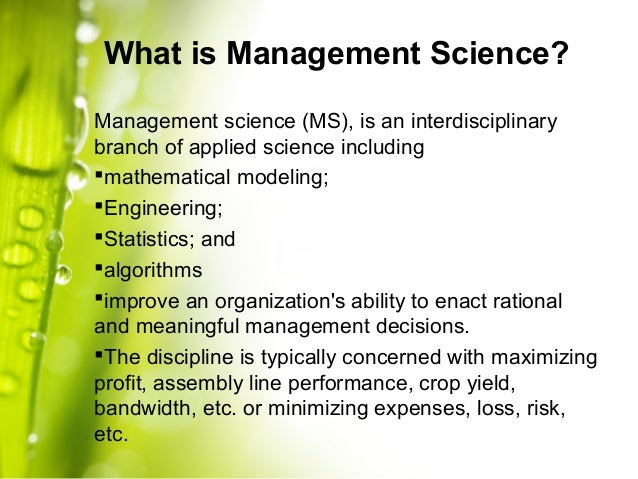
| Management as a science is the systematic study of principles and practices that guide effective leadership and decision-making in organizations. It aims to apply evidence-based theories and methodologies to improve productivity, efficiency, and overall organizational performance. The scientific approach in management involves observing, analyzing, and experimenting to develop reliable and valid theories and principles. | ||
| 1 | ||

| Key Characteristics of Management as a Science | ||
|---|---|---|
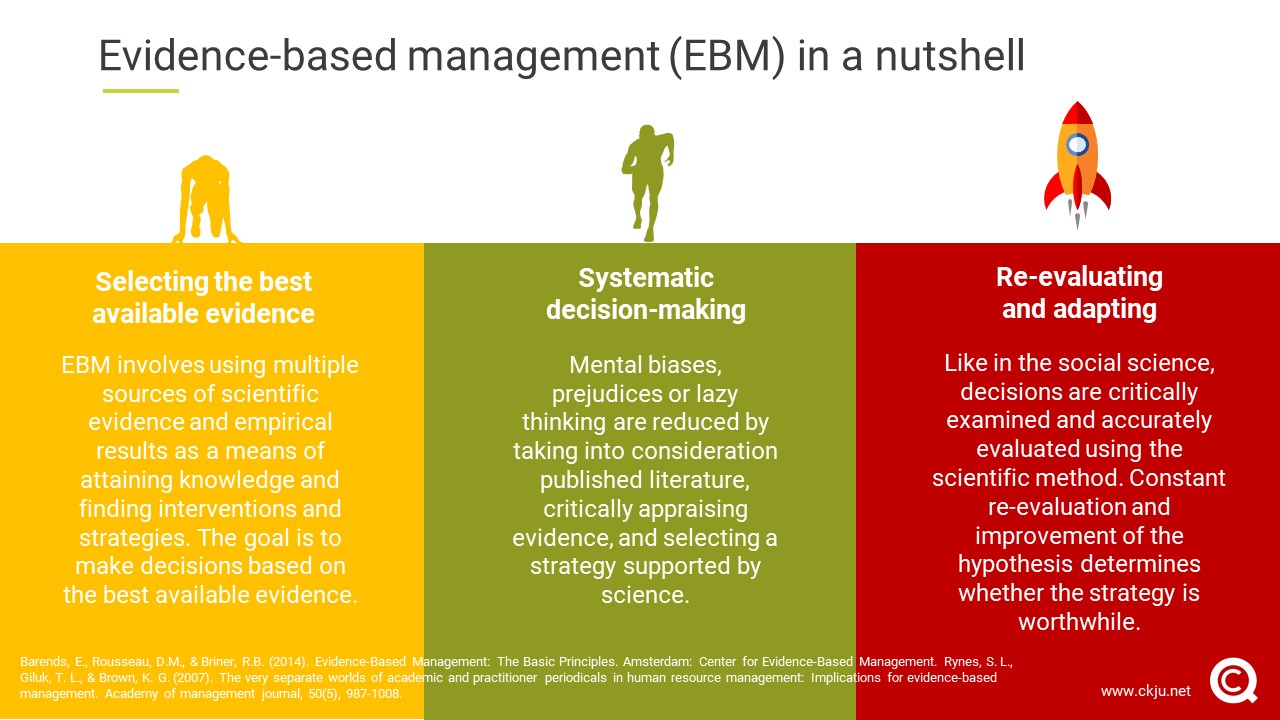
| Management as a science relies on empirical evidence and data-driven decision-making. It follows a systematic process of hypothesis formulation, experimentation, and theory development. It emphasizes objectivity, precision, and the use of scientific methods such as observation, measurement, and statistical analysis. | ||
| 2 | ||
| Benefits of Applying Management as a Science | ||
|---|---|---|
| Using management as a science allows organizations to make informed decisions based on evidence rather than intuition or personal biases. It enables organizations to adopt best practices and implement strategies that have been proven effective through rigorous research and experimentation. Applying scientific management principles can lead to improved productivity, increased employee satisfaction, and better overall organizational performance. | ||
| 3 | ||
| Criticisms of Management as a Science | ||
|---|---|---|
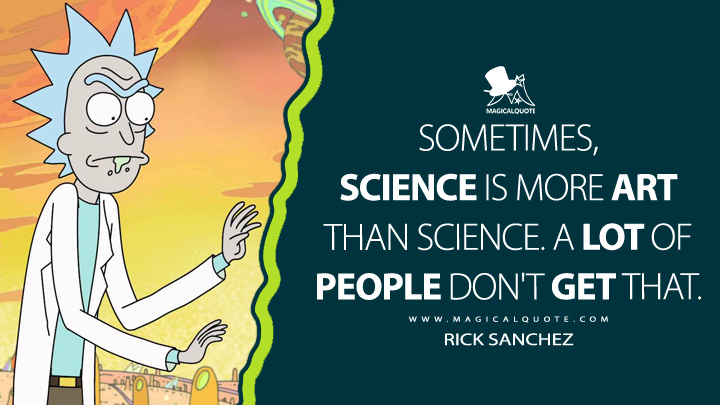
| Some argue that management is more of an art than a science due to its reliance on human judgment and interpersonal skills. Critics claim that management lacks the objectivity and predictability associated with traditional scientific disciplines. The dynamic and complex nature of organizations makes it challenging to apply scientific methods and principles in a one-size-fits-all manner. | ||
| 4 | ||
| Conclusion | ||
|---|---|---|
| While management as a science may have its limitations, it provides valuable tools and frameworks for effective decision-making and leadership. By incorporating scientific principles and practices, organizations can enhance their ability to achieve their goals and improve overall performance. Ultimately, management as a science offers a systematic and evidence-based approach to guide organizations towards success. | ||
| 5 | ||