Critical Thinking Presentation
| Introduction to Critical Thinking | ||
|---|---|---|
| Critical thinking is the ability to analyze and evaluate information objectively. It involves questioning assumptions and biases to reach informed and rational conclusions. By developing critical thinking skills, individuals can make better decisions and solve complex problems effectively. | ||
| 1 | ||
| Importance of Critical Thinking | ||
|---|---|---|
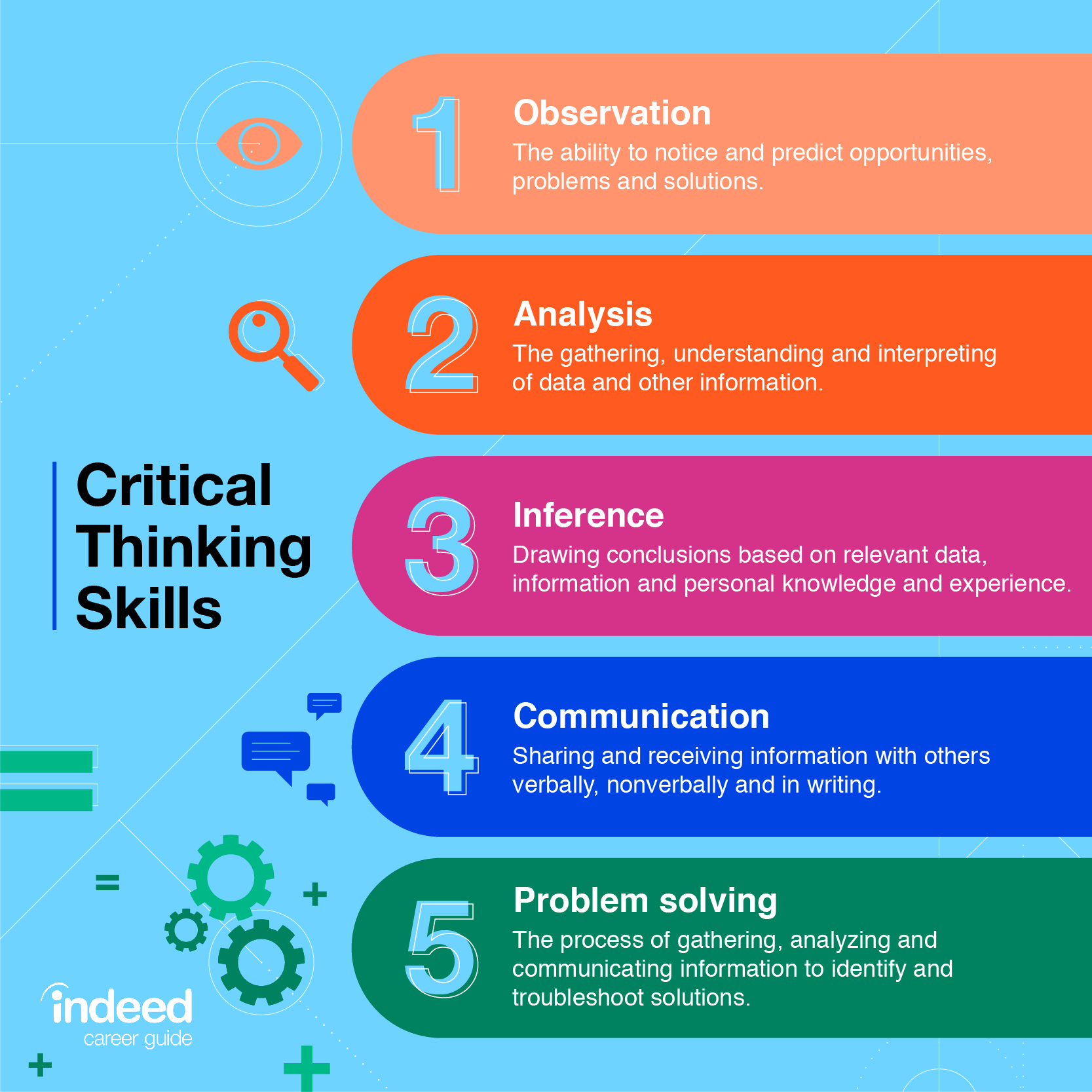
| Critical thinking enhances problem-solving skills and promotes innovative thinking. It helps individuals to avoid making hasty judgments based on emotions or personal beliefs. Critical thinking enables effective communication and fosters a culture of open-mindedness and intellectual growth. | ||
| 2 | ||

| Key Elements of Critical Thinking | ||
|---|---|---|
| Analysis: Breaking down complex information into smaller parts to understand the underlying meaning. Evaluation: Assessing the credibility, relevance, and reliability of information. Inference: Drawing logical and reasonable conclusions based on available evidence. | ||
| 3 | ||
| Critical Thinking Process | ||
|---|---|---|
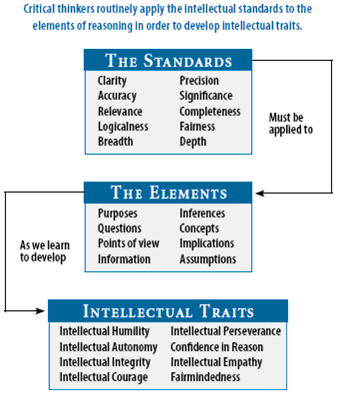
| Identify the problem or question that needs to be addressed. Gather relevant information from reliable sources. Analyze and evaluate the information to identify patterns or inconsistencies. | ||
| 4 | ||
| Common Barriers to Critical Thinking | ||
|---|---|---|
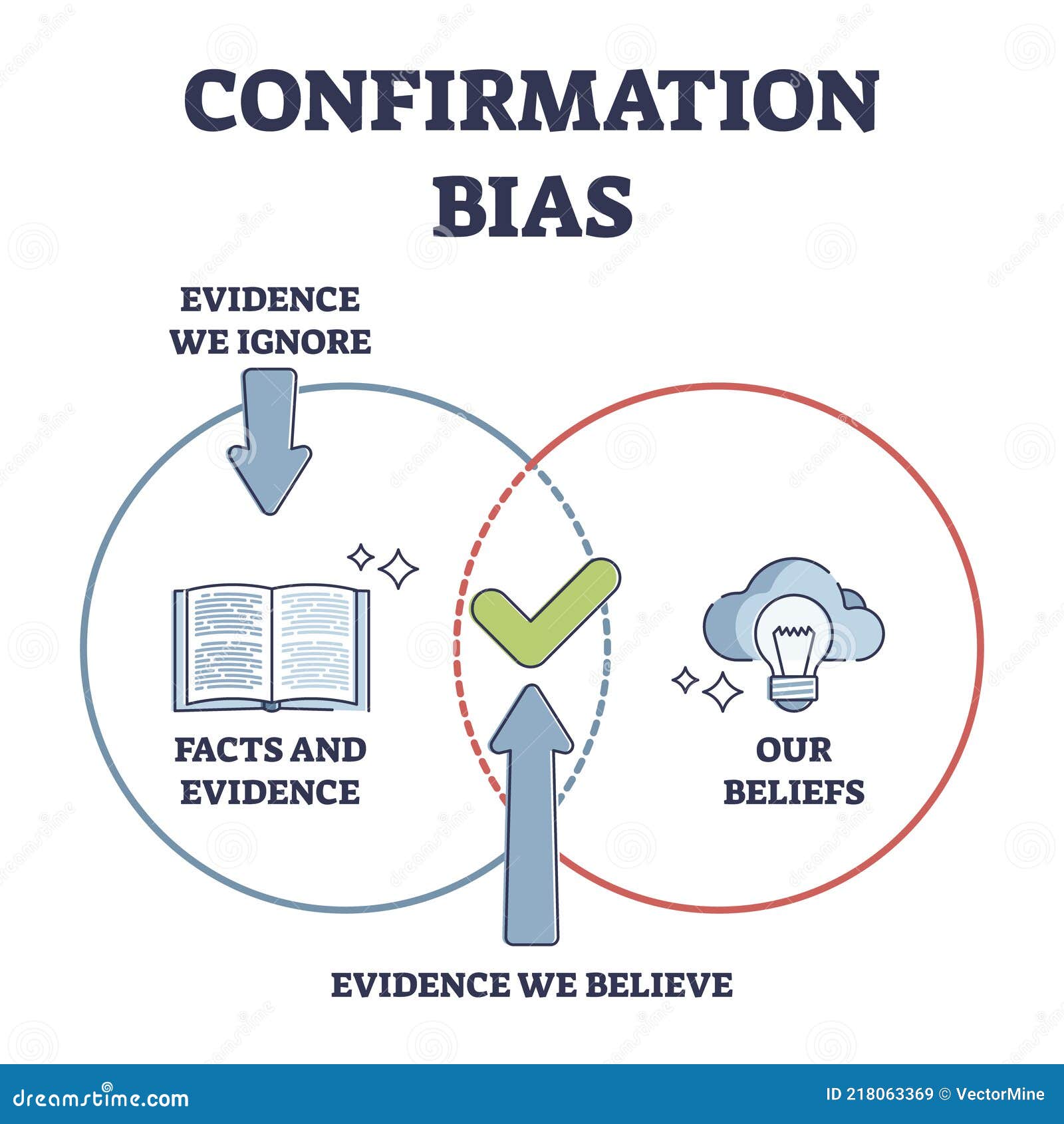
| Confirmation bias: Tendency to seek information that supports existing beliefs and ignore conflicting evidence. Emotional reasoning: Letting emotions rather than evidence guide thinking and decision-making. Lack of information or knowledge: Insufficient understanding of the subject matter. | ||
| 5 | ||
| Strategies to Enhance Critical Thinking | ||
|---|---|---|
| Ask probing questions to challenge assumptions and biases. Consider alternative perspectives and viewpoints. Engage in active listening and thoughtful reflection. | ||
| 6 | ||

| Applying Critical Thinking in Daily Life | ||
|---|---|---|
| Evaluating the credibility of news sources before accepting information as fact. Making informed decisions about health, finances, and relationships. Solving complex problems at work or in personal life. | ||
| 7 | ||
| Benefits of Developing Critical Thinking Skills | ||
|---|---|---|
| Improved decision-making and problem-solving abilities. Enhanced creativity and innovation. Increased self-awareness and intellectual growth. | ||
| 8 | ||
| Cultivating a Culture of Critical Thinking | ||
|---|---|---|
| Promote an environment that encourages questioning and intellectual curiosity. Provide opportunities for open dialogue and constructive debates. Offer training and resources to develop critical thinking skills. | ||
| 9 | ||
| Conclusion | ||
|---|---|---|
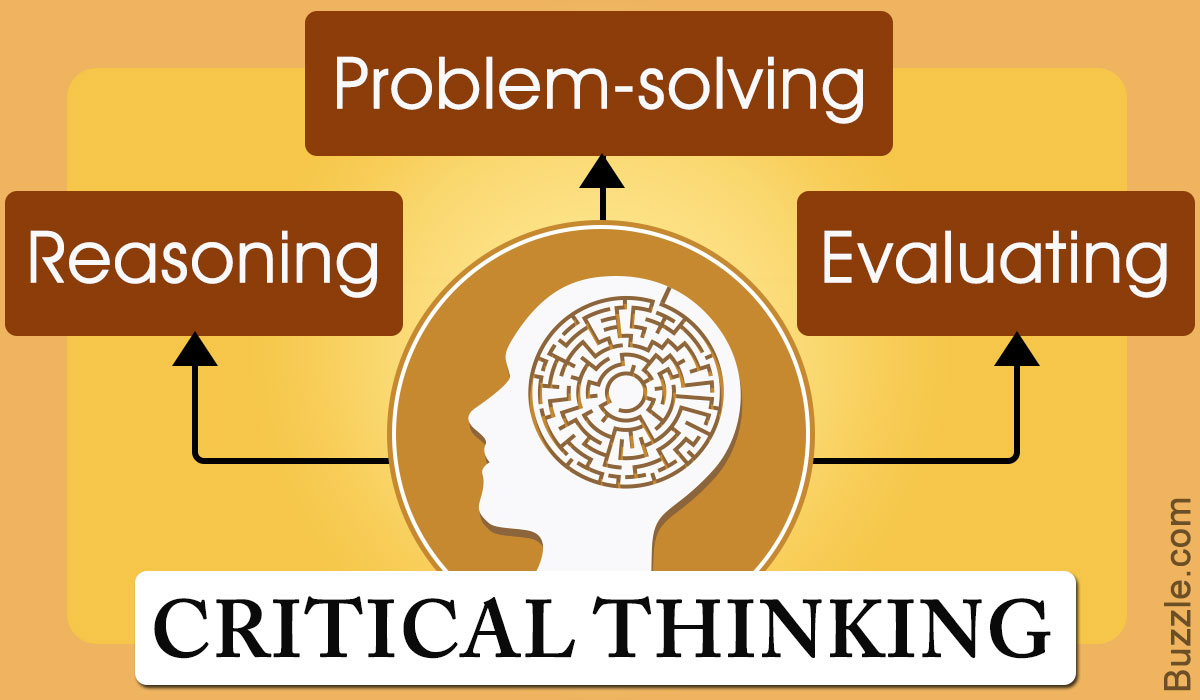
| Critical thinking is a crucial skill for navigating the complexities of the modern world. By cultivating critical thinking skills, individuals can make more informed decisions, solve problems effectively, and contribute to a more rational and intellectually engaged society. Start developing your critical thinking skills today to unlock your full potential. | ||
| 10 | ||