Why Shrimp Export Industry Requires High Working Capital Presentation
| Introduction | ||
|---|---|---|
| Shrimp export industry requires high working capital due to various factors. Working capital is the amount of funds required to run day-to-day operations. In the shrimp export industry, high working capital is essential for smooth functioning and success. | ||
| 1 | ||

| Seasonal Nature of Shrimp Harvesting | ||
|---|---|---|
| Shrimp harvesting is seasonal, resulting in irregular cash flows. High working capital is needed to cover expenses during non-harvesting periods. This ensures continuous operations and avoids disruptions in the supply chain. | ||
| 2 | ||

| Pre-harvest Expenses | ||
|---|---|---|
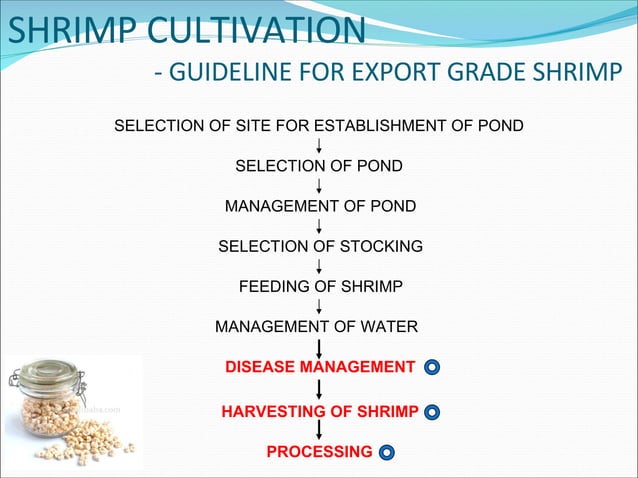
| Shrimp farming involves significant pre-harvest expenses. These include infrastructure development, pond preparation, and stocking of shrimp. High working capital is necessary to cover these upfront costs before the actual harvest. | ||
| 3 | ||

| Cost of Feed and Maintenance | ||
|---|---|---|
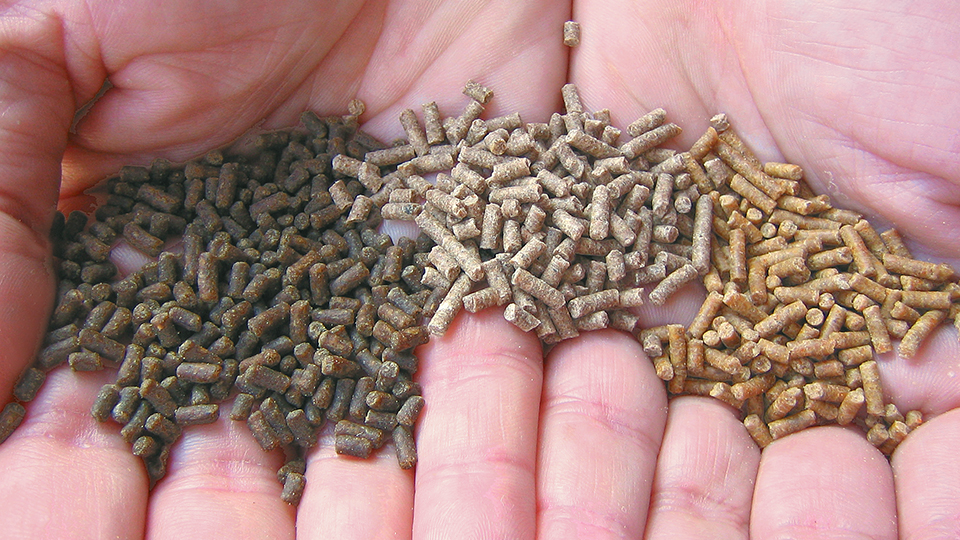
| Shrimp require specific feed and regular maintenance for optimal growth. These ongoing expenses require consistent working capital for uninterrupted supply. High working capital enables timely procurement of feed and maintenance services. | ||
| 4 | ||
| Labor and Overhead Costs | ||
|---|---|---|
| Shrimp farming requires skilled labor and overhead costs such as electricity and water. Adequate working capital ensures timely payment of wages and overhead expenses. High working capital helps maintain a motivated workforce and efficient operations. | ||
| 5 | ||

| Quality Control and Certification | ||
|---|---|---|
| Shrimp export industry demands strict quality control measures. Quality certifications require additional expenses. High working capital enables the implementation of quality control practices and certifications. | ||
| 6 | ||

| Storage and Transportation Costs | ||
|---|---|---|
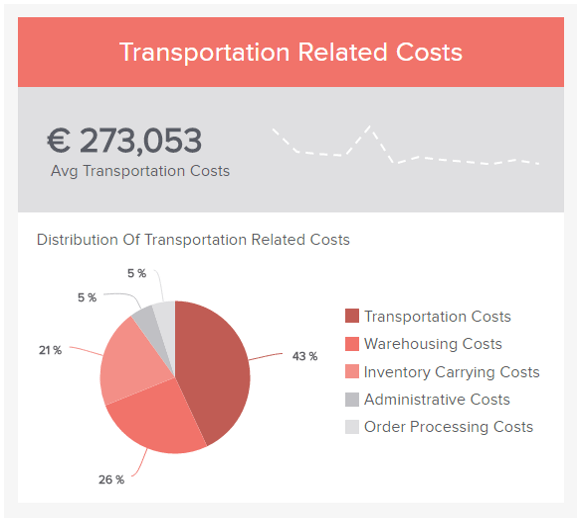
| Proper storage facilities and transportation are crucial for shrimp export. High working capital is needed to maintain storage facilities and ensure timely transportation. This enables the preservation of product quality and timely delivery to international markets. | ||
| 7 | ||
| Export Market Dynamics | ||
|---|---|---|
| Export markets can be unpredictable, leading to fluctuations in demand and prices. High working capital allows for flexibility in adapting to market changes. This helps in maintaining a competitive edge and meeting export demands promptly. | ||
| 8 | ||
:max_bytes(150000):strip_icc()/WORKINGCAPITALFINALJPEG-4ca1faa51a5b47098914e9e58d739958.jpg)
| Credit Terms and Payment Delays | ||
|---|---|---|
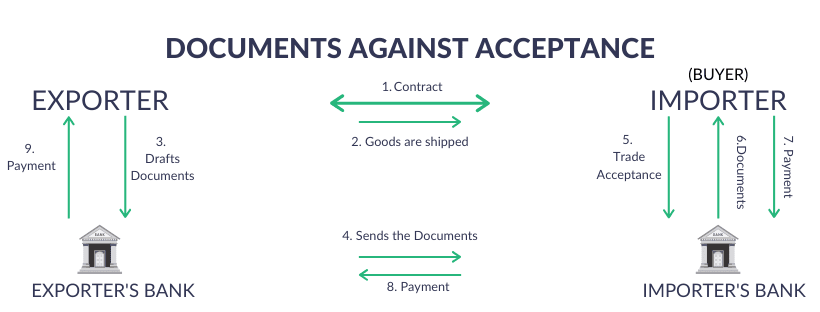
| Export transactions often involve extended credit terms and payment delays. High working capital enables the shrimp export industry to manage cash flow gaps. This ensures continuity of operations and avoids financial strain. | ||
| 9 | ||
| Conclusion | ||
|---|---|---|
| The shrimp export industry requires high working capital due to its unique characteristics and challenges. Adequate working capital ensures smooth operations, quality control, and meeting market demands. High working capital is vital for the success and sustainability of the shrimp export industry. | ||
| 10 | ||
| References (download PPTX file for details) | ||
|---|---|---|
| Food and Agriculture Organization of the Unit... Your second bullet... Your third bullet... |  | |
| 11 | ||