Umbilical Hernia Presentation
| Introduction to Umbilical Hernia | ||
|---|---|---|
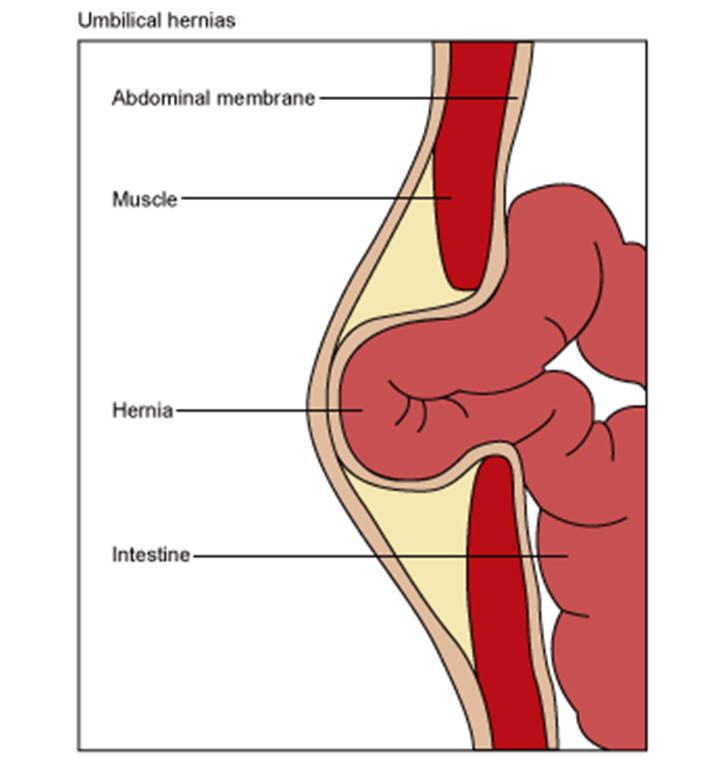
| Umbilical hernia is a common condition that occurs when part of the intestines protrudes through a weak spot in the abdominal muscles near the belly button. It is most commonly seen in infants and young children, but can also occur in adults, particularly those who are overweight or have had multiple pregnancies. While usually harmless and self-resolving in infants, adult umbilical hernias may require medical intervention if they cause discomfort or complications. |  | |
| 1 | ||
| Causes of Umbilical Hernia | ||
|---|---|---|
| Congenital weakness: In infants, umbilical hernias often occur due to a congenital weakness in the abdominal muscles, which fails to close properly after birth. Pregnancy and obesity: In adults, umbilical hernias can be caused by increased pressure on the abdominal muscles during pregnancy or due to obesity. Previous surgeries: In some cases, umbilical hernias can develop at the site of a previous surgical incision, particularly if it was not properly closed. | ||
| 2 | ||
| Symptoms of Umbilical Hernia | ||
|---|---|---|
| Visible bulge: The most common symptom of an umbilical hernia is a noticeable bulge or swelling near the belly button, which may be more pronounced when coughing or straining. Pain or discomfort: Some individuals may experience pain or discomfort at the site of the hernia, particularly if the herniated tissue becomes trapped or incarcerated. Nausea and vomiting: In rare cases, umbilical hernias can lead to a bowel obstruction, causing symptoms such as nausea, vomiting, and constipation. | | |
| 3 | ||
| Diagnosis of Umbilical Hernia | ||
|---|---|---|
| Physical examination: A doctor can often diagnose an umbilical hernia by conducting a physical examination and observing the visible bulge near the belly button. Imaging tests: In some cases, imaging tests such as ultrasound or CT scan may be ordered to confirm the diagnosis and evaluate the size and extent of the hernia. Differentiating from other conditions: The doctor may also need to rule out other conditions that can cause a similar bulge or abdominal discomfort, such as an epigastric hernia or a lipoma. | | |
| 4 | ||
| Treatment Options for Umbilical Hernia | ||
|---|---|---|
| Watchful waiting: In infants, umbilical hernias often resolve on their own by the age of 2 or 3, without any specific treatment. Supportive measures: In adults, umbilical hernias may be managed with supportive measures such as wearing a supportive abdominal belt or avoiding activities that increase intra-abdominal pressure. Surgical repair: If the hernia causes significant discomfort, grows larger, becomes incarcerated, or poses a risk of complications, surgical repair may be recommended. | | |
| 5 | ||
| Umbilical Hernia Surgery | ||
|---|---|---|
| Laparoscopic approach: Many umbilical hernia repairs can be performed using minimally invasive laparoscopic techniques, which involve making small incisions and using a camera and specialized instruments. Open surgery: In some cases, open surgery may be required, particularly if the hernia is large or complicated. Mesh placement: During surgery, a synthetic mesh may be used to reinforce the weakened abdominal muscles and prevent recurrence of the hernia. | ||
| 6 | ||

| Recovery and Complications | ||
|---|---|---|
| Recovery time: Most individuals undergoing umbilical hernia surgery can expect to resume normal activities within a few weeks, although recovery times may vary. Potential complications: While rare, complications of umbilical hernia surgery can include infection, bleeding, damage to surrounding structures, and recurrence of the hernia. Follow-up care: Regular follow-up visits with the surgeon are essential to monitor the healing process and address any concerns or complications that may arise. | | |
| 7 | ||
| Prevention of Umbilical Hernia | ||
|---|---|---|
| Maintaining a healthy weight: Obesity increases the risk of umbilical hernia, so maintaining a healthy weight through proper diet and regular exercise is important. Proper lifting techniques: Using proper lifting techniques, such as bending the knees and lifting with the legs, can help prevent excessive strain on the abdominal muscles. Addressing constipation: Avoiding constipation by consuming a fiber-rich diet, drinking plenty of water, and engaging in regular physical activity can help reduce the risk of developing an umbilical hernia. | | |
| 8 | ||
| When to Seek Medical Attention | ||
|---|---|---|
| Seek medical attention if the umbilical hernia becomes painful, tender, or swollen. If the hernia becomes incarcerated or strangulated, seek immediate medical attention, as this can be a medical emergency requiring prompt surgical intervention. It is important to consult a doctor for proper diagnosis and guidance, as self-diagnosis and self-treatment can lead to complications. | ||
| 9 | ||

| Conclusion | ||
|---|---|---|
| Umbilical hernia is a common condition characterized by a protrusion of part of the intestines through a weak spot in the abdominal muscles near the belly button. While most umbilical hernias in infants resolve on their own without treatment, adult hernias may require surgical repair. Awareness, early diagnosis, and appropriate medical intervention are key to managing umbilical hernias effectively and preventing complications. | ||
| 10 | ||
