The Role Of LED'S In Smart Lighting Applications Presentation
| Introduction | ||
|---|---|---|
| LED's play a crucial role in smart lighting applications. LED stands for Light Emitting Diode, a semiconductor device that emits light when an electric current is applied. LED's are used in various smart lighting applications due to their energy efficiency and long lifespan. | ||
| 1 | ||

| Energy Efficiency | ||
|---|---|---|
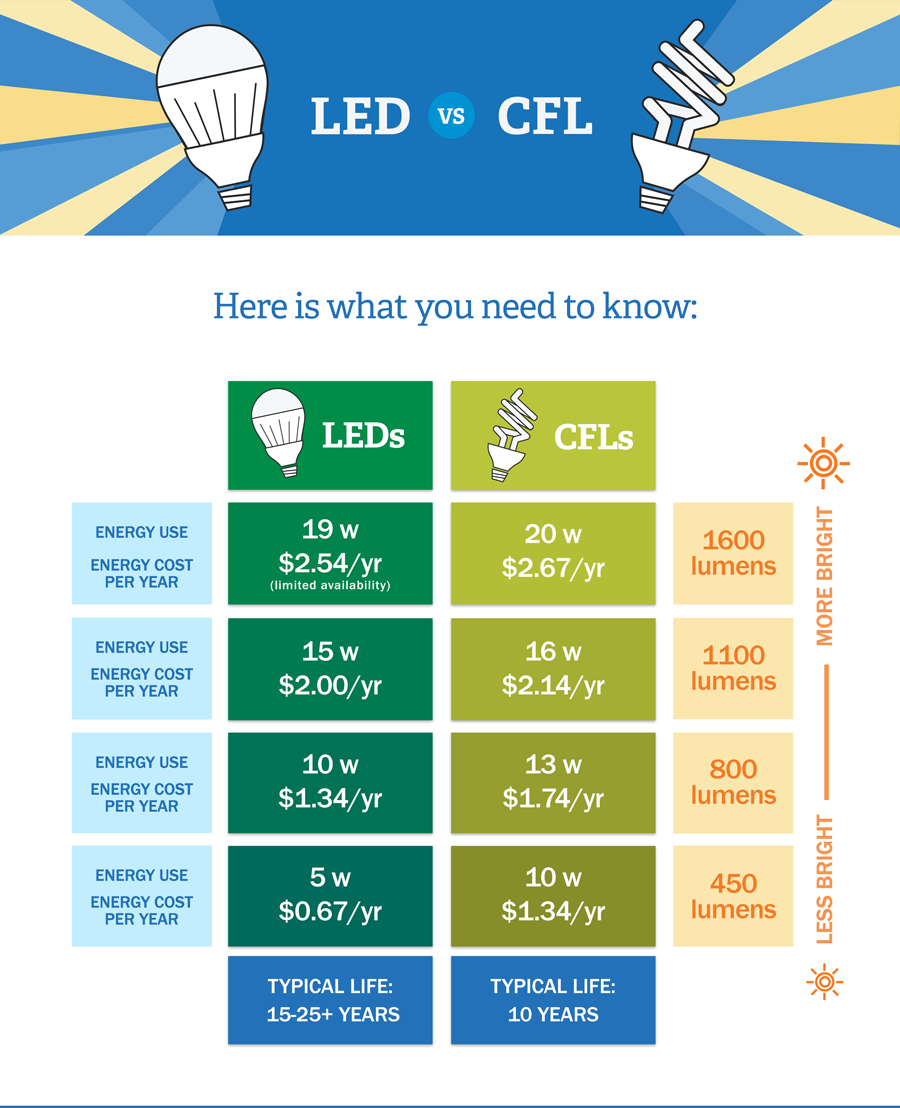
| LED's are highly energy-efficient, consuming much less power compared to traditional lighting technologies. LED's convert a higher percentage of electrical energy into light, minimizing energy waste. This energy efficiency makes LED's ideal for smart lighting applications, reducing electricity costs. | ||
| 2 | ||
| Long Lifespan | ||
|---|---|---|
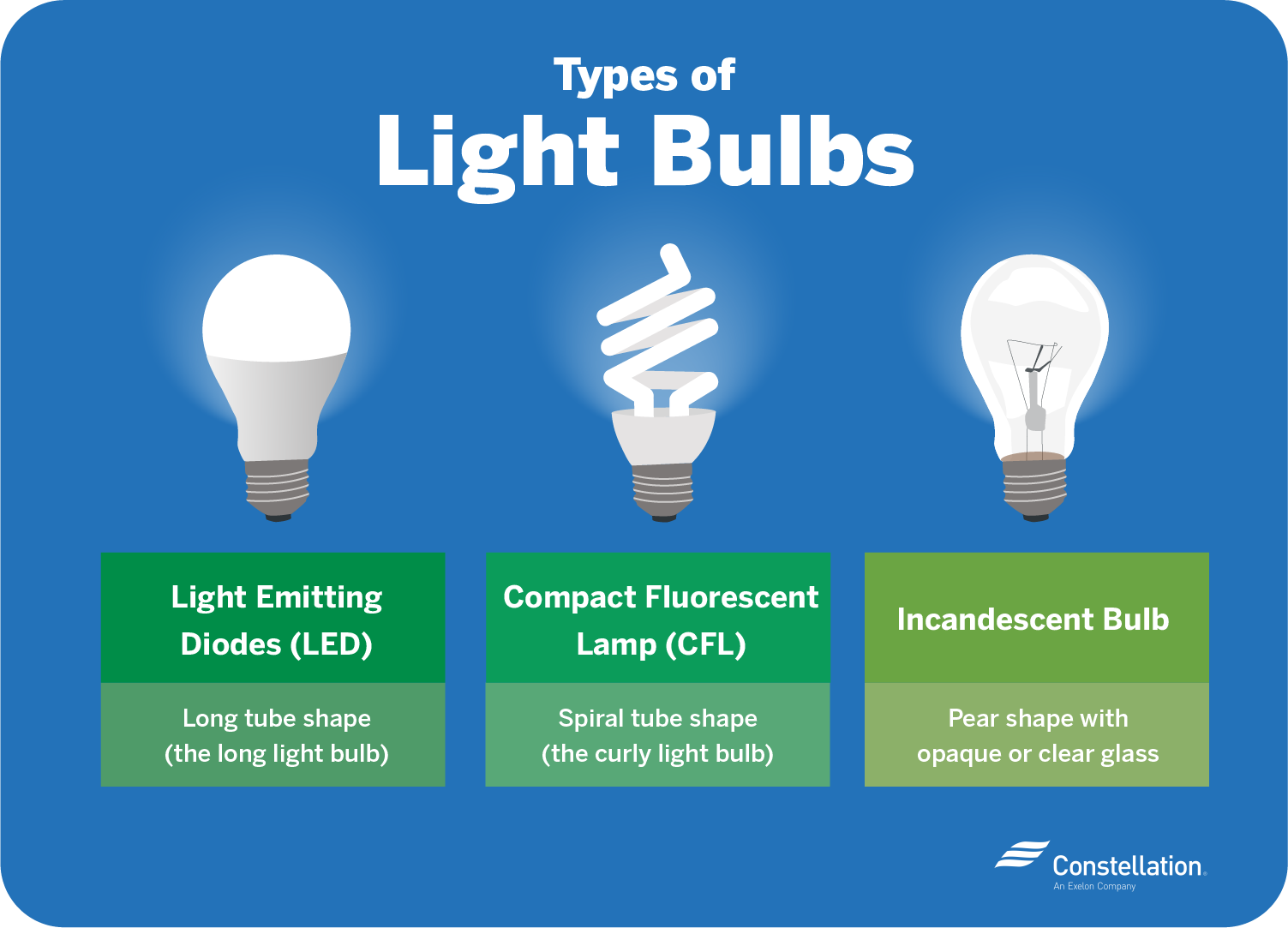
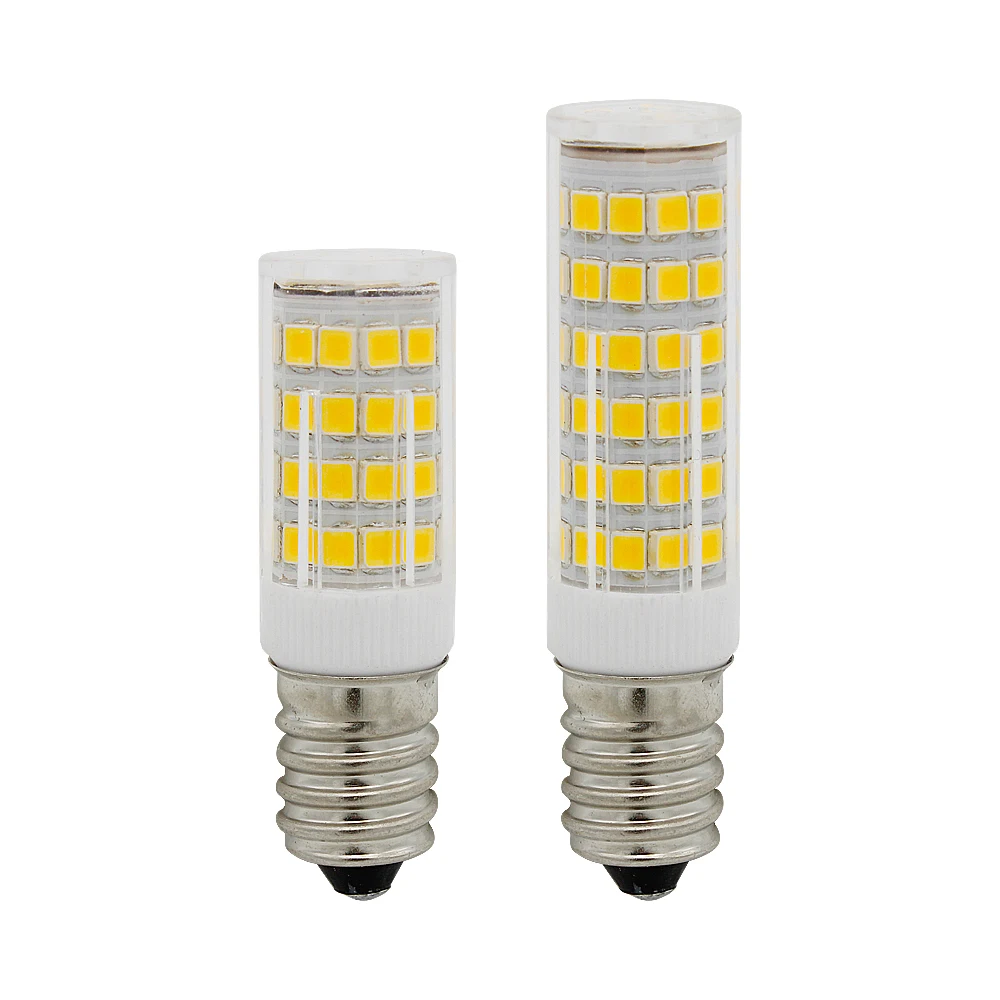
| LED's have a significantly longer lifespan compared to traditional lighting sources. LED's can last up to 50,000 hours or more, reducing maintenance and replacement frequency. This long lifespan makes LED's suitable for smart lighting applications in areas with difficult access or high ceilings. | ||
| 3 | ||
| Customizable Lighting | ||
|---|---|---|
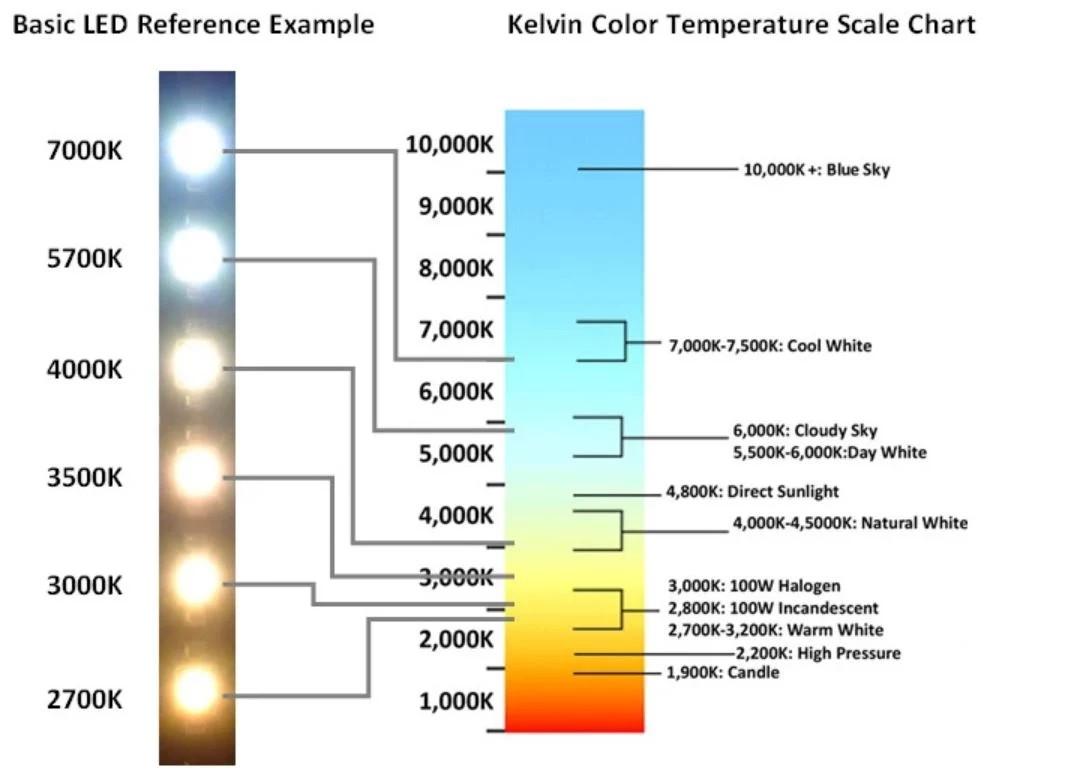
| LED's offer a wide range of color temperatures, allowing for customizable lighting solutions. LED's can be dimmed or brightened as needed, providing flexible lighting options. This customization capability of LED's enables smart lighting systems to create personalized and comfortable environments. | ||
| 4 | ||
| Instant On/Off | ||
|---|---|---|
| LED's have instant on/ off capabilities, providing immediate illumination without warm-up time. This feature is essential for smart lighting systems that require immediate responses or motion-sensing applications. LED's also do not degrade with frequent switching, ensuring consistent performance over time. | ||
| 5 | ||
| Smart Control Integration | ||
|---|---|---|
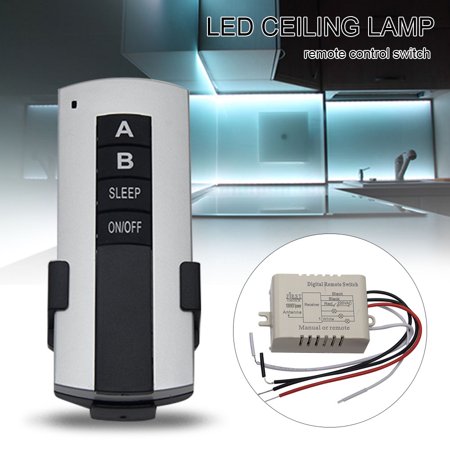
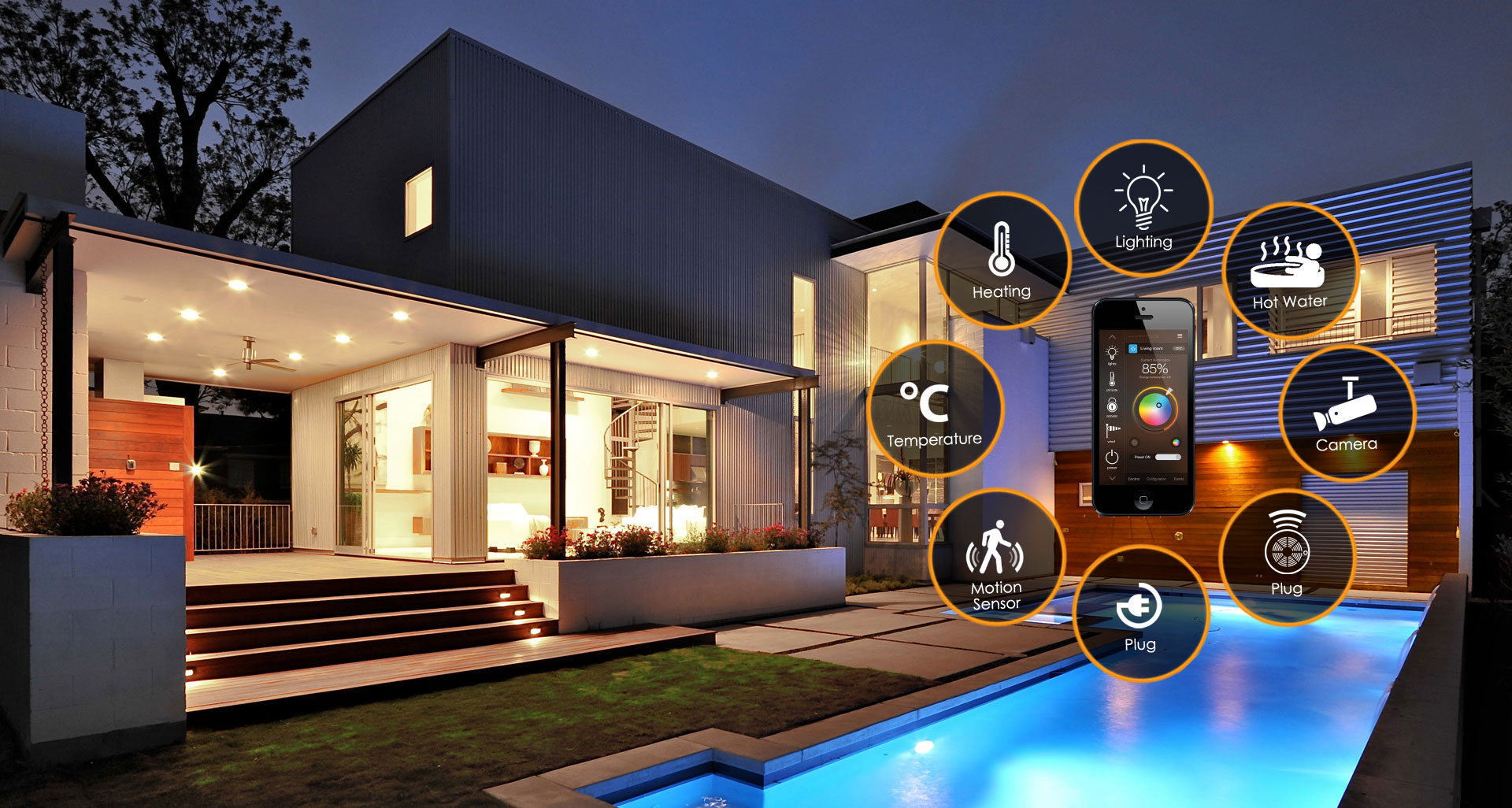
| LED's seamlessly integrate with smart control systems, allowing for remote control and automation. LED's can be wirelessly connected to smart home devices, enabling voice control and scheduling. This integration of LED's with smart control systems enhances energy efficiency and user convenience. | ||
| 6 | ||
| Environmental Benefits | ||
|---|---|---|
| LED's are eco-friendly lighting options, as they do not contain hazardous materials like mercury. LED's produce less heat, reducing the need for cooling systems and overall energy consumption. The long lifespan and energy efficiency of LED's contribute to a lower carbon footprint and reduced waste. | ||
| 7 | ||

| Improved Safety | ||
|---|---|---|
| LED's operate at low voltage, decreasing the risk of electrical accidents. LED's generate less heat, reducing the risk of fire hazards in enclosed spaces. LED's do not emit harmful UV or infrared radiation, ensuring safer lighting environments. | ||
| 8 | ||

| Cost Savings | ||
|---|---|---|
| LED's initial cost may be higher than traditional lighting sources, but their long-term cost savings outweigh the initial investment. LED's lower energy consumption leads to reduced electricity bills. The long lifespan of LED's reduces maintenance and replacement costs. | ||
| 9 | ||
| Conclusion | ||
|---|---|---|
| LED's are vital components in smart lighting applications due to their energy efficiency, long lifespan, and customizable features. LED's integration with smart control systems enhances convenience and energy savings. The environmental benefits, improved safety, and cost savings make LED's the preferred choice for smart lighting solutions. | ||
| 10 | ||
