Soil Stabilization Using Waste Plastic Presentation
| Introduction | ||
|---|---|---|
| Soil stabilization using waste plastic is an innovative technique. It involves incorporating waste plastic materials into the soil to improve its engineering properties. This method is gaining popularity as it offers an eco-friendly solution to waste management and soil improvement. | ||
| 1 | ||
| Benefits of Soil Stabilization using Waste Plastic | ||
|---|---|---|
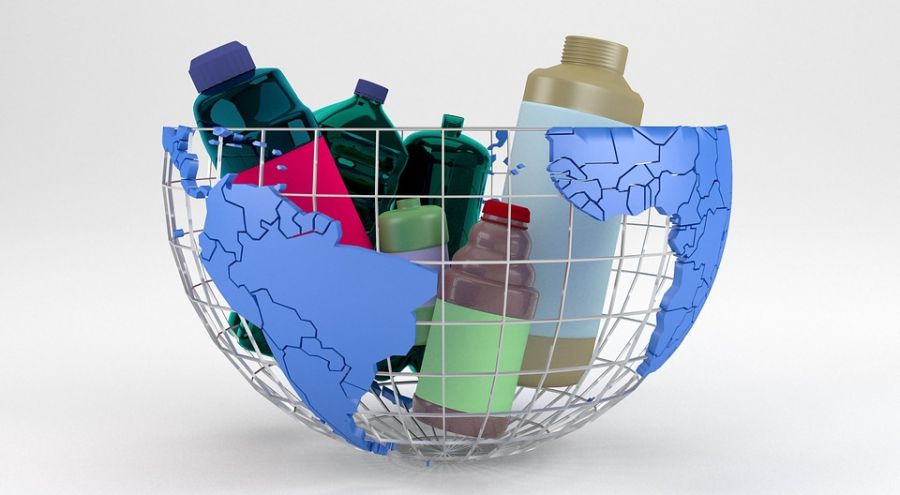
| Enhances soil strength and stability, reducing the need for traditional stabilizers like cement. Reduces soil erosion and improves water holding capacity, preventing soil degradation. Utilizes non-biodegradable waste plastic, reducing environmental pollution and landfill space. | ||
| 2 | ||

| Types of Waste Plastic used for Soil Stabilization | ||
|---|---|---|
| Polyethylene (PE) and polypropylene (PP) are commonly used due to their high durability and strength. Plastic bags, bottles, and other single-use plastic items can be shredded or melted for stabilization. Plastic waste should be cleaned and processed to remove impurities before use. | ||
| 3 | ||
| Methods of Soil Stabilization using Waste Plastic | ||
|---|---|---|
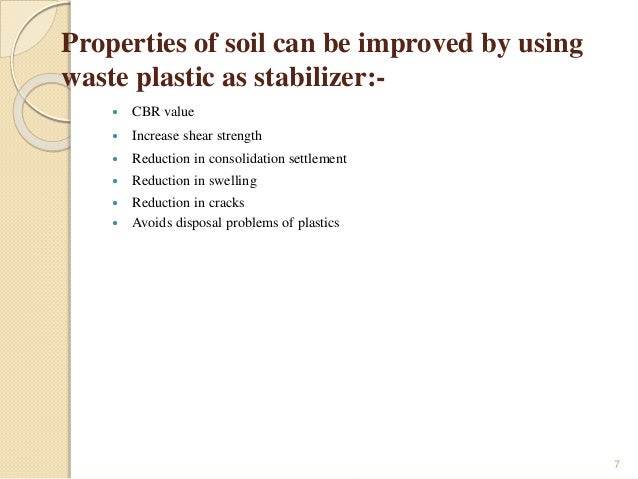
| The plastic can be mixed with soil during compaction or added as a surface layer. Shredded plastic can be mixed with soil to create a composite material. Melting plastic and mixing it with soil creates a plastic-coated soil mixture. | ||
| 4 | ||
| Effects of Plastic on Soil Properties | ||
|---|---|---|
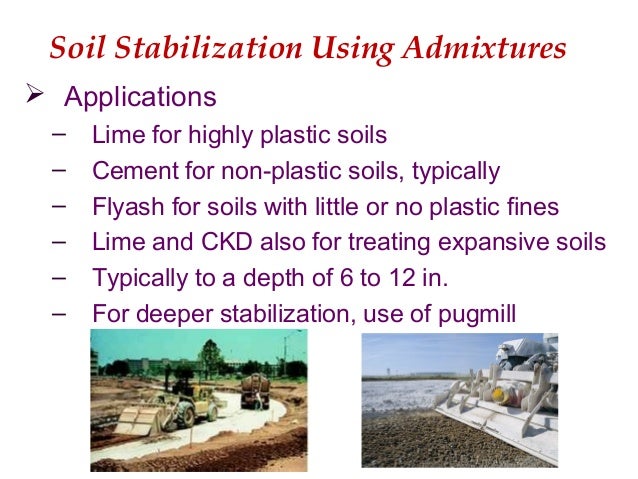
| Plastic improves soil plasticity, making it more workable and easier to compact. It reduces soil permeability, limiting water infiltration and increasing moisture retention. Plastic stabilizes soil by increasing its shear strength and resistance to deformation. | ||
| 5 | ||
| Applications of Soil Stabilization using Waste Plastic | ||
|---|---|---|
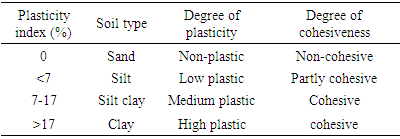
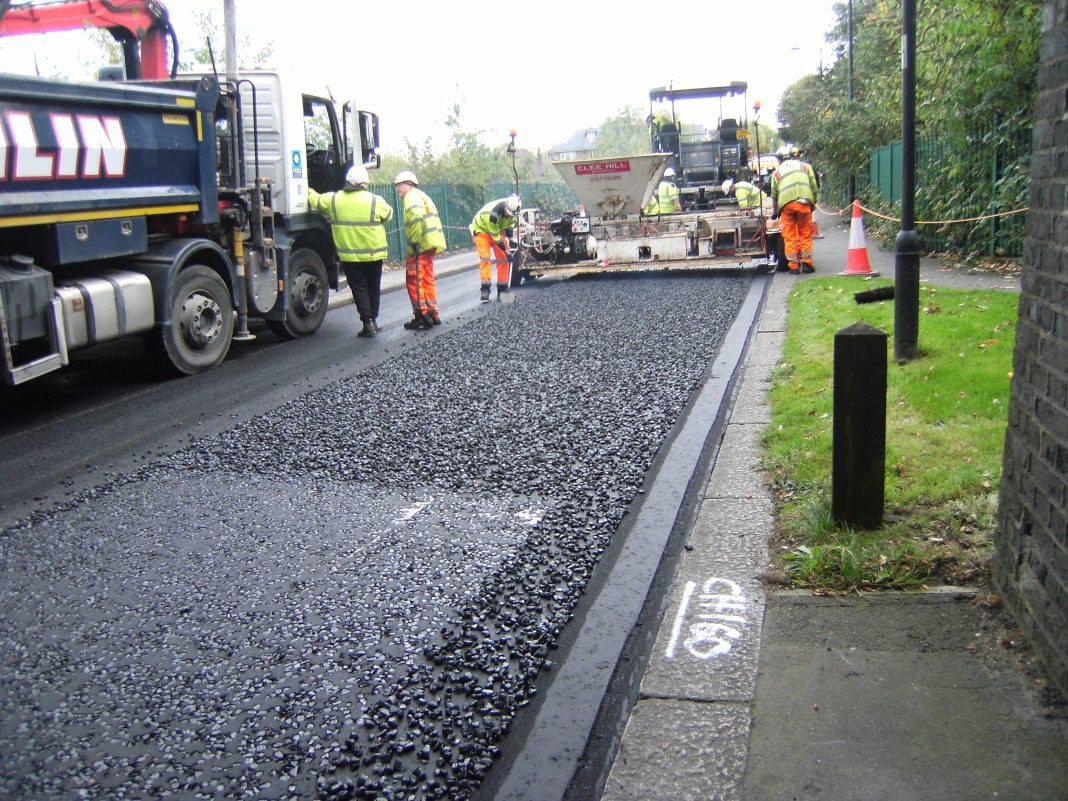
| Road construction and pavement stabilization benefit from plastic-infused soil. Landfill covers can be made using plastic-soil composites to reduce leachate and gas emissions. Erosion control on slopes and embankments can be achieved using plastic-coated soil. | ||
| 6 | ||

| Challenges and Limitations | ||
|---|---|---|
| Quality control of plastic waste is crucial to ensure uniform and consistent results. Long-term durability and performance of plastic-infused soil need further research. Economic viability and scalability of this technique need to be assessed. | ||
| 7 | ||

| Case Studies and Success Stories | ||
|---|---|---|
| India's "Plastic Roads" initiative has successfully used plastic waste in road construction. The Netherlands implemented plastic waste stabilization to improve embankment stability. Various research studies globally have shown promising results in soil stabilization using waste plastic. | ||
| 8 | ||
| Environmental Considerations | ||
|---|---|---|
| Soil stabilization using waste plastic reduces plastic pollution and landfill usage. It helps promote the circular economy by reusing plastic waste materials. The environmental impact of using plastic in soil stabilization needs to be further evaluated. | ||
| 9 | ||

| Conclusion | ||
|---|---|---|
| Soil stabilization using waste plastic is a cost-effective and sustainable solution. It improves soil engineering properties, reduces plastic waste, and protects the environment. Further research and implementation are needed to fully explore the potential of this technique. | ||
| 10 | ||
| References (download PPTX file for details) | ||
|---|---|---|
| Reference 1: Smith, J. (2020). Soil Stabiliza... Reference 2: Choudhury, D., & Das, S. (2019).... Reference 3: Vasudevan, R., & Tam, V. W. (201... |  | |
| 11 | ||