Social Service Presentation
| Introduction to Social Service | ||
|---|---|---|
| Social service refers to the organized efforts to help individuals, families, and communities in need. It aims to improve the well-being of individuals and promote social and economic justice. Social service includes a wide range of activities such as counseling, advocacy, and providing basic needs. | ||
| 1 | ||

| Importance of Social Service | ||
|---|---|---|
| Social service plays a crucial role in addressing societal issues and promoting equality. It helps vulnerable populations access essential resources and support systems. Social service contributes to the overall development and stability of communities. | ||
| 2 | ||

| Types of Social Service | ||
|---|---|---|
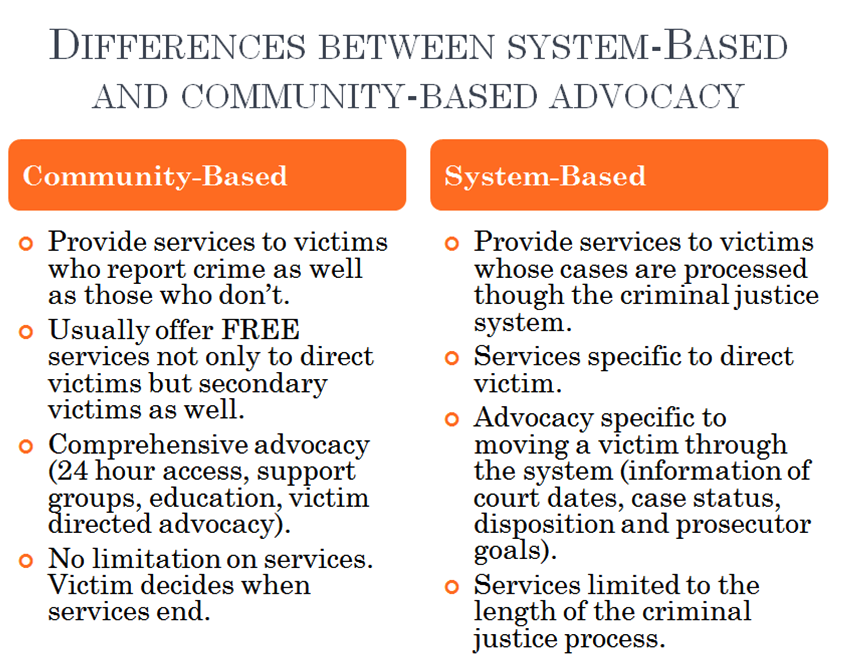
| Direct services: Providing immediate assistance and resources to individuals in need. Advocacy services: Acting as a voice for marginalized groups and advocating for social change. Community development services: Facilitating community engagement and promoting sustainable development. | ||
| 3 | ||
| Areas of Social Service | ||
|---|---|---|
| Health and wellness: Providing healthcare access, mental health support, and promoting healthy lifestyles. Education and youth services: Offering educational programs, mentoring, and supporting youth development. Housing and homelessness: Addressing housing needs and providing assistance to those experiencing homelessness. | ||
| 4 | ||

| Social Service Organizations | ||
|---|---|---|
| Non-profit organizations: These organizations rely on public and private funding to provide social services. Government agencies: Local, state, and federal agencies play a significant role in delivering social services. Community-based organizations: Grassroots organizations that focus on specific community needs and engage local residents. | ||
| 5 | ||

| Challenges in Social Service | ||
|---|---|---|
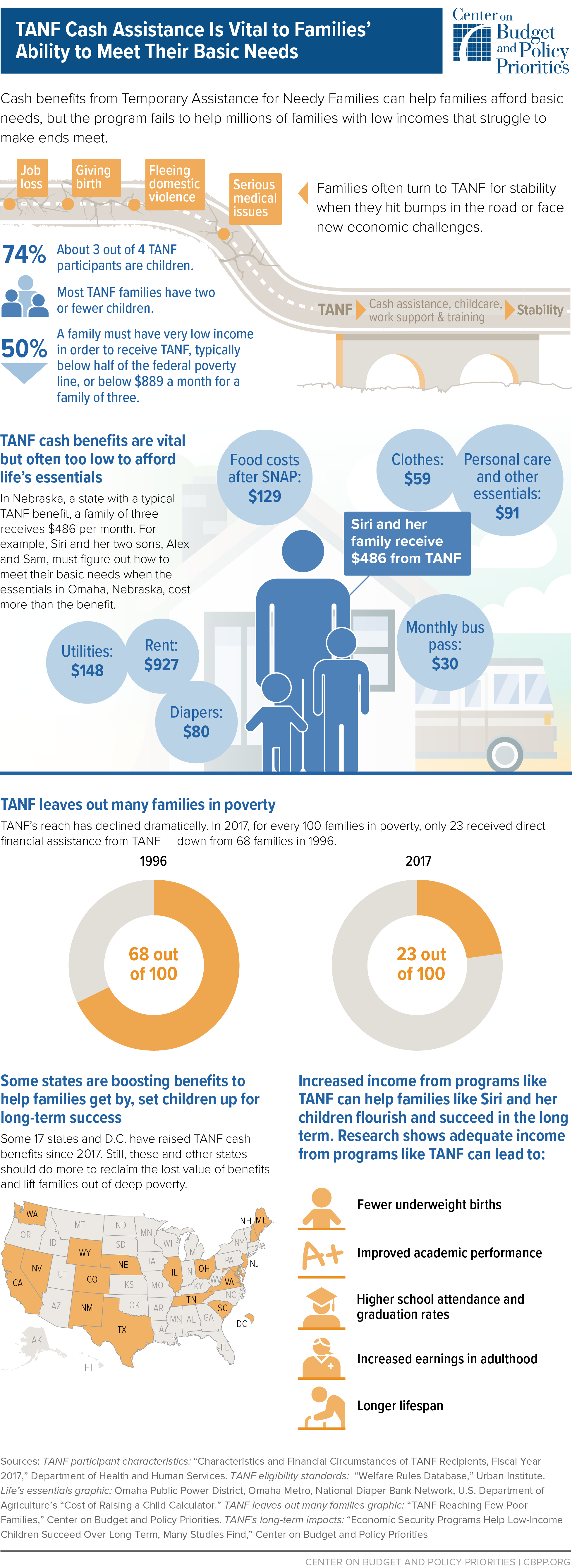
| Limited resources and funding: Social service organizations often face financial constraints. Growing demand: The need for social services may exceed the available resources. Complex social issues: Social service workers encounter multifaceted challenges that require a holistic approach. | ||
| 6 | ||

| Benefits of Social Service | ||
|---|---|---|
| Improved quality of life: Social service helps individuals meet their basic needs and access essential services. Empowerment: It enables individuals to overcome challenges and become self-sufficient. Stronger communities: Social service fosters community engagement and promotes social cohesion. | ||
| 7 | ||
| Future of Social Service | ||
|---|---|---|
| Technology integration: Utilizing technology to enhance service delivery and reach more individuals. Collaboration and partnerships: Strengthening collaborations between different sectors and organizations. Advocacy for policy changes: Influencing policy decisions to address systemic issues and enhance social service provision. | ||
| 8 | ||

| Conclusion | ||
|---|---|---|
| Social service is vital for creating a more equitable and inclusive society. It provides support, resources, and empowerment to individuals and communities in need. By investing in social service, we can work towards a brighter future for all. | ||
| 9 | ||

| References (download PPTX file for details) | ||
|---|---|---|
| NASW. (n.d.). What Is Social Work? Retrieved ... National Council of Nonprofits. (n.d.). What ... United Nations. (n.d.). Social Development. R... |  | |
| 10 | ||