Reproductive System Presentation
| Introduction to the Reproductive System | ||
|---|---|---|
| The reproductive system is essential for the production of offspring. It consists of specialized organs and structures that work together to enable reproduction. The main functions of the reproductive system include the production of gametes (eggs and sperm) and the development of embryos. | ||
| 1 | ||
| Male Reproductive System | ||
|---|---|---|
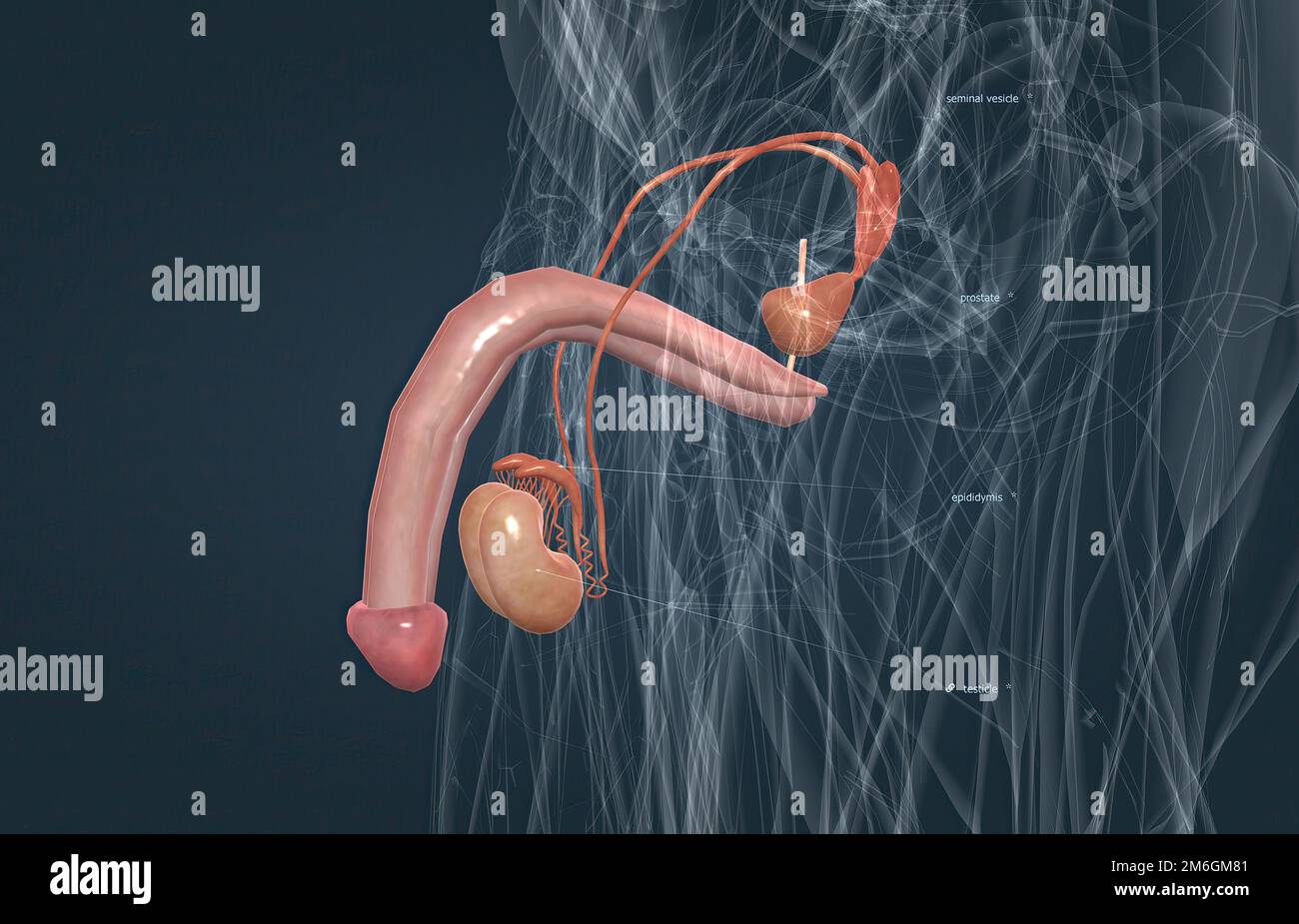
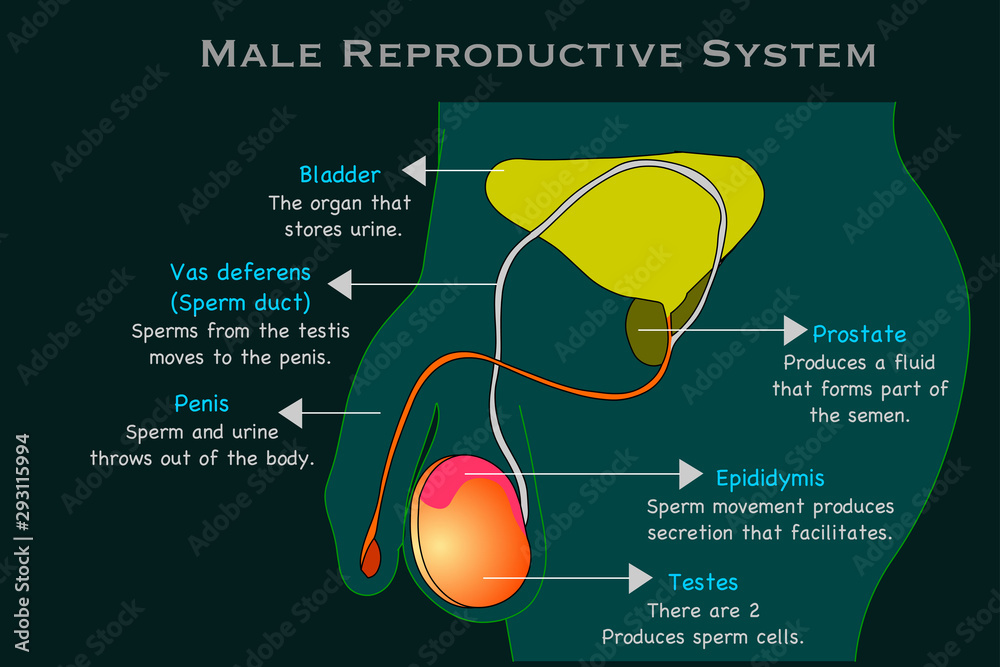
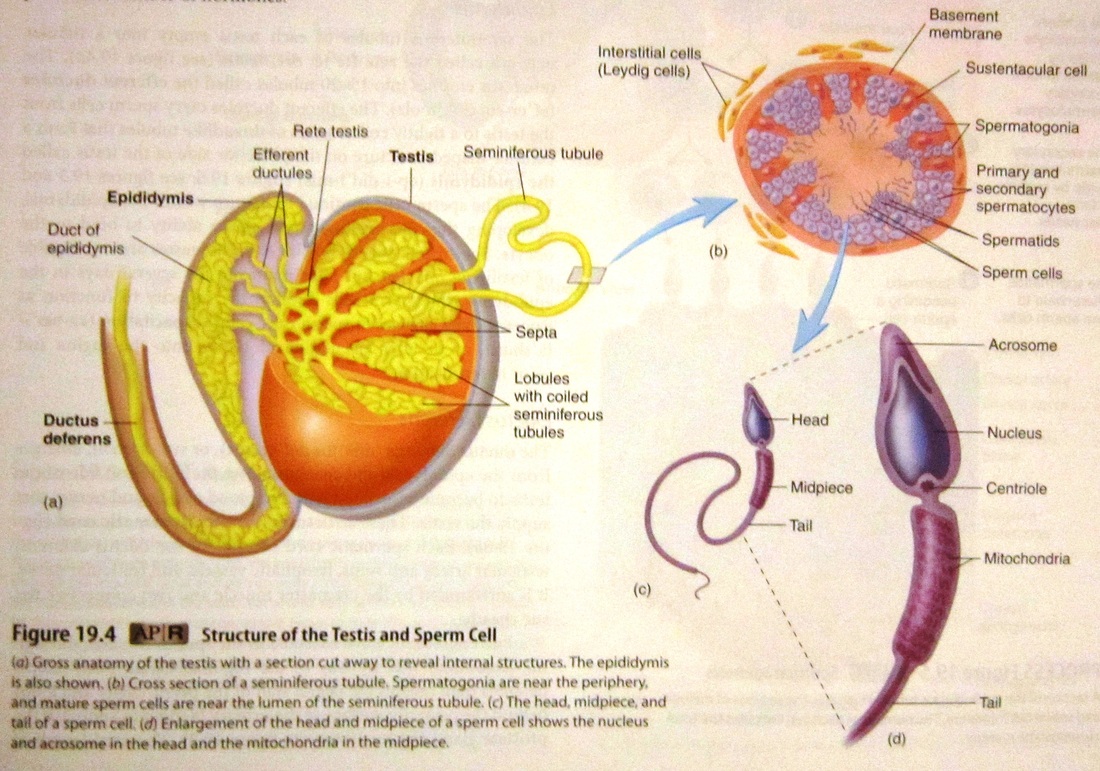
| The male reproductive system includes the testes, epididymis, vas deferens, prostate gland, seminal vesicles, and penis. The testes produce sperm and the hormone testosterone. Sperm are stored and matured in the epididymis before being transported through the vas deferens during ejaculation. | ||
| 2 | ||
| Female Reproductive System | ||
|---|---|---|
| The female reproductive system includes the ovaries, fallopian tubes, uterus, cervix, and vagina. The ovaries produce eggs and the hormones estrogen and progesterone. The fallopian tubes carry the egg from the ovary to the uterus, where fertilization can occur. | ||
| 3 | ||

| Menstrual Cycle | ||
|---|---|---|
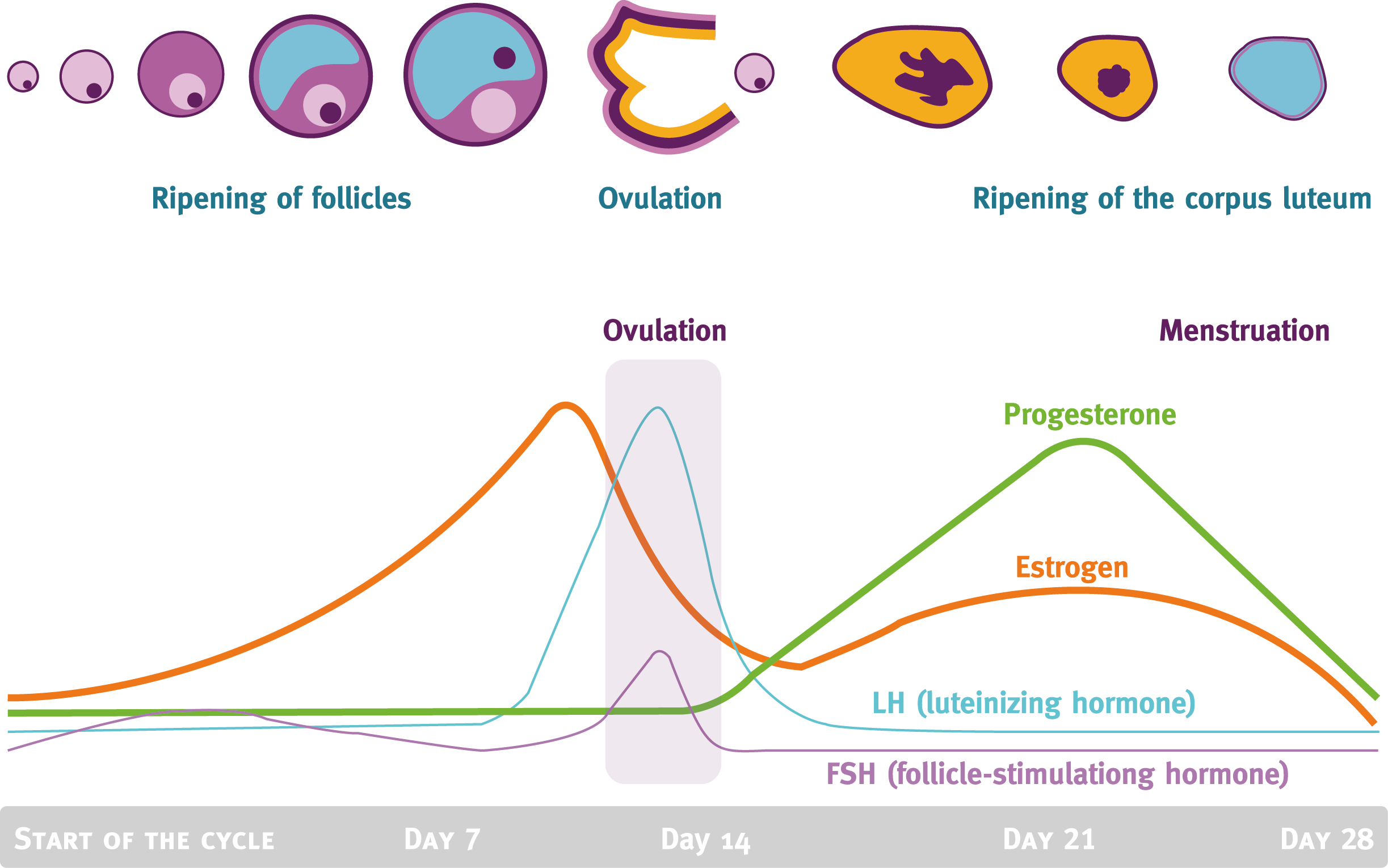
| The menstrual cycle is a monthly hormonal cycle in females. It involves the maturation and release of an egg from the ovary (ovulation). If fertilization does not occur, the lining of the uterus sheds, resulting in menstruation. | ||
| 4 | ||
| Fertilization and Pregnancy | ||
|---|---|---|
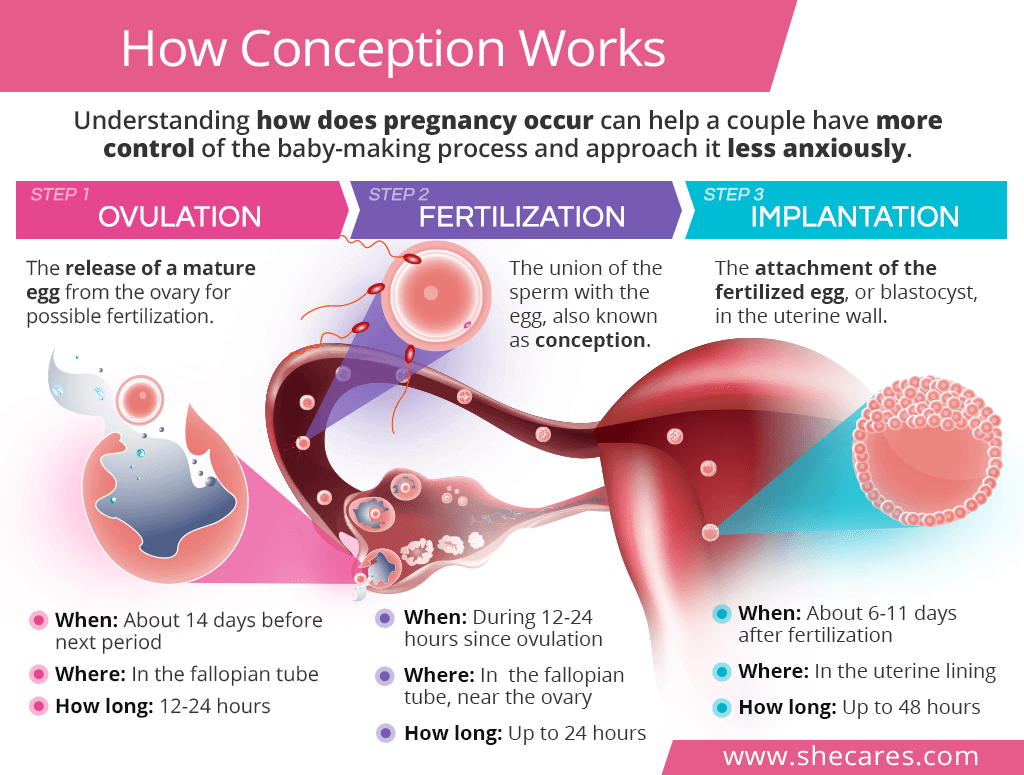
| Fertilization occurs when a sperm penetrates and fertilizes an egg in the fallopian tube. The fertilized egg implants itself in the uterus and develops into an embryo. Pregnancy lasts approximately 40 weeks and involves the growth and development of the fetus. | ||
| 5 | ||
| Common Reproductive Disorders in Males | ||
|---|---|---|
| Erectile dysfunction is the inability to achieve or maintain an erection. Prostate cancer is a common cancer in males and affects the prostate gland. Infertility can result from various factors such as low sperm count or blockages in the reproductive tract. | ||
| 6 | ||

| Common Reproductive Disorders in Females | ||
|---|---|---|
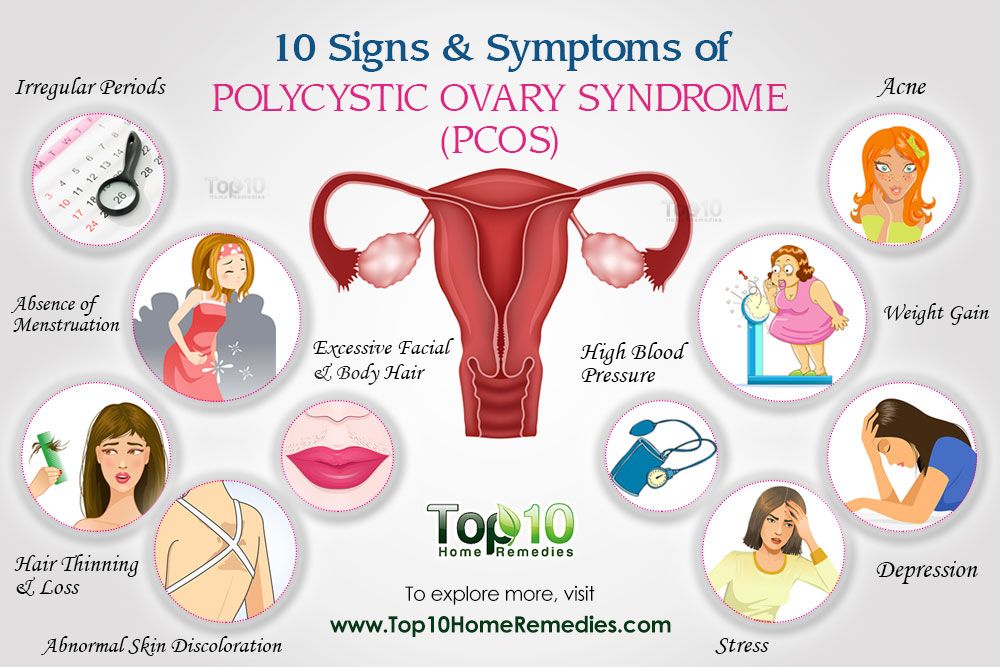
| Polycystic ovary syndrome (PCOS) is a hormonal disorder that affects ovulation. Endometriosis is a condition where the tissue lining the uterus grows outside of it. Premenstrual syndrome (PMS) refers to a combination of physical and emotional symptoms before menstruation. | ||
| 7 | ||
| Contraception and Family Planning | ||
|---|---|---|
| Contraception methods include hormonal methods (such as birth control pills), barrier methods (such as condoms), and intrauterine devices (IUDs). Family planning allows individuals to make informed decisions about when to have children and how many. Counseling and education about contraception and family planning are crucial for reproductive health. | ||
| 8 | ||

| Sexually Transmitted Infections (STIs) | ||
|---|---|---|
| STIs are infections transmitted through sexual contact. Common STIs include chlamydia, gonorrhea, syphilis, genital herpes, and human papillomavirus (HPV). Safe sex practices, such as using condoms and regular STI testing, can help prevent and manage STIs. | ||
| 9 | ||

| Summary and Key Points | ||
|---|---|---|
| The reproductive system is responsible for the production of gametes and the development of offspring. It consists of different organs and structures in males and females. Understanding reproductive health, contraception, and STIs is crucial for overall well-being. | ||
| 10 | ||
| References (download PPTX file for details) | ||
|---|---|---|
| American Pregnancy Association. (n.d.). Repro... Mayo Clinic. (2020, December 12). Female repr... NHS. (2018, October 11). Male reproductive sy... |  | |
| 11 | ||