RBI Issues New Prudential Regulation For All Financial Institutions Presentation
| Introduction | ||
|---|---|---|
| The Reserve Bank of India (RBI) has recently issued new prudential regulations for all financial institutions. These regulations aim to strengthen the stability and resilience of the financial sector. The regulations will apply to banks, non-banking financial companies (NBFCs), and other financial institutions. | ||
| 1 | ||
| Key Objectives of the Regulations | ||
|---|---|---|
| Enhancing risk management practices to prevent financial crises. Ensuring adequate capital and liquidity buffers to withstand economic shocks. Improving transparency and disclosure requirements for better investor confidence. | ||
| 2 | ||

| Capital Adequacy Requirements | ||
|---|---|---|
| Financial institutions will need to maintain a minimum capital adequacy ratio (CAR). The CAR is calculated as a percentage of a financial institution's risk-weighted assets. Higher CAR requirements will promote financial stability and safeguard against potential losses. | ||
| 3 | ||

| Liquidity Management Guidelines | ||
|---|---|---|
| Financial institutions must maintain sufficient liquidity to meet short-term obligations. The regulations stipulate the creation of liquidity risk management frameworks. Stress testing and contingency planning will be required to ensure liquidity in times of crisis. | ||
| 4 | ||

| Risk Management Framework | ||
|---|---|---|
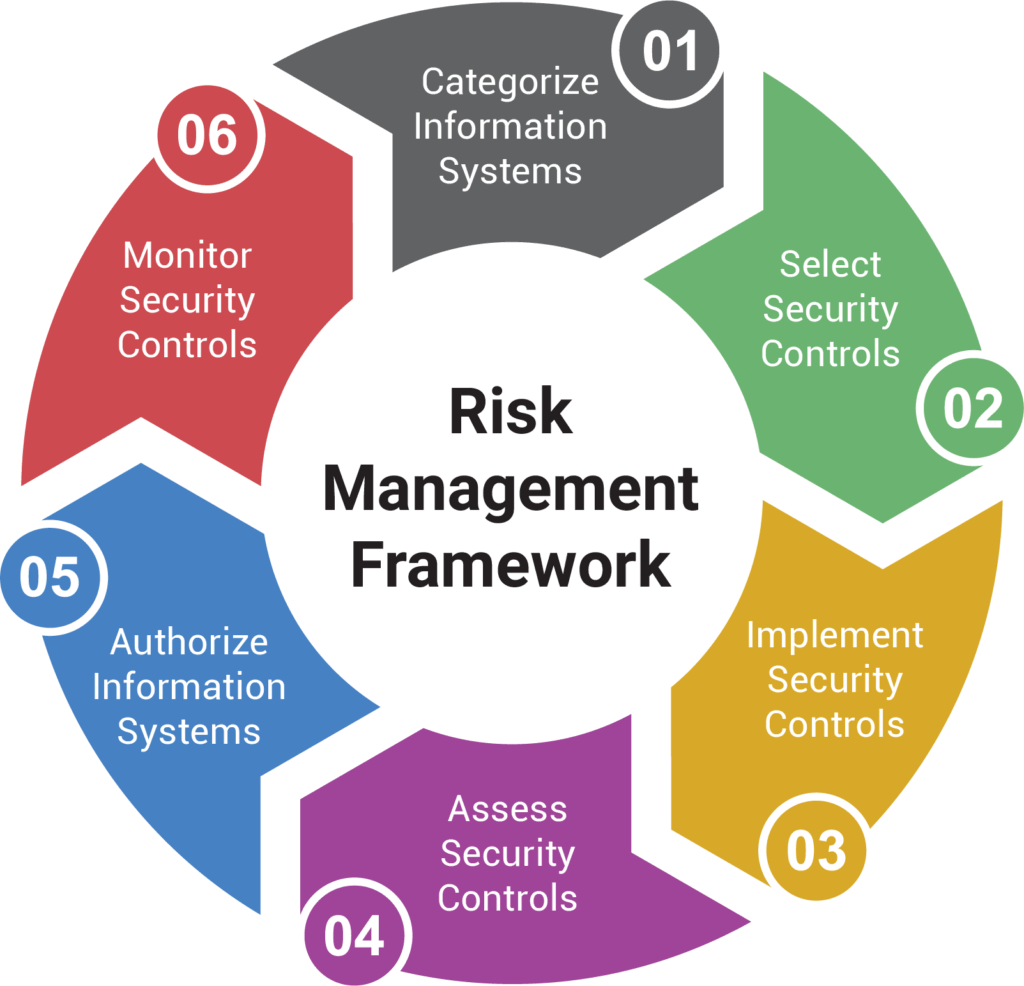
| Financial institutions need to establish robust risk management systems. The regulations emphasize the adoption of prudent credit risk assessment and management practices. Regular monitoring, stress testing, and reporting of risks will be mandatory. | ||
| 5 | ||
| Corporate Governance and Board Oversight | ||
|---|---|---|
| Strong corporate governance practices will be crucial to ensure accountability and transparency. The regulations require financial institutions to have independent and diverse boards of directors. Boards will be responsible for overseeing risk management, compliance, and strategic decision-making. | ||
| 6 | ||

| Disclosure and Reporting Requirements | ||
|---|---|---|
| Financial institutions will have to enhance the quality and frequency of disclosures. Regular reporting of financial and non-financial information to the RBI will be mandatory. Increased transparency will enable stakeholders to make informed decisions. | ||
| 7 | ||
| Implementation Timeline | ||
|---|---|---|
| Financial institutions will be given a grace period to comply with the new regulations. The RBI will conduct regular assessments and inspections to ensure compliance. Non-compliance may result in penalties or other regulatory actions. | ||
| 8 | ||

| Benefits of the New Regulations | ||
|---|---|---|
| Strengthening the stability of the financial sector and reducing systemic risks. Enhancing investor confidence and attracting foreign investments. Promoting a culture of responsible risk-taking and good governance. | ||
| 9 | ||

| Conclusion | ||
|---|---|---|
| The RBI's new prudential regulations aim to create a more resilient and stable financial system. Financial institutions must adapt to the changing regulatory landscape to ensure compliance. Collaboration between regulators, financial institutions, and stakeholders is essential for the successful implementation of the regulations. | ||
| 10 | ||