Production Of Wine Presentation
| Introduction | ||
|---|---|---|
| Wine production is the process of transforming grapes or other fruits into alcoholic beverages. It has a rich history dating back thousands of years, with various techniques and traditions. The production of wine involves several key stages, from grape cultivation to fermentation and aging. | ||
| 1 | ||

| Grape Cultivation | ||
|---|---|---|
| Grapes are the main ingredient in wine production. They require specific climate and soil conditions for optimal growth. Factors such as grape variety, pruning, and pest control influence grape quality. | ||
| 2 | ||

| Harvesting | ||
|---|---|---|
| The timing of grape harvest is critical for wine quality. Grapes are handpicked or machine-harvested based on the vineyard size and grape type. Harvesting decisions are based on sugar levels, acidity, and grape ripeness. | ||
| 3 | ||

| Crushing and Pressing | ||
|---|---|---|
| After harvest, grapes are crushed to release their juice. Crushing can be done manually or mechanically. Pressing follows, which separates the juice from the grape solids. | ||
| 4 | ||

| Fermentation | ||
|---|---|---|
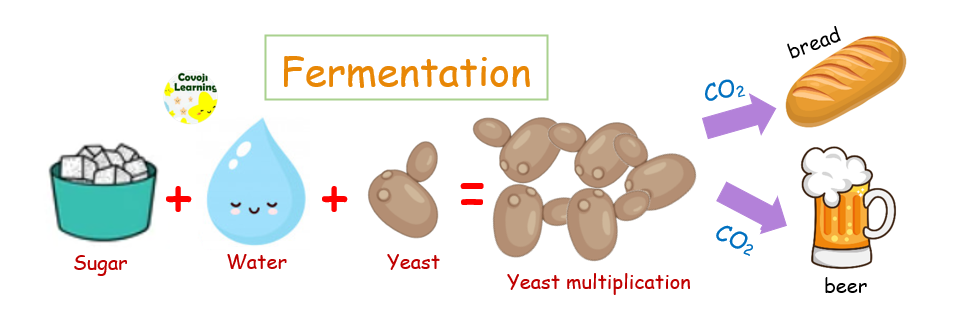
| Fermentation is the process in which yeast consumes sugar and converts it into alcohol. Yeast is added to the grape juice, and fermentation occurs in stainless steel tanks or oak barrels. Controlled fermentation temperature and duration impact the final wine's flavors and aromas. | ||
| 5 | ||
| Aging and Maturation | ||
|---|---|---|
| After fermentation, wine is aged to develop its flavors and characteristics. Aging can take place in oak barrels or stainless steel tanks. Red wines generally benefit from longer aging periods compared to white wines. | ||
| 6 | ||

| Clarification and Filtration | ||
|---|---|---|
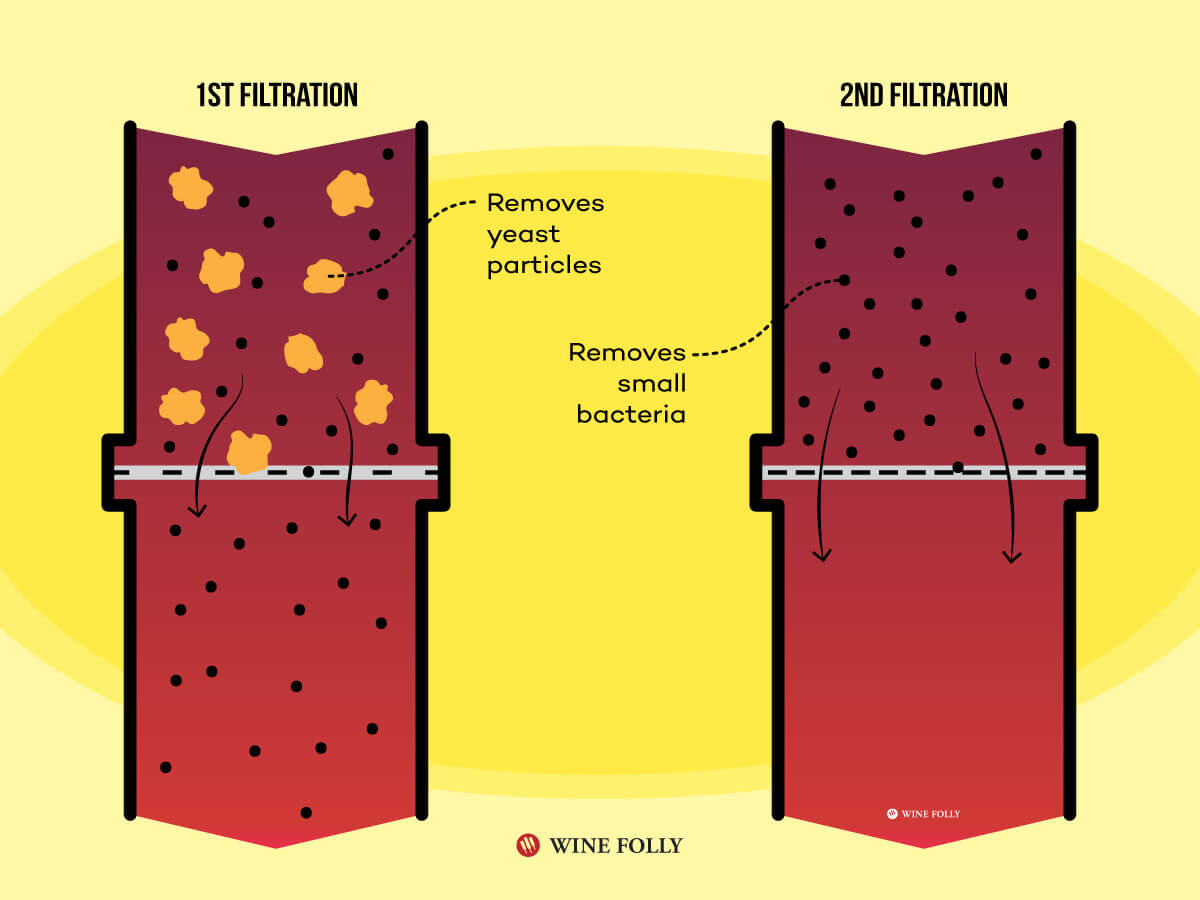
| Wine is clarified to remove any remaining solids or impurities. Various methods such as fining, filtration, and racking are used. Clarification enhances the wine's appearance and stability. | ||
| 7 | ||
| Bottling and Packaging | ||
|---|---|---|
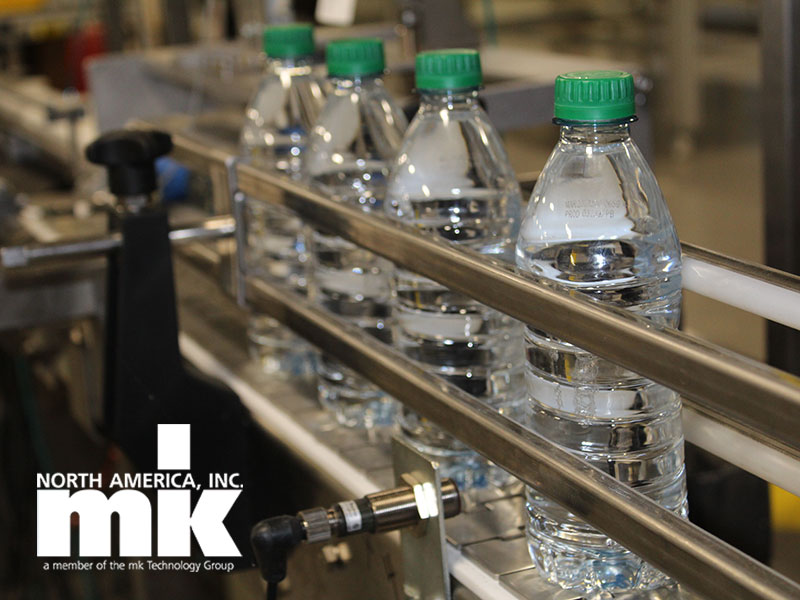
| Once the wine has reached its desired flavor and maturity, it is ready for bottling. Bottling involves filling, corking, and labeling the wine bottles. Packaging can include the use of boxes, cases, or specialized wine packaging materials. | ||
| 8 | ||
| Quality Control | ||
|---|---|---|
| Quality control ensures that the wine meets specific standards and regulations. It involves sensory evaluation, chemical analysis, and testing for any faults or defects. Quality control plays a crucial role in maintaining consistency and customer satisfaction. | ||
| 9 | ||

| Conclusion | ||
|---|---|---|
| Wine production is a complex and fascinating process that combines art and science. From grape cultivation to bottling, each stage contributes to the final product's taste and quality. Understanding the production process enhances our appreciation for the world of wine. | ||
| 10 | ||

| References (download PPTX file for details) | ||
|---|---|---|
| Wine Folly. (2021). Wine Production: From Gra... Wine Spectator. (n.d.). The Winemaking Proces... Your third bullet... |  | |
| 11 | ||