Preparation And Evaluation Of Herbal Hand Wash Presentation
| Introduction | ||
|---|---|---|
| Herbal hand wash: a natural alternative to chemical-based hand wash products. Benefits of herbal hand wash: gentle on the skin, antimicrobial properties, and natural fragrance. Importance of preparation and evaluation for ensuring quality and effectiveness. | ||
| 1 | ||
| Selection of Herbs | ||
|---|---|---|
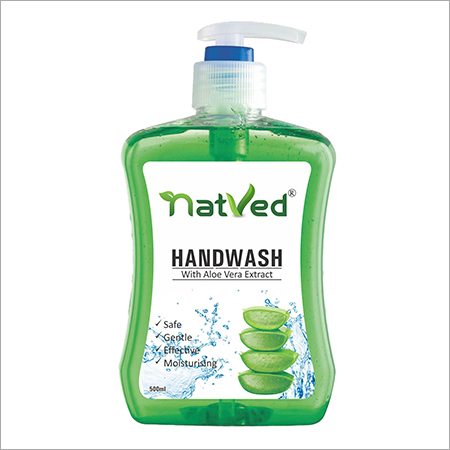
| Choose herbs with antimicrobial properties such as neem, tulsi, and lavender. Consider the skin type and specific needs of the user to determine suitable herbs. Research the properties and benefits of each selected herb before incorporating into the hand wash formula. | ||
| 2 | ||

| Preparation Process | ||
|---|---|---|
| Gather all necessary ingredients: herbs, water, liquid soap base, essential oils, and preservatives. Boil water and add the selected herbs. Let it simmer for 20 minutes to extract their properties. Strain the herb-infused water and mix it with the liquid soap base. | ||
| 3 | ||
| Quality Evaluation - Physical Assessment | ||
|---|---|---|
| Assess the appearance and color of the herbal hand wash. It should be clear and free from any particles or sediment. Check for consistency and texture. The hand wash should have a smooth and creamy texture. Observe the pH level to ensure it is within the safe range for the skin. | ||
| 4 | ||

| Quality Evaluation - Antimicrobial Efficacy | ||
|---|---|---|
| Perform a microbial challenge test to determine the effectiveness against bacteria and other microorganisms. Use standard testing methods to assess the antimicrobial properties of the herbal hand wash. Compare the results with industry standards to ensure it meets the desired efficacy levels. | ||
| 5 | ||

| Safety Evaluation - Skin Sensitivity Test | ||
|---|---|---|
| Conduct a patch test on a small area of the skin to check for any allergic reactions or irritation. Observe the skin for 24-48 hours and note any signs of redness, itching, or inflammation. If any adverse reactions occur, modify the formulation or consider using alternative herbs. | ||
| 6 | ||

| Safety Evaluation - Toxicity Assessment | ||
|---|---|---|
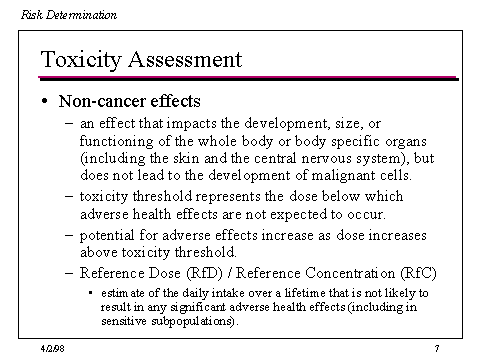
| Perform a toxicity test to ensure that the herbal hand wash does not contain harmful substances. Use standard testing methods and compare the results with safety guidelines. Evaluate the potential risks associated with long-term use and exposure to the hand wash. | ||
| 7 | ||
| Consumer Acceptance Evaluation | ||
|---|---|---|
| Conduct a survey or focus group to gather feedback from potential users. Assess factors such as fragrance, texture, effectiveness, and overall user experience. Modify the formulation based on consumer feedback to enhance its acceptability. | ||
| 8 | ||

| Marketing and Packaging | ||
|---|---|---|
| Design an attractive and informative label for the herbal hand wash. Highlight the natural ingredients and their benefits. Ensure compliance with regulatory requirements for product labeling and claims. | ||
| 9 | ||

| Conclusion | ||
|---|---|---|
| Preparation and evaluation of herbal hand wash is crucial for ensuring quality, effectiveness, and safety. Regular testing and assessment should be conducted to maintain product consistency. Herbal hand wash provides a natural and sustainable alternative to chemical-based products, benefiting both the user and the environment. | ||
| 10 | ||

| References (download PPTX file for details) | ||
|---|---|---|
| [Insert references here]... Your second bullet... Your third bullet... |  | |
| 11 | ||