Pollution Presentation
| Introduction to Pollution | ||
|---|---|---|
| Pollution is the presence of harmful substances in the environment. It can occur in various forms, such as air pollution, water pollution, and soil pollution. Pollution has adverse effects on human health, ecosystems, and the planet as a whole. | ||
| 1 | ||
| Causes of Air Pollution | ||
|---|---|---|
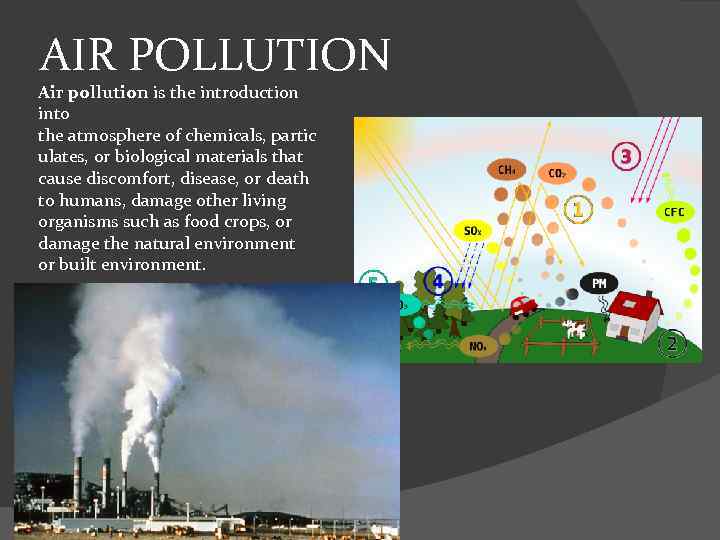
| The burning of fossil fuels, such as coal and oil, releases pollutants into the air. Industrial activities, including manufacturing and construction, contribute to air pollution. Vehicle emissions, especially from cars and trucks, are a major source of air pollution in urban areas. | ||
| 2 | ||

| Effects of Air Pollution | ||
|---|---|---|
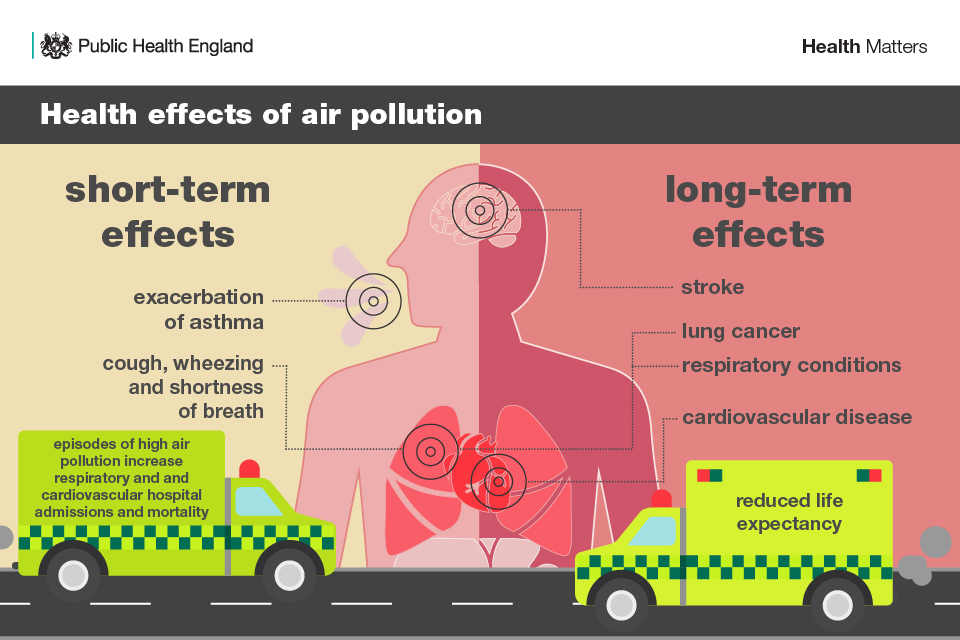
| Air pollution can lead to respiratory diseases, such as asthma and lung cancer. It can also cause cardiovascular problems and impair lung function. Air pollution can harm ecosystems by damaging plants, animals, and their habitats. | ||
| 3 | ||
| Sources of Water Pollution | ||
|---|---|---|
| Industrial waste, including chemicals and heavy metals, can contaminate water bodies. Agricultural practices, such as the use of pesticides and fertilizers, contribute to water pollution. Improper disposal of sewage and wastewater is a significant source of water pollution. | ||
| 4 | ||

| Effects of Water Pollution | ||
|---|---|---|
| Water pollution can contaminate drinking water sources, posing health risks to humans. It can lead to the death of aquatic plants and animals, disrupting the balance of ecosystems. Water pollution can also affect recreational activities, such as swimming and fishing. | ||
| 5 | ||

| Causes of Soil Pollution | ||
|---|---|---|
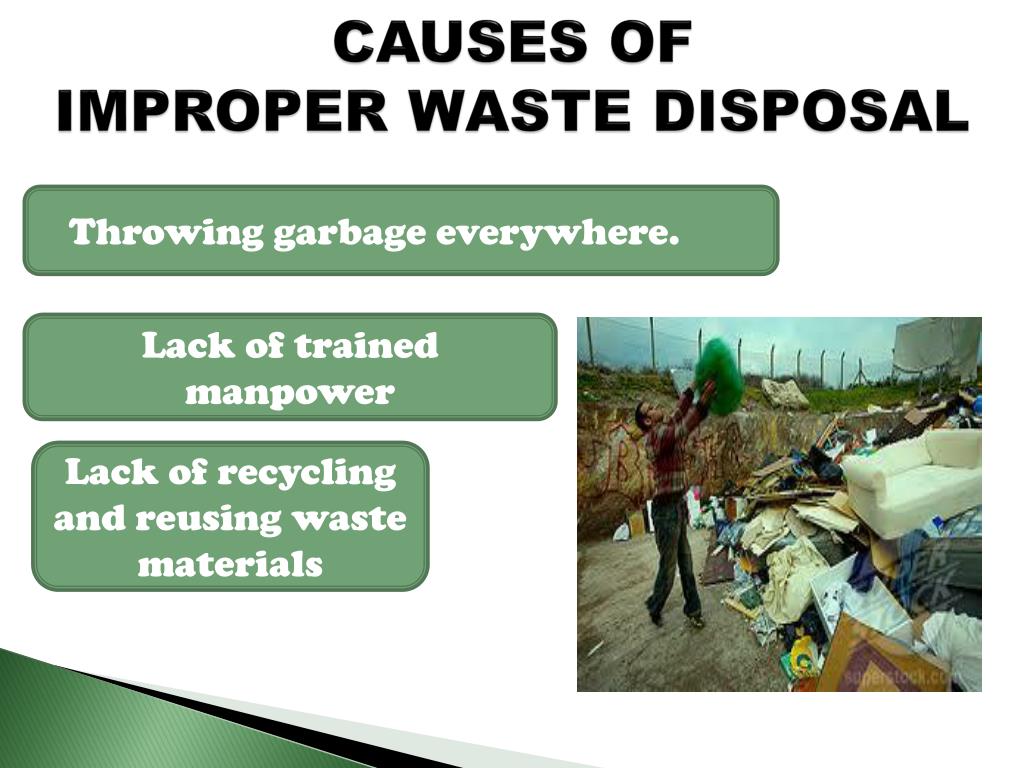
| Improper disposal of waste, including plastics and hazardous materials, contributes to soil pollution. Agricultural practices, such as the excessive use of fertilizers and pesticides, can contaminate soil. Industrial activities, such as mining and manufacturing, release pollutants into the soil. | ||
| 6 | ||
| Effects of Soil Pollution | ||
|---|---|---|
| Soil pollution can reduce crop yields and affect food quality. It can lead to the loss of biodiversity and disrupt soil ecosystems. Soil pollution can also contaminate groundwater, affecting drinking water sources. | ||
| 7 | ||

| Solutions to Pollution | ||
|---|---|---|
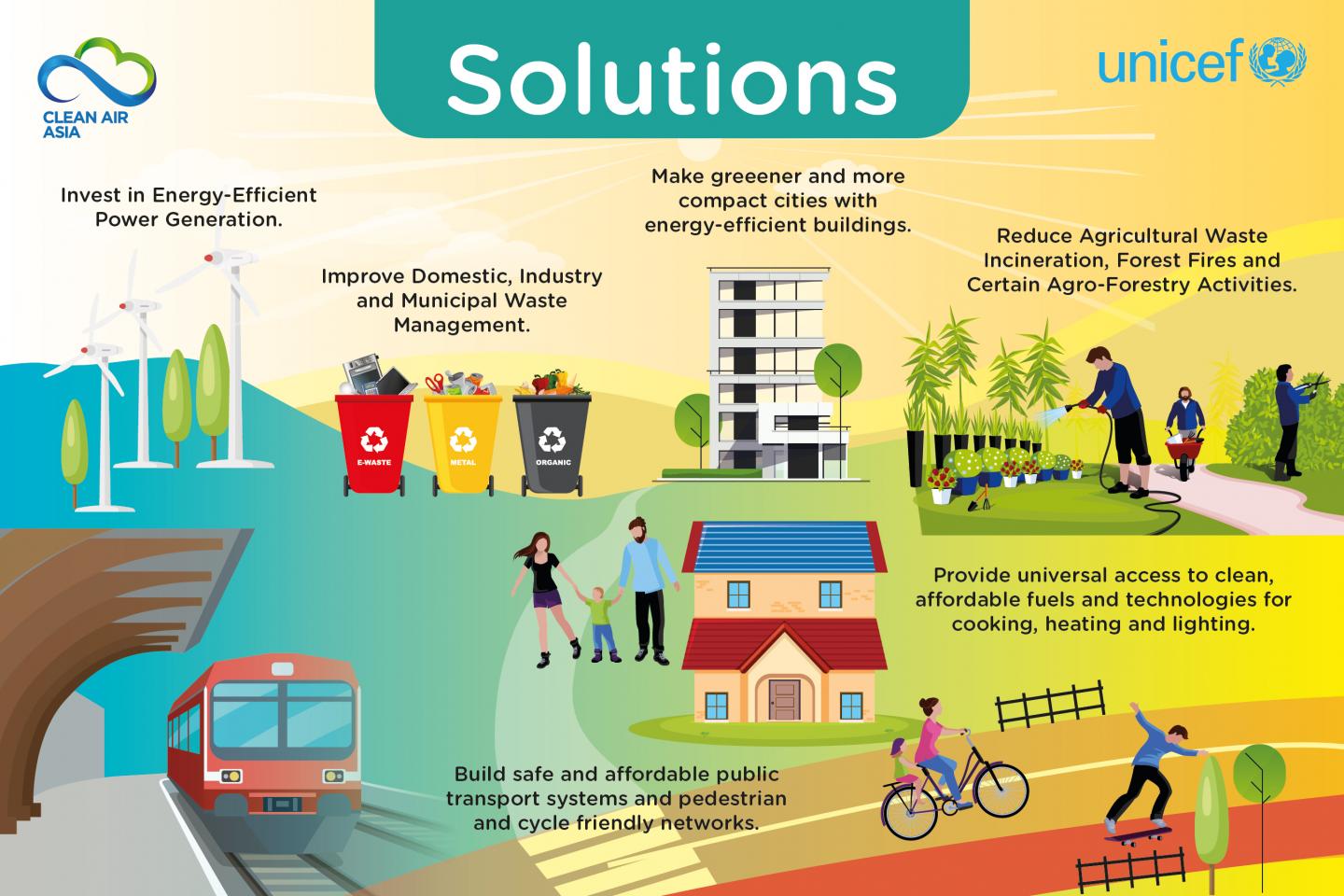
| Implementing stricter environmental regulations and policies can help reduce pollution. Promoting sustainable practices, such as renewable energy and organic farming, can mitigate pollution. Educating the public about the importance of pollution prevention and individual actions is crucial. | ||
| 8 | ||
| Individual Actions to Reduce Pollution | ||
|---|---|---|
| Reduce, reuse, and recycle to minimize waste generation. Conserve energy by using energy-efficient appliances and reducing unnecessary consumption. Use eco-friendly transportation options, such as walking, cycling, or carpooling. | ||
| 9 | ||

| Conclusion | ||
|---|---|---|
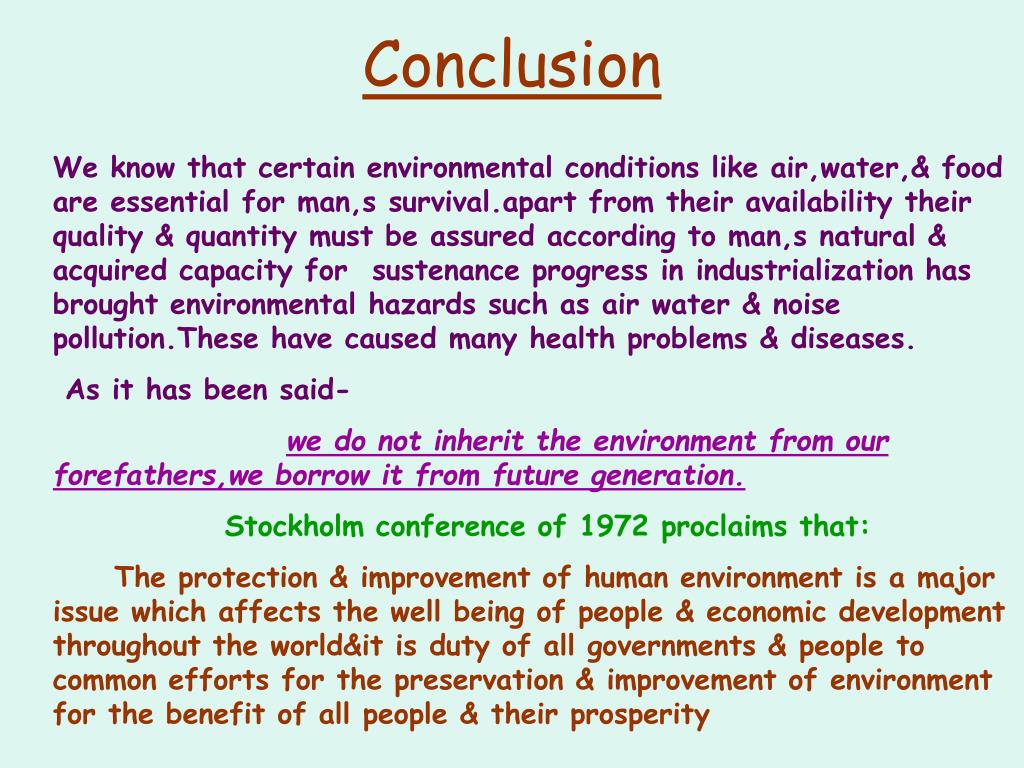
| Pollution is a global issue that requires collective efforts for effective solutions. By understanding the causes and effects of pollution, we can work towards a cleaner and healthier environment. Together, we can make a difference and protect our planet for future generations. | ||
| 10 | ||
| References (download PPTX file for details) | ||
|---|---|---|
| Environmental Protection Agency. (2021). Air ... World Health Organization. (2021). Water Poll... United Nations Environment Programme. (2021).... |  | |
| 11 | ||