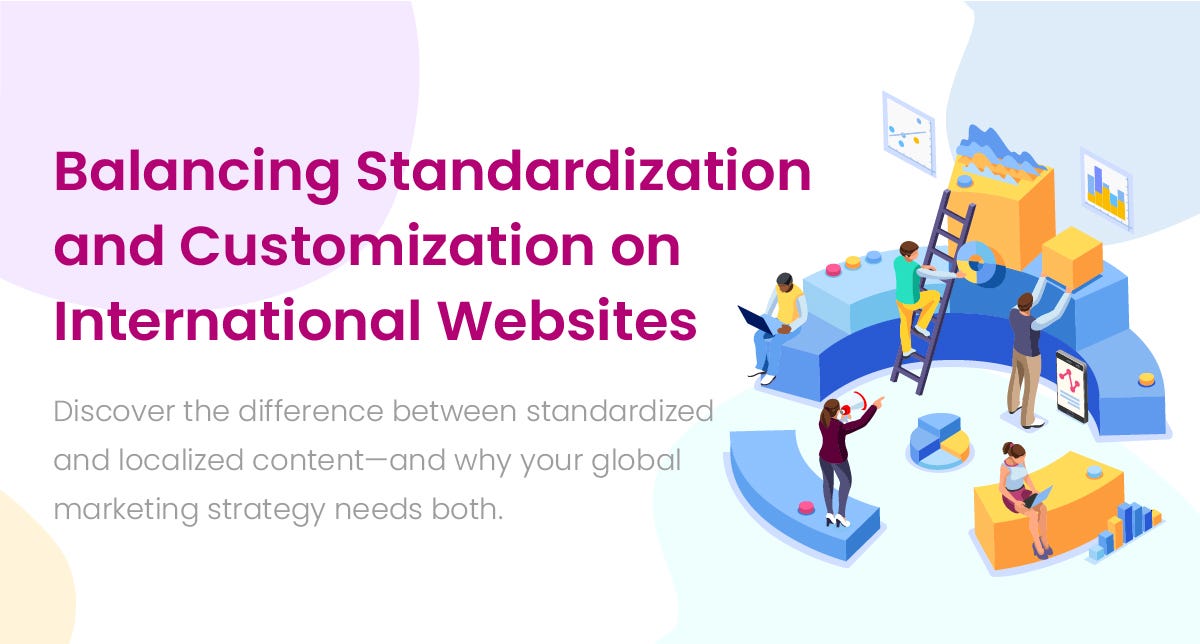
Personalization Vs. Standardization: Finding The Balance In Customer Service Presentation
| Introduction | ||
|---|---|---|
| Personalization vs. Standardization: Finding the Balance in Customer Service. Personalization and standardization are two key approaches to customer service. Finding the right balance between the two is crucial for delivering exceptional customer experiences. | ||
| 1 | ||
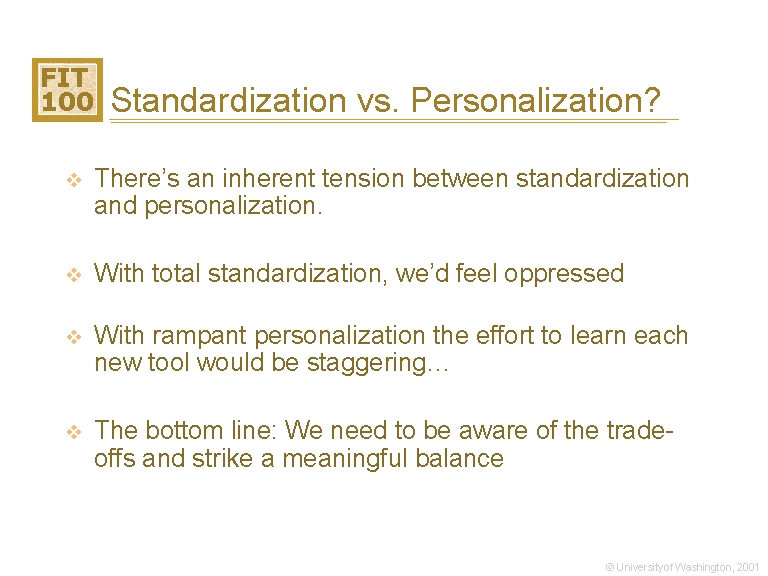
| What is Personalization? | ||
|---|---|---|
| Personalization involves tailoring customer service to individual preferences and needs. It focuses on creating a unique and personalized experience for each customer. Personalization helps build strong customer relationships and loyalty. | ||
| 2 | ||

| Advantages of Personalization | ||
|---|---|---|
| Improved customer satisfaction: Personalization shows customers that their needs are understood and valued. Increased customer loyalty: By providing personalized experiences, customers are more likely to remain loyal to a brand. Higher customer lifetime value: Personalization can lead to increased sales and higher customer retention rates. | ||
| 3 | ||

| What is Standardization? | ||
|---|---|---|
| Standardization involves applying consistent processes and procedures to customer service. It focuses on efficiency, consistency, and scalability. Standardization helps ensure that all customers receive the same level of service. | ||
| 4 | ||

| Advantages of Standardization | ||
|---|---|---|
| Streamlined operations: Standardization allows for efficient and consistent service delivery across different channels. Cost savings: Standardized processes can help reduce operational costs and increase productivity. Quality control: Standardization ensures that service quality remains consistent and meets customer expectations. | ||
| 5 | ||

| Finding the Balance | ||
|---|---|---|
| Understand customer preferences: Gather data and feedback to understand what level of personalization customers expect. Segmentation: Group customers based on their needs and preferences to deliver personalized experiences to specific segments. Use technology wisely: Leverage technology to automate standardized processes while still allowing for personalization. | ||
| 6 | ||

| Case Studies | ||
|---|---|---|
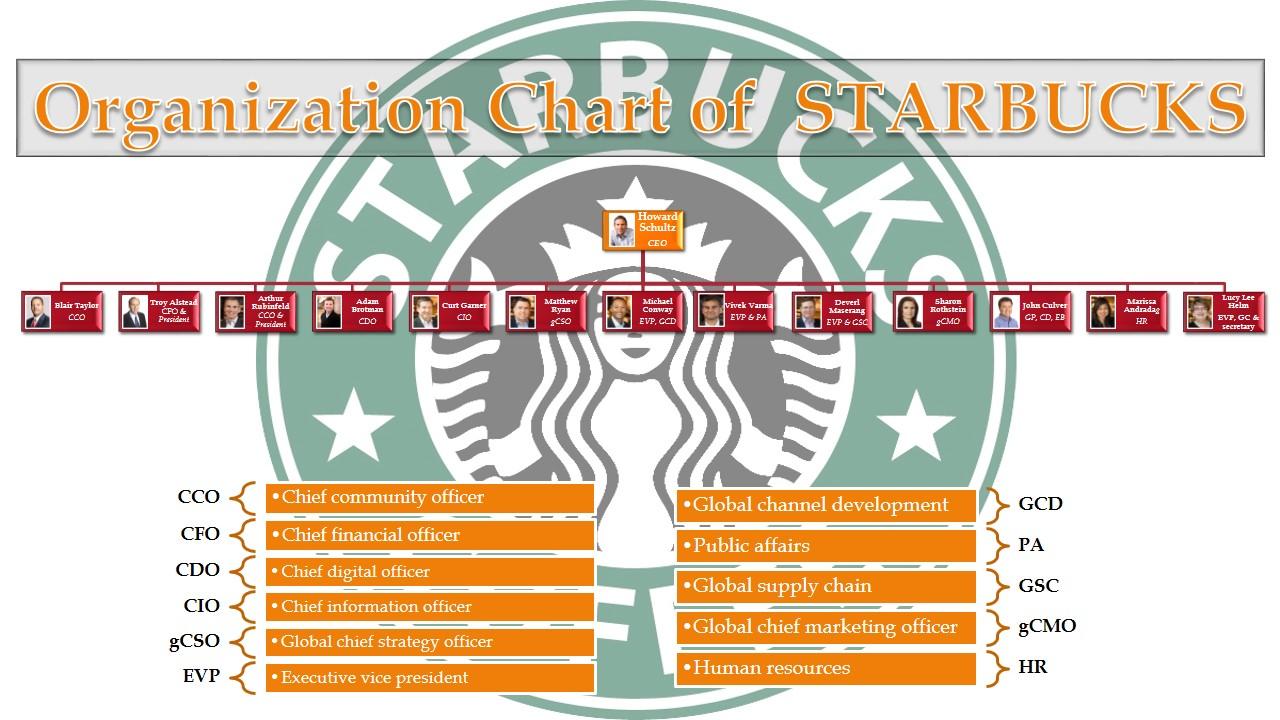
| Amazon: Combines personalized recommendations based on customer history with standardized and efficient delivery processes. Starbucks: Offers personalized drink recommendations through its mobile app, while maintaining consistent service standards across all stores. Zappos: Provides personalized customer service through its dedicated customer support team, while also adhering to standardized return policies. | ||
| 7 | ||
| Conclusion | ||
|---|---|---|
| Personalization and standardization are both important in customer service. Finding the right balance depends on understanding customer preferences, segmentation, and leveraging technology. Striking the right balance will lead to enhanced customer satisfaction, loyalty, and business success. | ||
| 8 | ||