Patents, Copyrights And Trade Marks Presentation
| Introduction | ||
|---|---|---|
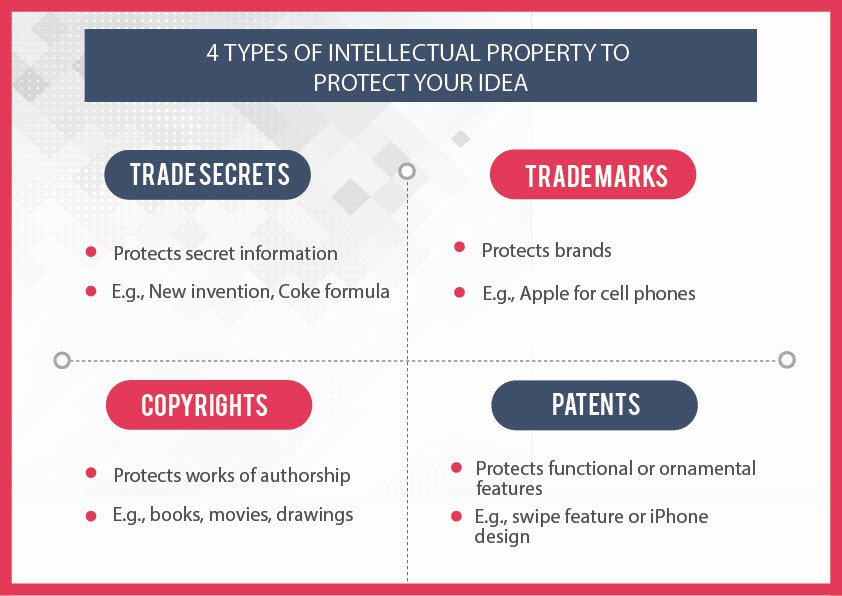
| Intellectual property protection is crucial for businesses. Patents, copyrights, and trademarks are the three main types of protection. Each type serves a different purpose and offers distinct benefits. | ||
| 1 | ||
| Patents | ||
|---|---|---|
| Patents protect inventions and innovative ideas. They grant exclusive rights to the inventor for a limited time. Patents provide legal protection and prevent others from making, using, or selling the patented invention. | ||
| 2 | ||

| Copyrights | ||
|---|---|---|
| Copyrights protect original works of authorship. They cover literary, artistic, musical, and other creative works. Copyrights give the creator exclusive rights to reproduce, distribute, display, and perform their work. | ||
| 3 | ||

| Trade Marks | ||
|---|---|---|
| Trade marks protect brands, logos, and symbols. They distinguish goods or services from competitors in the market. Registered trade marks provide legal protection and prevent others from using similar marks. | ||
| 4 | ||

| Patent Process | ||
|---|---|---|
| The patent process involves filing an application with a patent office. The application undergoes examination to determine if the invention is novel, non-obvious, and useful. If granted, the patent owner has the right to enforce their exclusive rights. | ||
| 5 | ||

| Copyright Process | ||
|---|---|---|
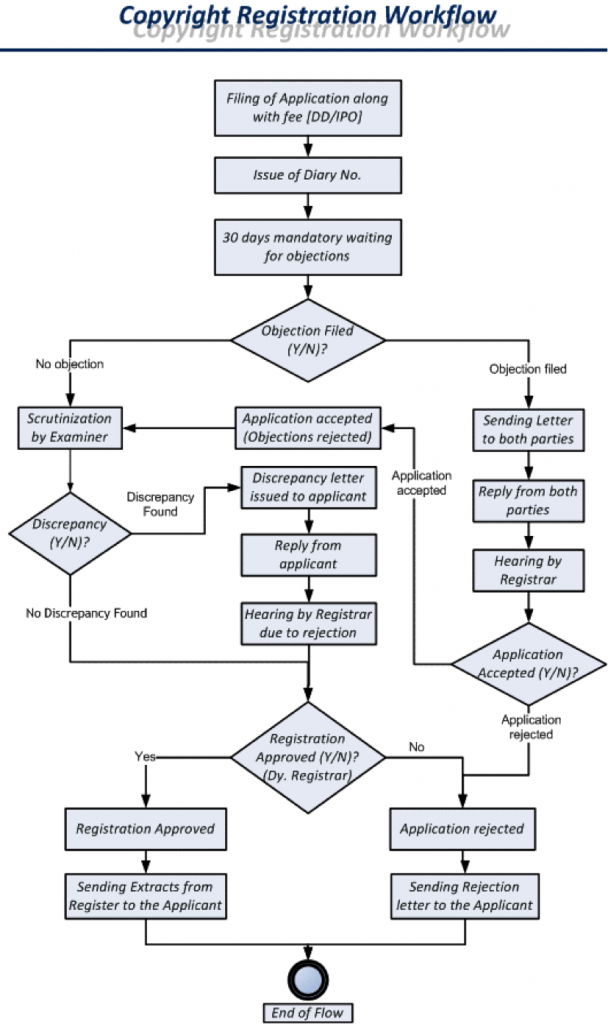
| Copyright protection is automatic upon creation of the work. However, registering the copyright with the Copyright Office enhances protection and provides legal benefits. Copyright registration involves submitting an application and the required fee. | ||
| 6 | ||
| Trade Mark Process | ||
|---|---|---|
| Trade mark registration involves filing an application with the appropriate authority. The application undergoes examination to ensure the mark is distinctive and not confusingly similar to existing marks. Once registered, the trade mark owner can enforce their rights against infringement. | ||
| 7 | ||

| Conclusion | ||
|---|---|---|
| Obtaining patents, copyrights, and trade marks is essential for protecting intellectual property. Each type of protection serves a unique purpose and offers different advantages. Understanding and utilizing these protections is crucial for businesses to thrive and safeguard their innovations and creations. | ||
| 8 | ||
