Models For Predicting Legal Outcomes Presentation
| Introduction to Models for Predicting Legal Outcomes | ||
|---|---|---|
| Models for predicting legal outcomes are tools that use data and algorithms to forecast the likelihood of specific legal outcomes. These models are designed to assist lawyers, judges, and policymakers in making informed decisions and improving efficiency in the legal system. By analyzing past cases and relevant variables, these models aim to provide insights into potential outcomes. | ||
| 1 | ||
| Types of Predictive Models | ||
|---|---|---|
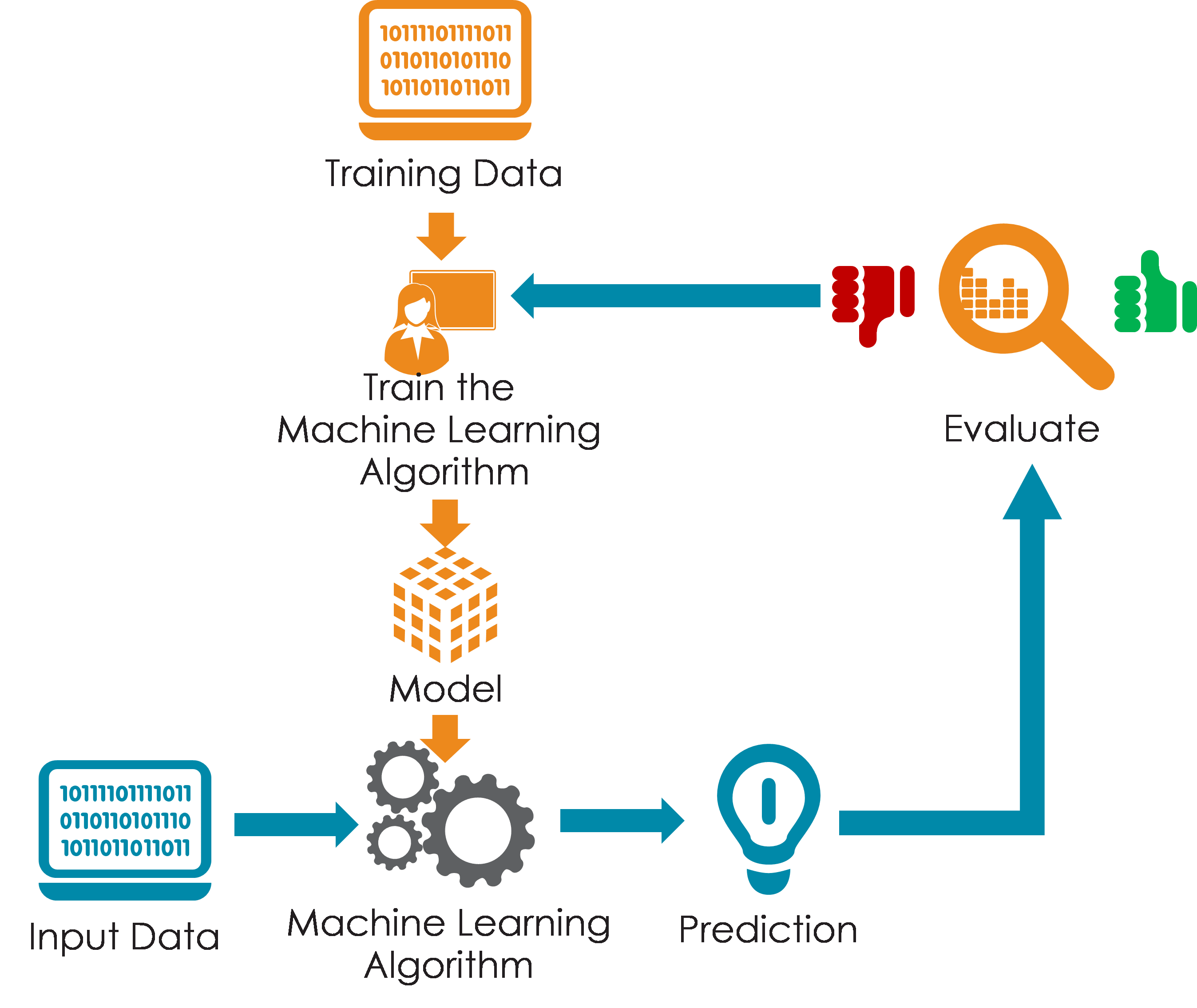
| Statistical models: These models use historical data to identify patterns and make predictions based on probabilities. Machine learning models: These models leverage algorithms to learn from data, adapt, and make predictions based on patterns and features. Natural language processing models: These models analyze and interpret legal text, such as case law, statutes, and contracts, to predict outcomes based on language patterns and context. | ||
| 2 | ||

| Factors Considered in Predictive Models | ||
|---|---|---|
| Case-specific factors: Models consider case details such as jurisdiction, type of case, parties involved, legal arguments, and prior rulings. Historical data: Models analyze past cases and outcomes to identify patterns and correlations that can be used to predict future outcomes. Legal principles and rules: Models incorporate legal principles and rules to ensure predictions align with established legal frameworks. | ||
| 3 | ||

| Benefits of Predictive Models | ||
|---|---|---|
| Increased efficiency: Predictive models can help streamline legal processes, reducing time and costs involved in legal proceedings. Informed decision-making: Lawyers, judges, and policymakers can make more informed decisions by considering predictions generated by these models. Transparency and accountability: Predictive models provide a transparent methodology, making it easier to identify biases and assess the reliability of predictions. | ||
| 4 | ||

| Limitations and Ethical Considerations | ||
|---|---|---|
| Data bias: Predictive models may reflect biases present in historical data, leading to unfair outcomes. Limited human context: Models may not fully capture the nuanced human factors that can influence legal outcomes, such as emotions, personal circumstances, and cultural context. Ethical implications: Potential misuse or overreliance on predictive models can raise concerns about due process, privacy, and the role of human judgment in the legal system. | ||
| 5 | ||
| Challenges and Future Directions | ||
|---|---|---|
| Data availability and quality: Access to comprehensive and reliable legal data is crucial for accurate predictions, but it can be challenging to obtain. Interpretability: Developing models that provide explanations for their predictions is essential for building trust and ensuring accountability. Continuous improvement: Models must be continuously updated and refined to adapt to evolving legal landscapes and changing societal norms. | ||
| 6 | ||

| Conclusion | ||
|---|---|---|
| Models for predicting legal outcomes have the potential to enhance decision-making and efficiency within the legal system. While these models offer benefits, it is crucial to address limitations, biases, and ethical considerations to ensure fairness and uphold the principles of justice. As technology advances and data availability improves, predictive models will likely play an increasingly significant role in shaping the future of the legal profession. | ||
| 7 | ||

| References (download PPTX file for details) | ||
|---|---|---|
| Angwin, J., Larson, J., Mattu, S., & Kirchner... Katz, D. M., Bommarito, M. J., & Blackman, J.... Srinivasan, A. (2017). The future of legal an... |  | |
| 8 | ||