Mental Health Presentation
| Introduction to Mental Health | ||
|---|---|---|
| Mental health is the state of well-being in which an individual realizes their own abilities, can cope with the normal stresses of life, can work productively, and is able to make a contribution to their community. Mental health is not just the absence of mental illness, but also includes emotional, psychological, and social well-being. Factors that can influence mental health include genetics, life experiences, family history of mental health problems, and biological factors such as chemical imbalances in the brain. |  | |
| 1 | ||
| Common Mental Health Disorders | ||
|---|---|---|
| Anxiety Disorders: Characterized by excessive worry, fear, or uneasiness, and can include disorders such as generalized anxiety disorder, panic disorder, and social anxiety disorder. Mood Disorders: Affects a person's emotional state, such as major depressive disorder and bipolar disorder. Schizophrenia: A chronic mental disorder that affects a person's perception of reality, thoughts, emotions, and behavior. | ||
| 2 | ||
:max_bytes(150000):strip_icc()/dsm-5-criteria-for-generalized-anxiety-disorder-1393147-final-5cde49b87f644d4a9eb25ad7ab1ceae0.png)
| Importance of Mental Health | ||
|---|---|---|
| Mental health is essential for overall well-being and functioning. Good mental health allows individuals to handle stress, make positive choices, maintain healthy relationships, and contribute to society. Neglecting mental health can lead to a decline in overall health, increased risk of physical health problems, and reduced quality of life. | ||
| 3 | ||
| Promoting Mental Health | ||
|---|---|---|
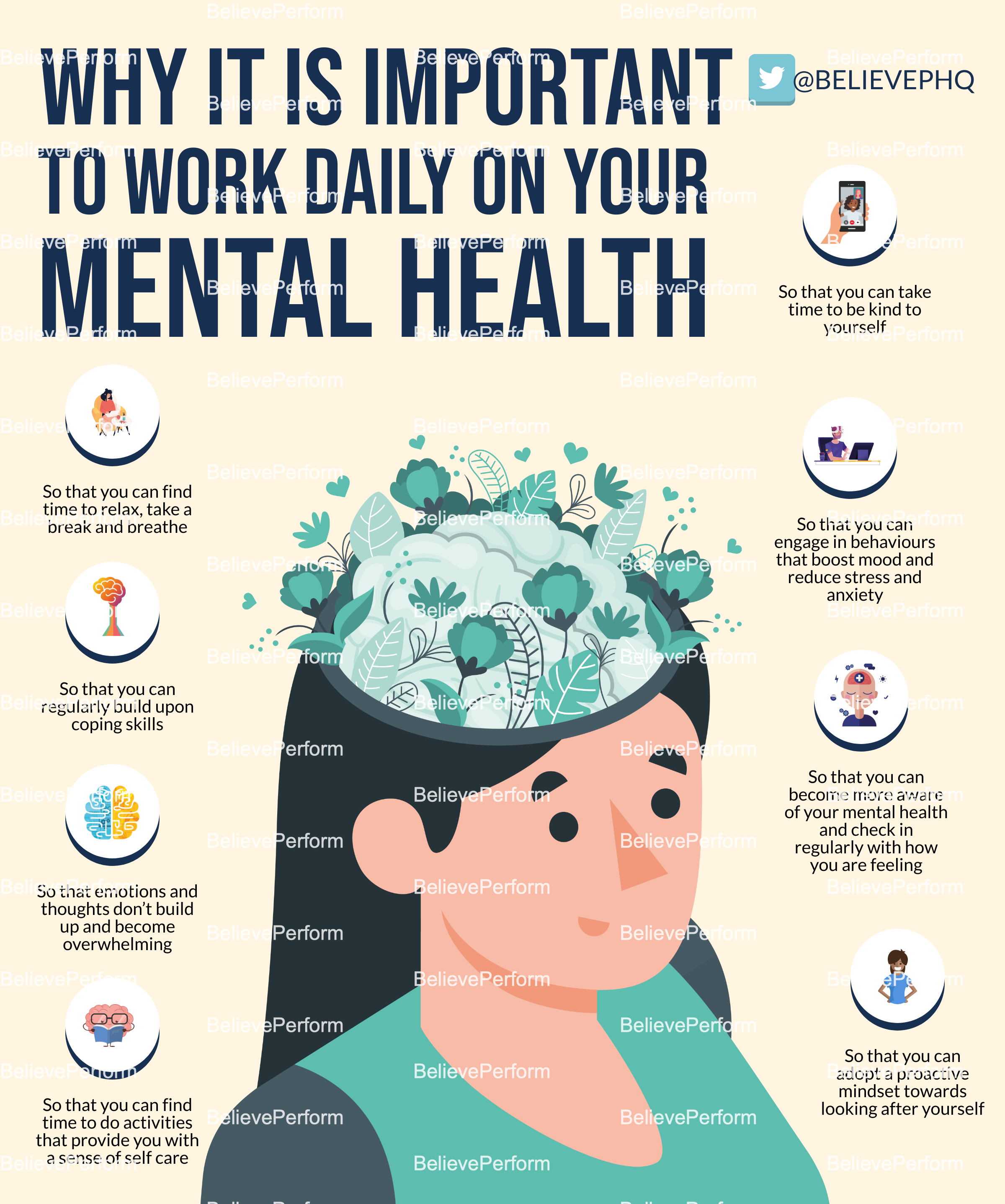
| Seek professional help: If you or someone you know is struggling with mental health, reach out to a mental health professional for assessment and treatment. Maintain a support system: Surround yourself with supportive friends and family members who can provide emotional support. Practice self-care: Engage in activities that promote relaxation, stress reduction, and overall well-being, such as exercise, meditation, and hobbies. | ||
| 4 | ||

| Ending Stigma | ||
|---|---|---|
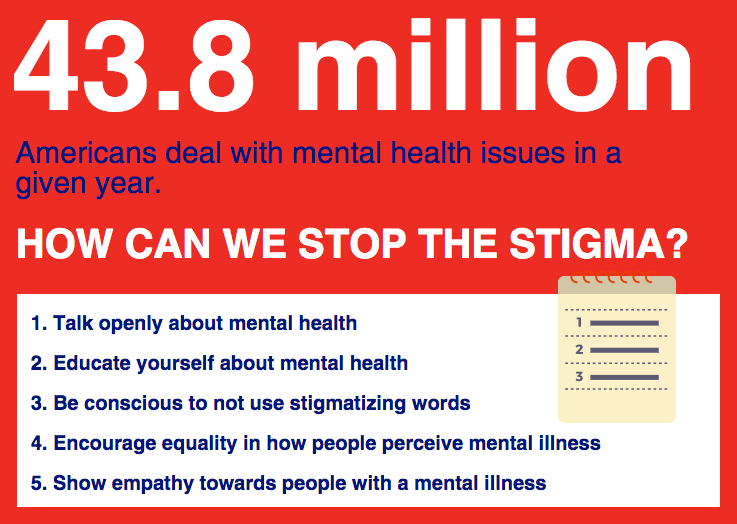
| Educate yourself and others: Learn about mental health conditions to reduce misunderstandings and promote empathy. Advocate for change: Support initiatives that promote mental health awareness, access to treatment, and destigmatization. Encourage open conversations: Foster an environment where individuals feel comfortable discussing their mental health without fear of judgment. | ||
| 5 | ||
| References (download PPTX file for details) | ||
|---|---|---|
| World Health Organization. (2014). Mental hea... National Institute of Mental Health. (n.d.). ... Mental Health Foundation. (n.d.). How to look... | | |
| 6 | ||