Mahathmaha Gadhiji Presentation
| Introduction to Mahathmaha Gadhiji | ||
|---|---|---|
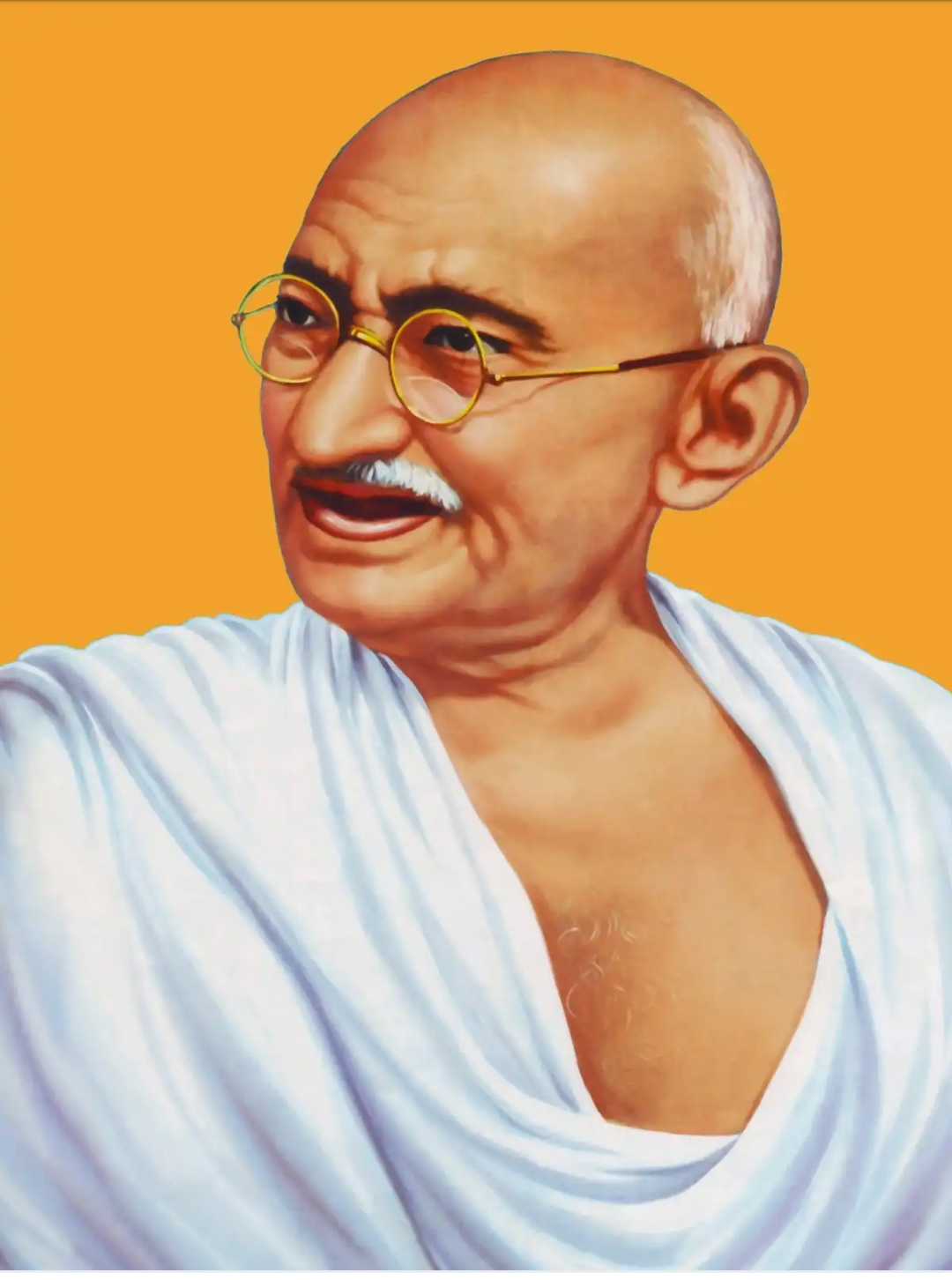
| Mahathmaha Gadhiji, also known as Mohandas Karamchand Gandhi, was a prominent leader in India's independence movement. Born on October 2, 1869, in Porbandar, Gujarat, Gadhiji played a crucial role in securing India's freedom from British rule. Gadhiji is widely regarded as the father of the nation in India and an advocate for nonviolent resistance. | ||
| 1 | ||
| Early Life and Education | ||
|---|---|---|
| Gadhiji came from a middle-class family and showed early signs of leadership and determination. He studied law in London and became a barrister, practicing law in South Africa for over 20 years. It was during his time in South Africa that Gadhiji was exposed to racial discrimination, which deeply influenced his beliefs and activism. | ||
| 2 | ||

| Philosophy of Nonviolent Resistance | ||
|---|---|---|
| Gadhiji developed the philosophy of Satyagraha, meaning "truth-force" or "soul-force." He believed in the power of nonviolent resistance to bring about social and political change. Gadhiji's nonviolent methods inspired many worldwide, including Martin Luther King Jr. and Nelson Mandela. | ||
| 3 | ||

| Role in India's Independence Movement | ||
|---|---|---|
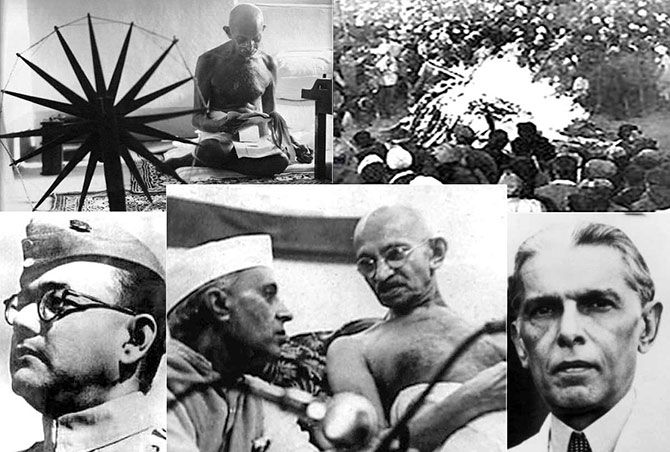
| Gadhiji played a pivotal role in organizing various campaigns and movements, such as the Salt March and Quit India Movement. He led protests and civil disobedience against British colonial rule, emphasizing the power of peaceful resistance. Gadhiji's efforts contributed to the eventual independence of India on August 15, 1947. | ||
| 4 | ||
| Legacy and Impact | ||
|---|---|---|
| Mahathmaha Gadhiji's legacy continues to inspire people around the world to fight for justice and equality through nonviolence. His teachings on peace, truth, and nonviolent resistance remain relevant in today's world. Gadhiji's birthday, October 2, is celebrated as the International Day of Nonviolence by the United Nations. | ||
| 5 | ||
