Injury To Heart, Great Vessels And Bronchus Presentation
| Introduction to Injury to the Heart, Great Vessels, and Bronchus | ||
|---|---|---|
| Injury to these structures can have serious consequences. Common causes include trauma, surgical complications, and certain medical conditions. Prompt diagnosis and treatment are crucial for optimal outcomes. | ||
| 1 | ||
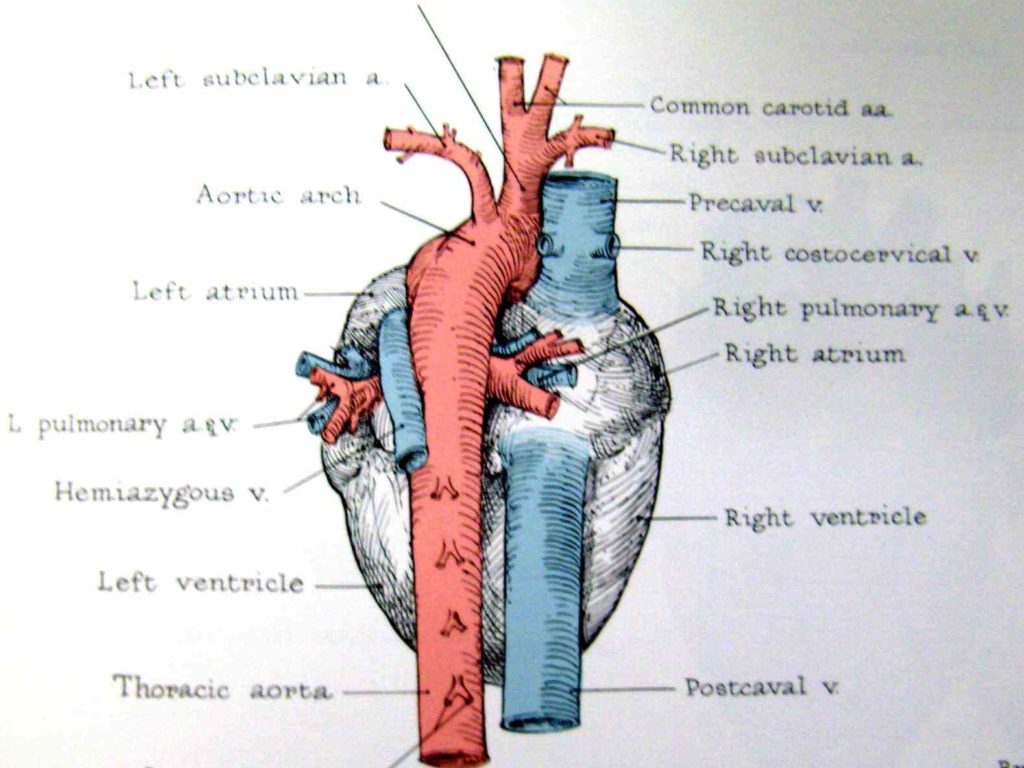
| Injury to the Heart | ||
|---|---|---|
| Penetrating trauma can lead to myocardial rupture. Blunt trauma can cause contusions or myocardial infarction. Management may involve surgical repair or medical intervention, depending on the severity. | ||
| 2 | ||

| Injury to the Great Vessels | ||
|---|---|---|
| Aortic injury can occur from high-impact trauma or iatrogenic causes. Dissection or rupture can lead to life-threatening hemorrhage. Immediate surgical intervention is often necessary to repair or replace the affected vessel. | ||
| 3 | ||

| Injury to the Bronchus | ||
|---|---|---|
| Bronchial injuries can result from penetrating trauma, inhalation of foreign bodies, or iatrogenic causes. Symptoms may include coughing, difficulty breathing, and hemoptysis. Surgical repair is often required, and prompt intervention improves outcomes. | ||
| 4 | ||

| Diagnosis of Heart, Great Vessels, and Bronchial Injuries | ||
|---|---|---|
| Imaging modalities such as CT scans and angiography play a crucial role in diagnosis. Physical examination findings and patient history can provide valuable clues. Invasive procedures like cardiac catheterization may be necessary for definitive diagnosis. | ||
| 5 | ||

| Treatment Approaches | ||
|---|---|---|
| Surgical intervention is often the primary treatment for injuries to these structures. Medical management may include supportive care, medications, and monitoring. Multidisciplinary teams involving cardiothoracic surgeons, interventional radiologists, and pulmonologists are essential for comprehensive care. | ||
| 6 | ||

| Complications and Prognosis | ||
|---|---|---|
| Complications can include infection, bleeding, thrombosis, or long-term functional impairment. The prognosis varies depending on the severity of the injury and the promptness of treatment. Rehabilitation and follow-up care are important for optimizing recovery. | ||
| 7 | ||
| Prevention Strategies | ||
|---|---|---|
| Promoting safety measures and awareness can prevent traumatic injuries. Proper training and techniques are crucial in surgical procedures to minimize iatrogenic injuries. Early recognition and management of underlying medical conditions can reduce the risk of complications. | ||
| 8 | ||
| Case Study | ||
|---|---|---|
| Present a brief case study illustrating a specific injury to the heart, great vessels, or bronchus. Describe the initial presentation, diagnostic approach, treatment, and outcomes. Highlight any unique challenges or lessons learned from the case. | ||
| 9 | ||

| Conclusion | ||
|---|---|---|
| Injury to the heart, great vessels, and bronchus can have severe consequences. Early recognition, prompt diagnosis, and appropriate treatment are essential for optimal outcomes. Multidisciplinary collaboration and ongoing follow-up care are crucial in managing these injuries. | ||
| 10 | ||

| References (download PPTX file for details) | ||
|---|---|---|
| Smith J, et al. Cardiovascular injuries: a re... Johnson A, et al. Diagnosis and management of... Martin M, et al. Bronchial injuries: a review... |  | |
| 11 | ||