Humanism Presentation
| Introduction to Humanism | ||
|---|---|---|
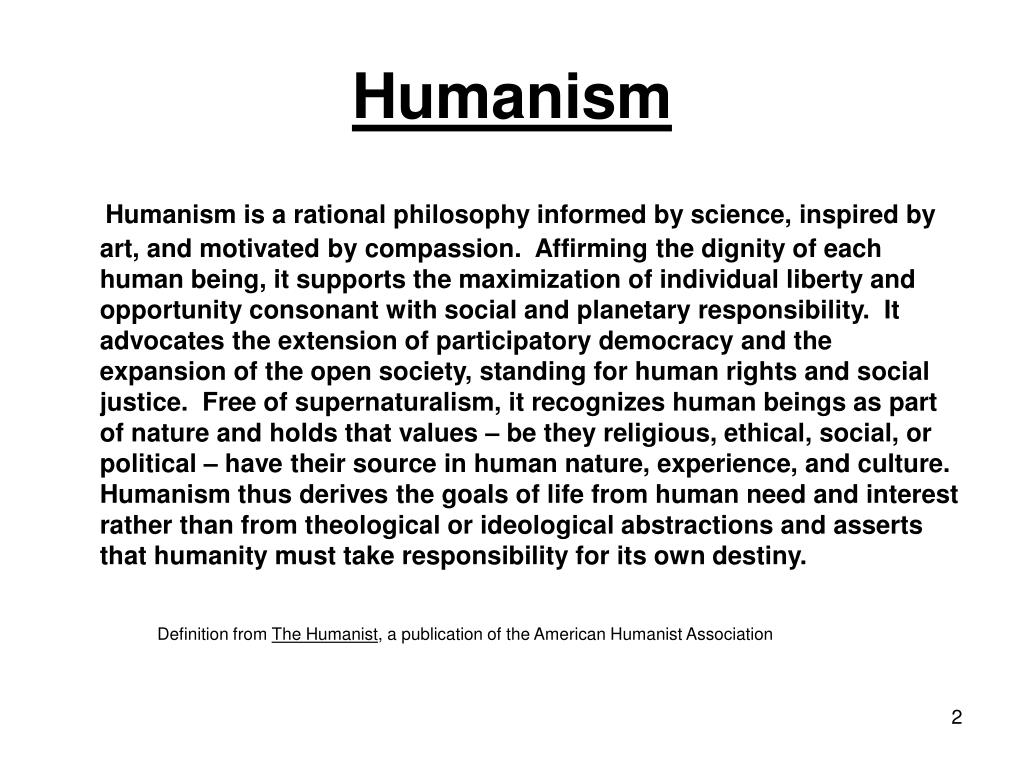
| Humanism is a philosophical and ethical stance that emphasizes the value and agency of human beings. It places importance on reason, science, and critical thinking. Humanism promotes a worldview that focuses on human potential, happiness, and ethical responsibility. | ||
| 1 | ||

| Historical Background | ||
|---|---|---|
| Humanism originated in the Renaissance period in Europe during the 14th to 17th centuries. It was a reaction against the dominant religious beliefs and institutions of the time. Humanists sought to revive classical knowledge, literature, and arts while placing humans at the center of intellectual and cultural life. | ||
| 2 | ||

| Core Principles of Humanism | ||
|---|---|---|
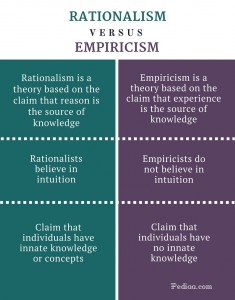
| Rationalism: Humanism emphasizes the use of reason and critical thinking to understand the world and make ethical choices. Human Agency: It recognizes the capacity of individuals to shape their own lives and make meaningful decisions. Value of Science: Humanists value the scientific method as a reliable means of understanding the natural world and reject superstition and dogma. | ||
| 3 | ||
| Ethics and Morality | ||
|---|---|---|
| Humanists believe that moral values and ethical principles should be based on human nature, reason, and empathy. They emphasize the importance of compassion, fairness, and respect for the dignity and rights of all individuals. Humanists reject the notion of divine commandments or absolute moral truths. | ||
| 4 | ||

| Secular Humanism | ||
|---|---|---|
| Secular humanism is a specific branch of humanism that emphasizes a non-religious approach to life. It promotes a naturalistic worldview, rejecting supernatural beliefs. Secular humanism advocates for secular governance, separation of church and state, and equal treatment for all regardless of religious beliefs. | ||
| 5 | ||

| Humanist Education | ||
|---|---|---|
| Humanist education focuses on fostering critical thinking, creativity, and empathy in individuals. It emphasizes the acquisition of knowledge through scientific inquiry and evidence-based reasoning. Humanist education seeks to empower individuals to lead fulfilling lives and contribute positively to society. | ||
| 6 | ||

| Humanist Activism | ||
|---|---|---|
| Humanists are often involved in social and political activism to promote human rights, equality, and social justice. They advocate for the protection of civil liberties, LGBTQ+ rights, gender equality, and environmental sustainability. Humanist organizations work to create a more inclusive and compassionate society. | ||
| 7 | ||

| Criticisms of Humanism | ||
|---|---|---|
| Some critics argue that humanism places too much faith in human reason, leading to a disregard for spirituality or the transcendental. Others claim that humanism can lead to moral relativism without a divine source of moral authority. Criticisms also include accusations of humanism being elitist or disconnected from the needs of marginalized communities. | ||
| 8 | ||
| Contributions of Humanism | ||
|---|---|---|
| Humanism has contributed to the development of democracy, human rights, and the scientific method. It has sparked advancements in literature, art, and architecture through the revival of classical knowledge. Humanism's emphasis on critical thinking has paved the way for advancements in education and intellectual discourse. | ||
| 9 | ||

| Conclusion | ||
|---|---|---|
| Humanism is a philosophy that places humans at the center of ethical and intellectual pursuits. It promotes reason, science, and human agency while emphasizing compassion and respect for all individuals. Humanism continues to shape our understanding of ethics, education, activism, and the pursuit of a more just and inclusive society. | ||
| 10 | ||
| References (download PPTX file for details) | ||
|---|---|---|
| American Humanist Association. (n.d.). What i... Britannica. (2021). Humanism. Retrieved from ... The Humanist Society. (n.d.). What is Humanis... |  | |
| 11 | ||