Hostel Management Presentation
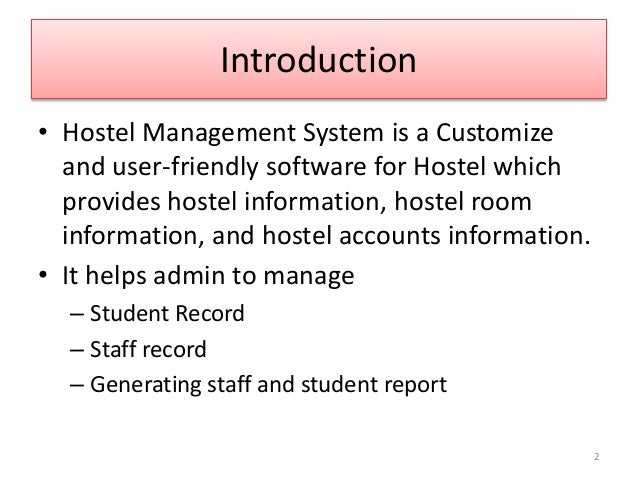
| Introduction to Hostel Management | ||
|---|---|---|
| Hostel management refers to the efficient and effective operation of a hostel facility. The main goal of hostel management is to provide a safe and comfortable environment for residents. Effective hostel management involves various tasks, including administration, maintenance, and customer service. | ||
| 1 | ||
| Administration | ||
|---|---|---|
| Hostel administration involves managing reservations, check-ins, and check-outs. It also includes ensuring compliance with legal and safety regulations. Effective administration requires efficient record-keeping and communication with residents. | ||
| 2 | ||
| Maintenance | ||
|---|---|---|
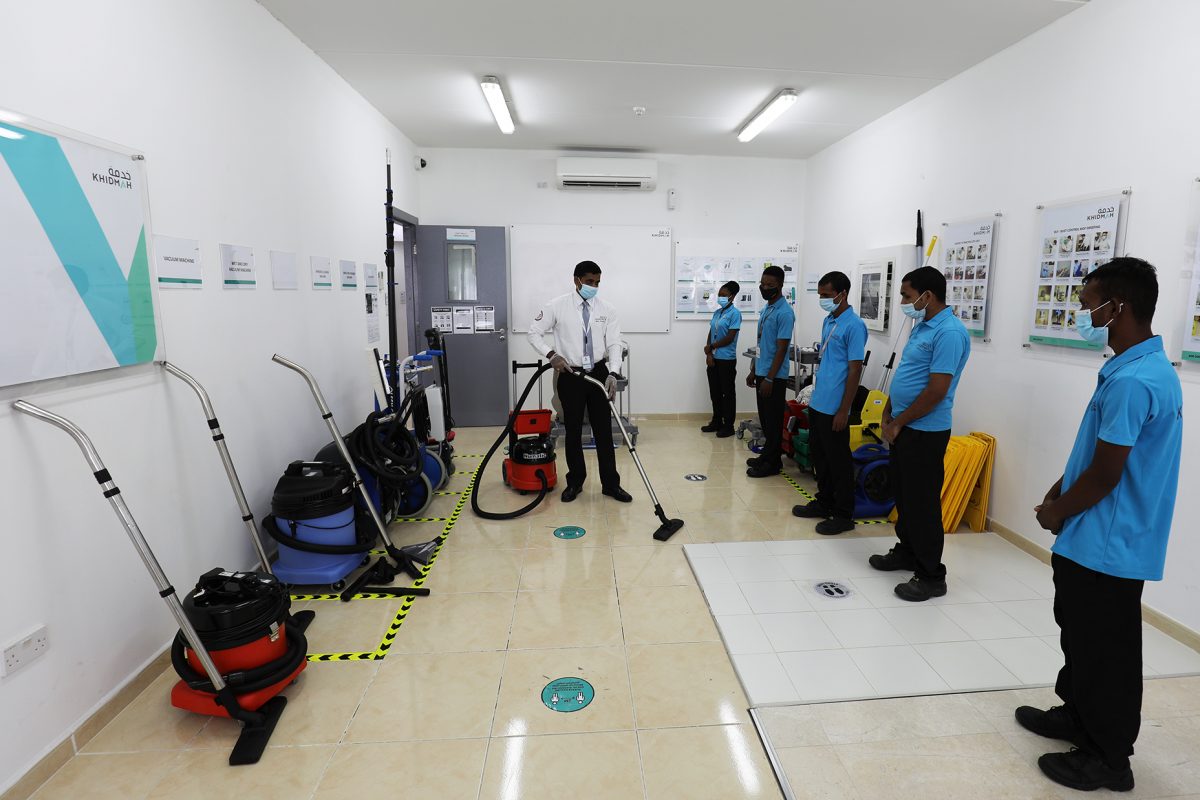
| Regular maintenance is crucial for a well-functioning hostel. It includes cleaning common areas, rooms, and bathrooms. Maintenance also involves repairing any damages or faulty equipment promptly. | ||
| 3 | ||

| Customer Service | ||
|---|---|---|
| Providing excellent customer service is essential for hostel management. Staff should be friendly, approachable, and knowledgeable. Addressing residents' concerns and resolving issues promptly contributes to a positive experience. | ||
| 4 | ||
:max_bytes(150000):strip_icc()/providing-excellent-customer-service-2951744-v4-5b730d1646e0fb005012a364.png)
| Security | ||
|---|---|---|
| Ensuring the safety and security of residents is a top priority. Implementing access control systems and surveillance cameras can help enhance security. Regular security checks and staff training on emergency procedures are also vital. | ||
| 5 | ||

| Financial Management | ||
|---|---|---|
| Effective financial management involves budgeting and cost control. Monitoring expenses and revenue helps maintain profitability. Regular financial analysis and forecasting assist in making informed decisions. | ||
| 6 | ||

| Marketing and Promotion | ||
|---|---|---|
| Marketing and promotion are essential to attract residents and maintain high occupancy rates. Utilizing online platforms, social media, and partnerships with travel agencies can help reach a wider audience. Offering unique services or organizing events can differentiate the hostel from competitors. | ||
| 7 | ||

| Staff Training and Development | ||
|---|---|---|
| Continuous staff training enhances their skills and knowledge. Training programs should focus on customer service, communication, and problem-solving. Encouraging staff development and providing growth opportunities can improve staff retention. | ||
| 8 | ||
| Sustainability | ||
|---|---|---|
| Emphasizing sustainability practices reduces environmental impact. Implementing energy-efficient measures and waste management strategies is crucial. Engaging residents in sustainable practices can create a positive impact. | ||
| 9 | ||

| Conclusion | ||
|---|---|---|
| Effective hostel management involves administration, maintenance, customer service, security, financial management, marketing, staff training, and sustainability. Prioritizing these aspects contributes to a successful hostel operation. Continuous improvement and adaptation to changing trends are key to staying competitive. | ||
| 10 | ||
| References (download PPTX file for details) | ||
|---|---|---|
| Smith, J. (2018). Hostel Management Best Prac... Brown, A. (2020). The Role of Administration ... Johnson, M. (2019). Customer Service Strategi... |  | |
| 11 | ||