Fw Taylor Presentation
| Introduction to F.W. Taylor | ||
|---|---|---|
| Frederick Winslow Taylor was an American engineer and management consultant. He is often referred to as the "father of scientific management." Taylor's work in the early 20th century revolutionized the way organizations approached productivity and efficiency. | ||
| 1 | ||

| Principles of Scientific Management | ||
|---|---|---|
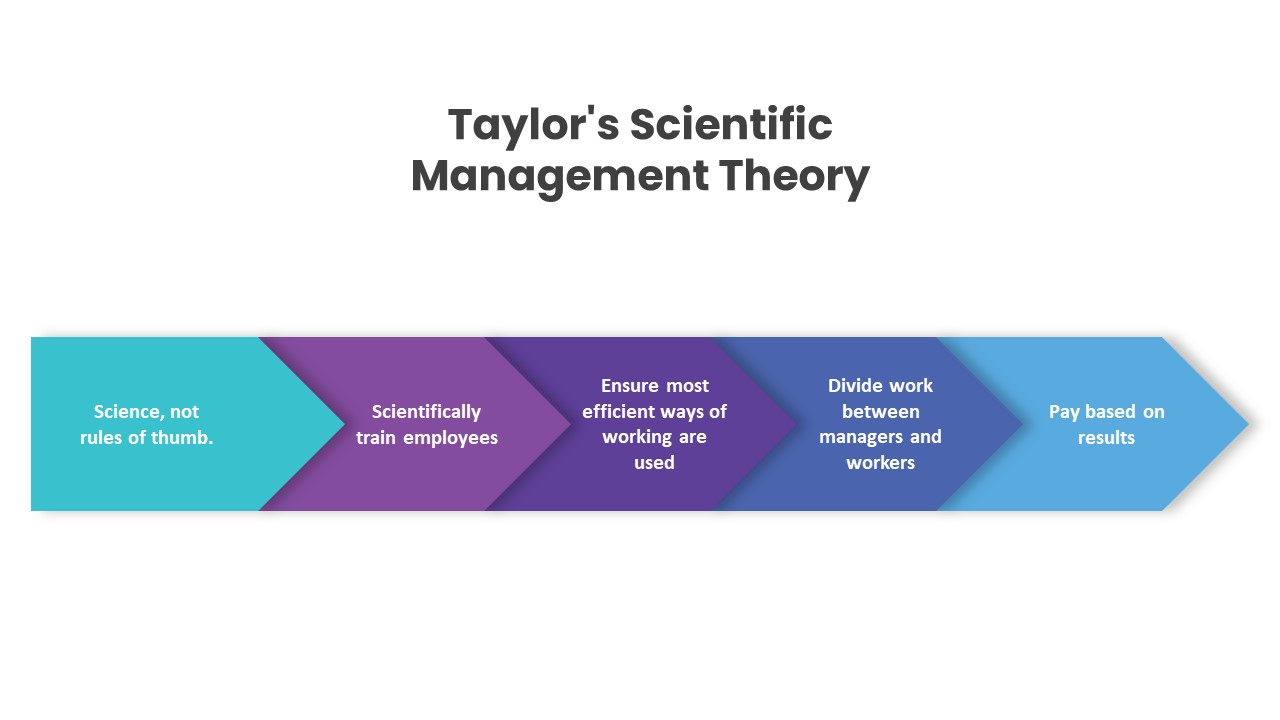
| Taylor believed that the work process should be studied scientifically to identify the most efficient methods. He emphasized the need for standardized work procedures to eliminate inefficiencies and improve productivity. Taylor suggested that managers should carefully select and train workers to ensure they are well-suited for their tasks. | ||
| 2 | ||
| Time and Motion Studies | ||
|---|---|---|
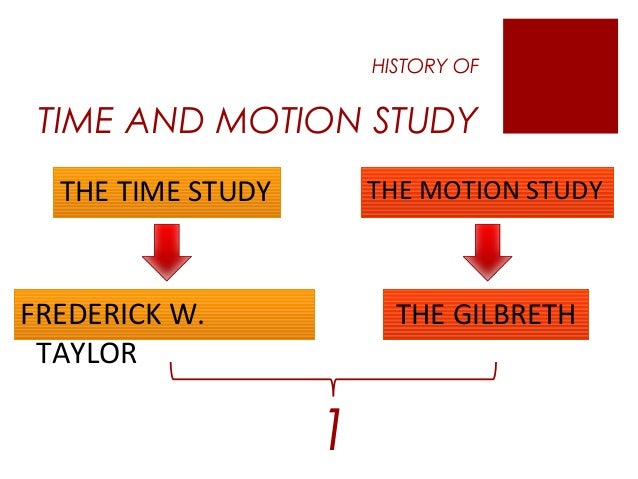
| Taylor conducted time and motion studies to analyze and improve work processes. He believed that work tasks should be broken down into small, measurable units to identify areas for improvement. By reducing unnecessary movements and optimizing work methods, Taylor aimed to increase productivity and minimize fatigue. | ||
| 3 | ||
| Incentives and Motivation | ||
|---|---|---|
| Taylor emphasized the importance of providing financial incentives to motivate workers to perform at their best. He developed a piece-rate system where workers were paid based on their output. Taylor believed that a fair and transparent incentive system would lead to increased productivity and employee satisfaction. | ||
| 4 | ||

| Legacy and Criticisms | ||
|---|---|---|
| Taylor's ideas had a significant impact on management theory and practice. His scientific management principles laid the foundation for modern management techniques. However, Taylor's approach has also faced criticism for its focus on efficiency at the expense of worker well-being and the complexity of human behavior in the workplace. Note: Please keep in mind that this is a general outline for a slide presentation and you may need to expand on each sub-bullet with more specific information or examples. |  | |
| 5 | ||