Essay On Origami Presentation
| Introduction to Origami | ||
|---|---|---|
| Origami is the traditional Japanese art of paper folding. It originated in the 17th century and has since spread worldwide. The word "origami" comes from the Japanese words "ori," meaning folding, and "kami," meaning paper. | ||
| 1 | ||
| Basic Techniques | ||
|---|---|---|
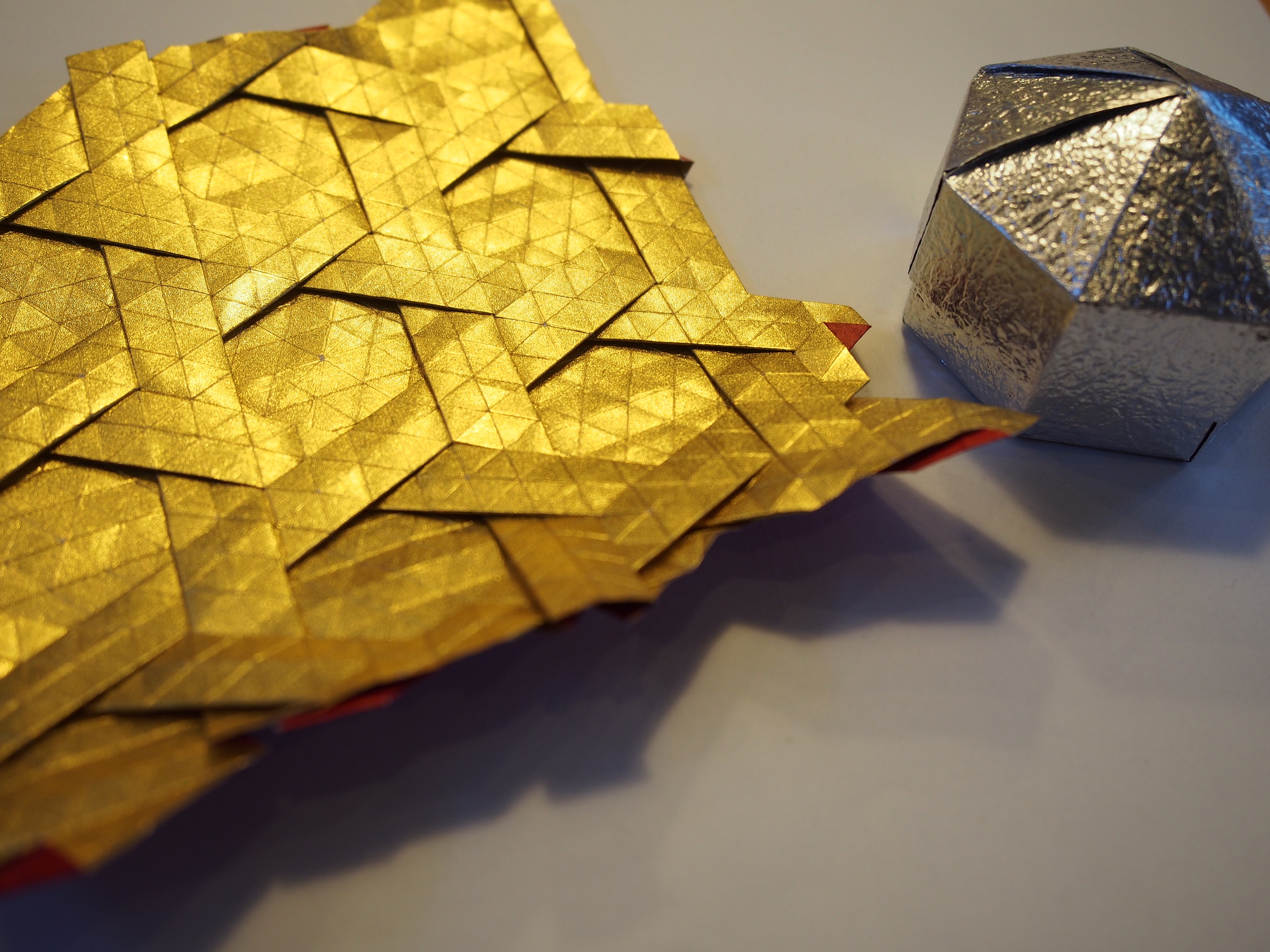
| Origami starts with a square piece of paper. The paper is folded using various techniques, such as valley folds and mountain folds. The goal is to create a desired shape or figure without cutting or gluing the paper. | ||
| 2 | ||
| Cultural Significance | ||
|---|---|---|
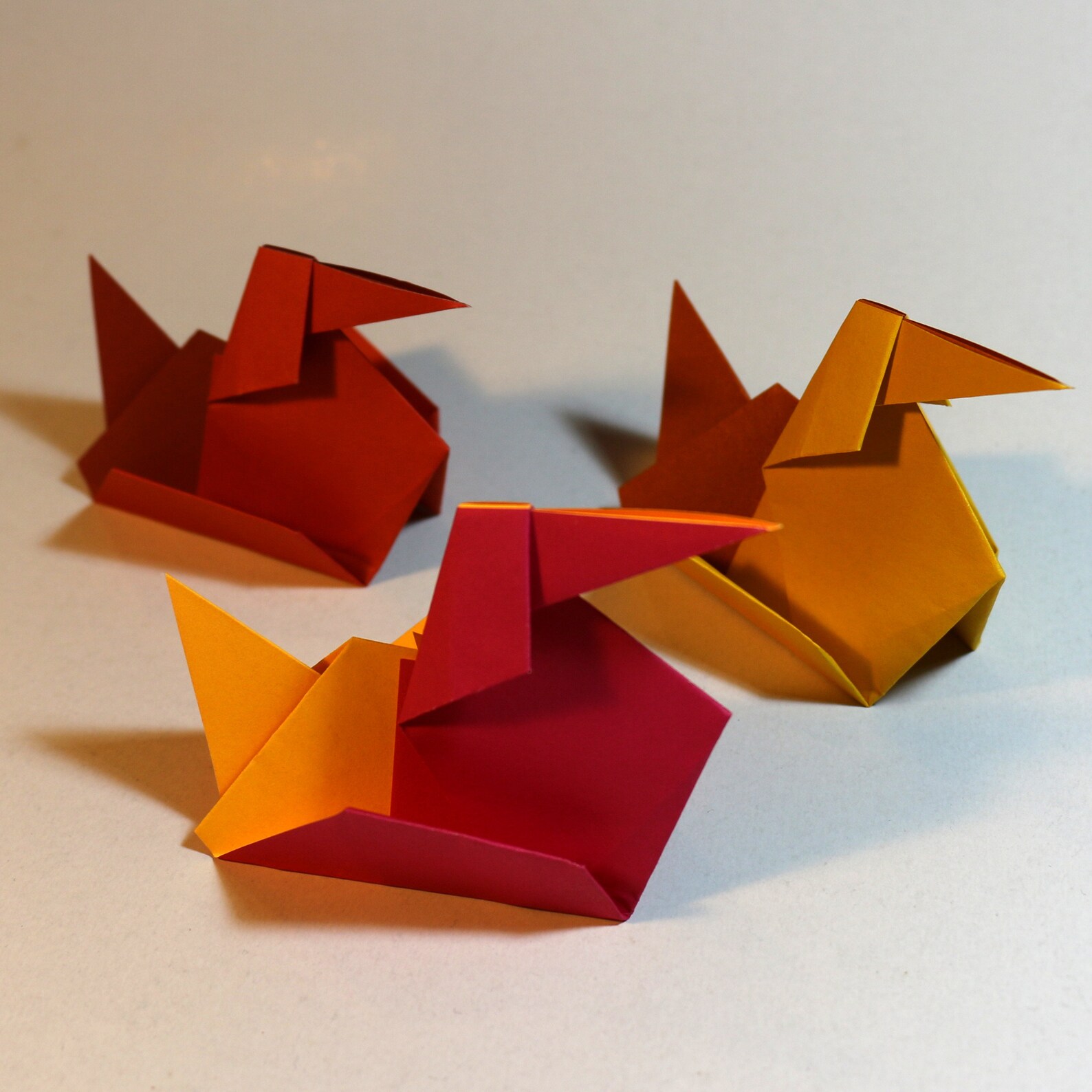
| Origami is deeply rooted in Japanese culture and is often associated with spirituality. It is used in traditional ceremonies, such as weddings and funerals. Origami is also a popular craft activity for children and adults alike. | ||
| 3 | ||
| Benefits of Origami | ||
|---|---|---|
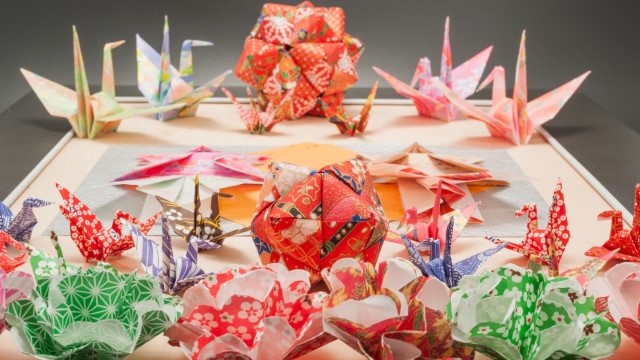
| Origami is not just an enjoyable pastime, but also has cognitive benefits. It improves hand-eye coordination and spatial awareness. Origami can also be used as a therapeutic tool, reducing stress and promoting relaxation. | ||
| 4 | ||

| Famous Origami Figures | ||
|---|---|---|
| The crane is one of the most well-known origami figures. It symbolizes peace, longevity, and good luck. Other popular figures include the butterfly, flower, and frog. | ||
| 5 | ||

| Advanced Techniques | ||
|---|---|---|
| As origami has evolved, complex techniques have been developed. Modular origami involves assembling multiple folded units to create intricate structures. Wet folding allows for more organic and sculptural forms. | ||
| 6 | ||

| Origami in Science and Technology | ||
|---|---|---|
| The principles of origami are being applied in various scientific and technological fields. Origami-inspired designs are used in architecture, robotics, and medical devices. Foldable materials and structures have promising applications in space exploration and transportation. | ||
| 7 | ||

| International Origami Organizations | ||
|---|---|---|
| There are several international organizations dedicated to promoting and preserving origami. The OrigamiUSA and the British Origami Society are two prominent organizations. These organizations hold conventions, publish books, and provide resources for origami enthusiasts. | ||
| 8 | ||

| Popularity in Modern Culture | ||
|---|---|---|
| Origami has gained popularity in mainstream media and popular culture. It is featured in movies, advertisements, and even fashion. Origami-themed events and exhibitions attract people from all walks of life. | ||
| 9 | ||

| Conclusion | ||
|---|---|---|
| Origami is a timeless art form that continues to captivate people around the world. Its cultural significance, cognitive benefits, and applications in various fields make it a versatile and fascinating practice. Whether you're a beginner or an expert, origami offers endless possibilities for creativity and self-expression. | ||
| 10 | ||

| References (download PPTX file for details) | ||
|---|---|---|
| "Origami." Wikipedia, Wikimedia Foundation, 5... Lang, Robert J. Origami Design Secrets: Mathe... "OrigamiUSA." OrigamiUSA, origamiusa.org/ .... |  | |
| 11 | ||