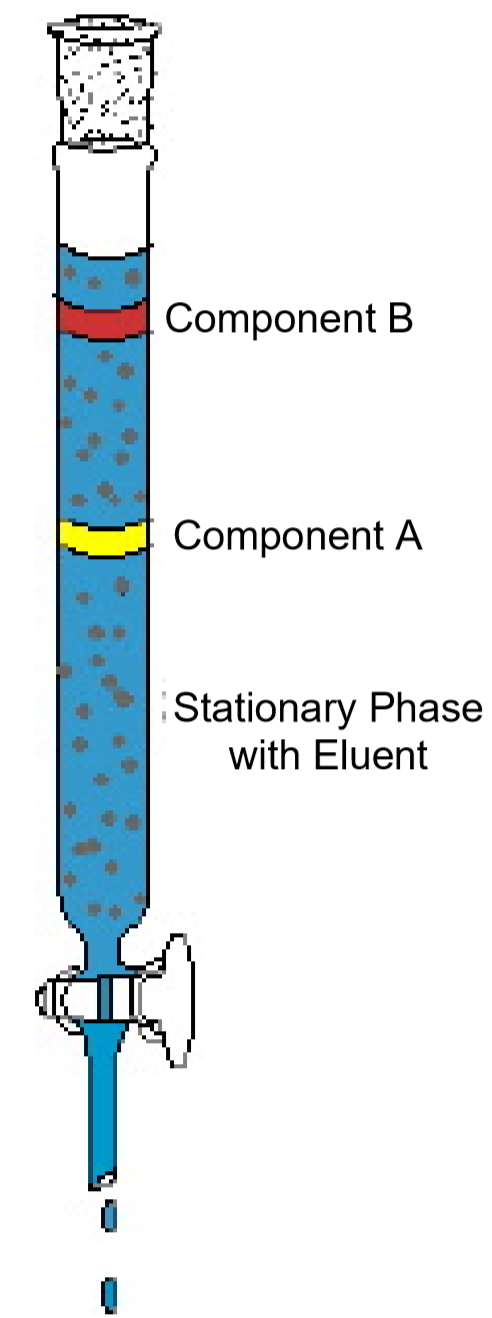
Chromatography In Medicinal And Pharmaceutical Industries Presentation
| Introduction to Chromatography in Medicinal and Pharmaceutical Industries | ||
|---|---|---|
| Chromatography is a widely used analytical technique in the medicinal and pharmaceutical industries. It is used for separation, purification, and identification of various compounds. Chromatography plays a crucial role in drug discovery, development, and quality control. | ||
| 1 | ||
| Types of Chromatography Used in Medicinal and Pharmaceutical Industries | ||
|---|---|---|
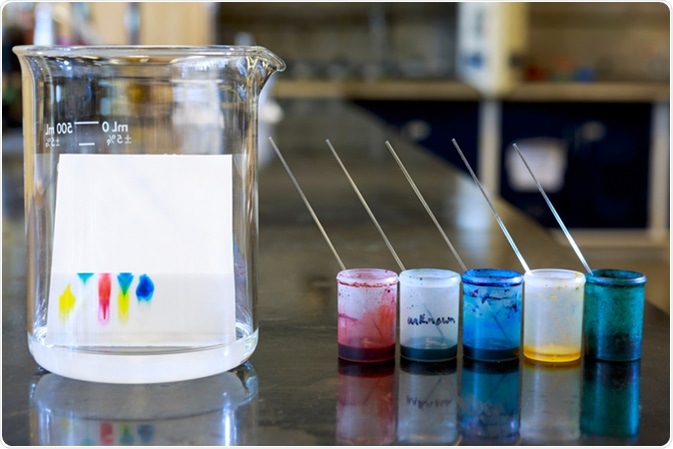
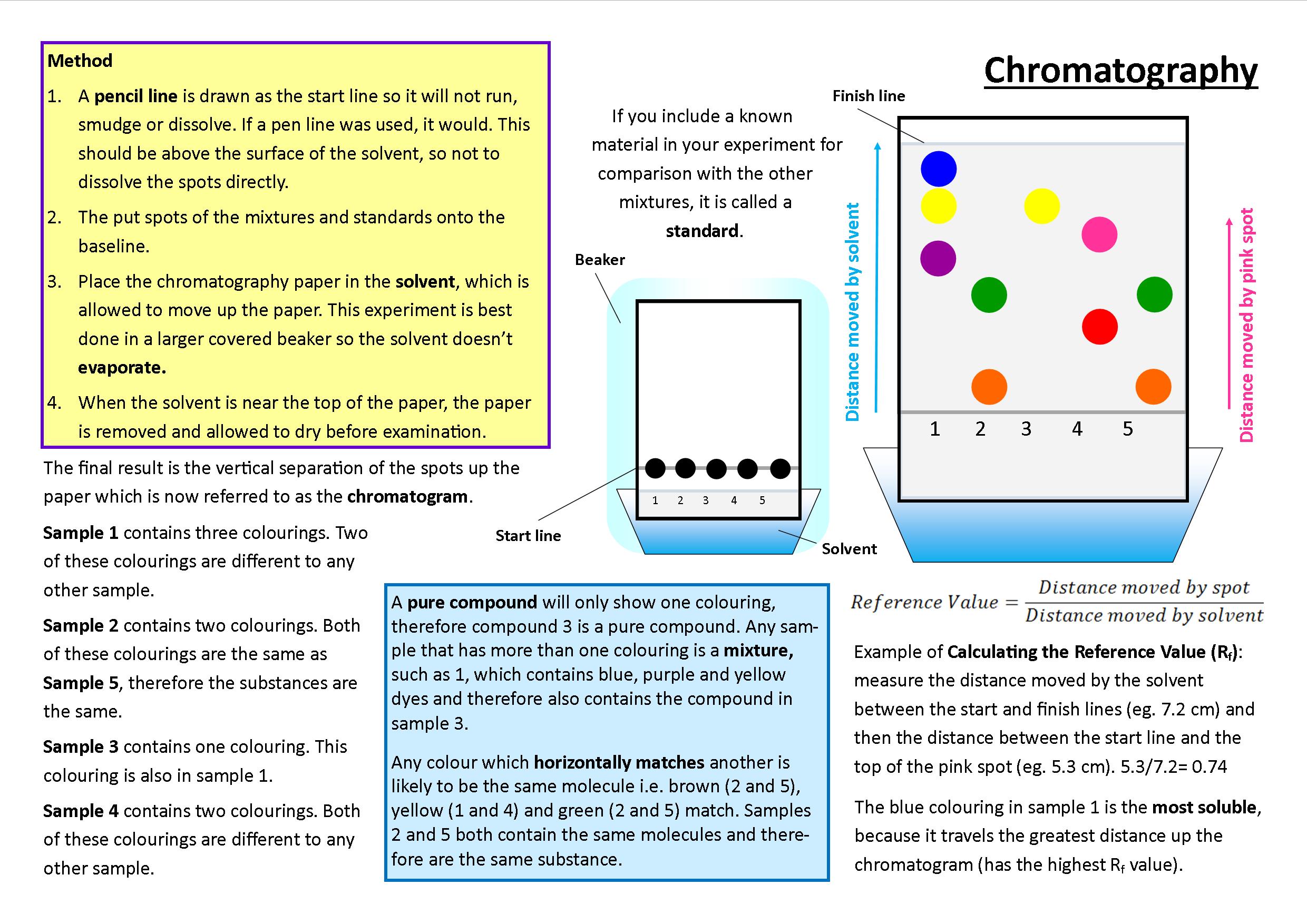
| High-Performance Liquid Chromatography (HPLC) is the most commonly used technique. Gas Chromatography (GC) is used for volatile compound analysis. Thin Layer Chromatography (TLC) is often used for rapid screening and identification. | ||
| 2 | ||

| Applications of Chromatography in Drug Discovery | ||
|---|---|---|
| Chromatography is used to identify and isolate potential drug candidates from natural sources. It helps in the purification of drug compounds for further analysis and testing. Chromatographic techniques are employed for pharmacokinetic studies to understand the absorption, distribution, metabolism, and excretion of drugs. | ||
| 3 | ||

| Chromatography in Drug Development | ||
|---|---|---|
| Chromatography is used to determine the purity and quality of drug substances. It helps in the analysis of impurities and degradation products. Stability testing and formulation studies also rely on chromatographic techniques. | ||
| 4 | ||

| Quality Control and Chromatography | ||
|---|---|---|
| Chromatography is an essential tool for quality control in the pharmaceutical industry. It is used for batch-to-batch consistency and quality assessment. Chromatographic methods are employed to ensure the absence of impurities and contaminants in drug products. | ||
| 5 | ||
.jpg)
| Chromatography in Pharmacokinetic Studies | ||
|---|---|---|
| Chromatography plays a crucial role in pharmacokinetic studies by determining drug concentrations in biological samples. It helps in understanding drug absorption, distribution, metabolism, and excretion. Quantitative analysis of drugs in biological fluids is achieved through chromatographic techniques. | ||
| 6 | ||

| Chromatography for Drug Formulation | ||
|---|---|---|
| Chromatography assists in the development and optimization of drug formulations. It helps in determining the dissolution rate, stability, and compatibility of drugs with excipients. Chromatographic methods are used to analyze drug release from dosage forms. | ||
| 7 | ||
| Chromatography in Herbal Medicine Analysis | ||
|---|---|---|
| Chromatography is used to analyze the composition of herbal medicines. It helps in identifying active compounds and assessing their quality. Chromatographic techniques are employed for standardization and quality control of herbal products. | ||
| 8 | ||

| Future Trends in Chromatography for Medicinal and Pharmaceutical Industries | ||
|---|---|---|
| Advancements in chromatographic techniques, such as ultra-high-performance liquid chromatography (UHPLC) and hyphenated techniques, offer improved resolution and sensitivity. Miniaturization and automation of chromatographic systems will enhance efficiency and throughput. Integration of chromatography with mass spectrometry and other detection techniques will provide comprehensive analysis capabilities. | ||
| 9 | ||
| Conclusion | ||
|---|---|---|
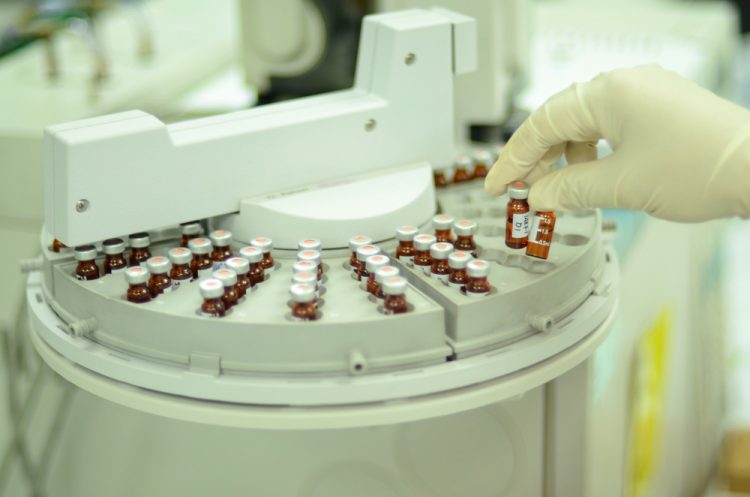
| Chromatography is a vital analytical technique in the medicinal and pharmaceutical industries. It is used for separation, purification, identification, and quality control of drugs and drug substances. Ongoing advancements in chromatography will continue to drive innovation and improve efficiency in these industries. | ||
| 10 | ||