Balance Of Trade Theory Presentation
| Balance of Trade Theory | ||
|---|---|---|
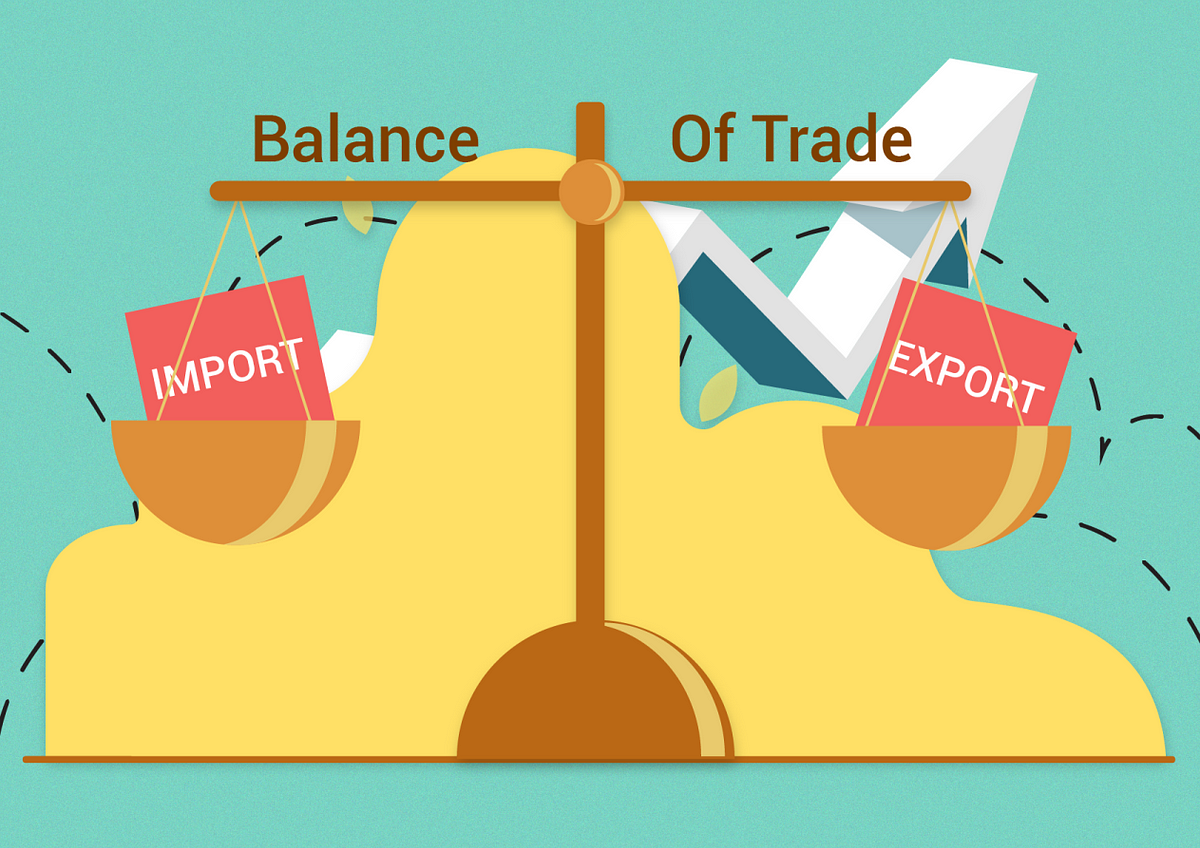
| The balance of trade theory is an economic concept that measures the difference between a country's exports and imports of goods and services. It focuses on the relationship between a country's trade deficit or surplus and its overall economic health. A trade deficit occurs when a country imports more than it exports, while a trade surplus occurs when a country exports more than it imports. | ||
| 1 | ||
| Key Factors and Implications | ||
|---|---|---|
| The balance of trade theory is influenced by several factors, including exchange rates, domestic and foreign demand, government policies, and global economic conditions. A trade deficit can lead to a decrease in domestic production, loss of jobs, and a reliance on foreign products. A trade surplus can contribute to economic growth, increased employment, and the accumulation of foreign assets. Note: This is a simplified overview of balance of trade theory. It is important to note that the topic can be more complex and nuanced, with various theoretical perspectives and empirical evidence. |  | |
| 2 | ||