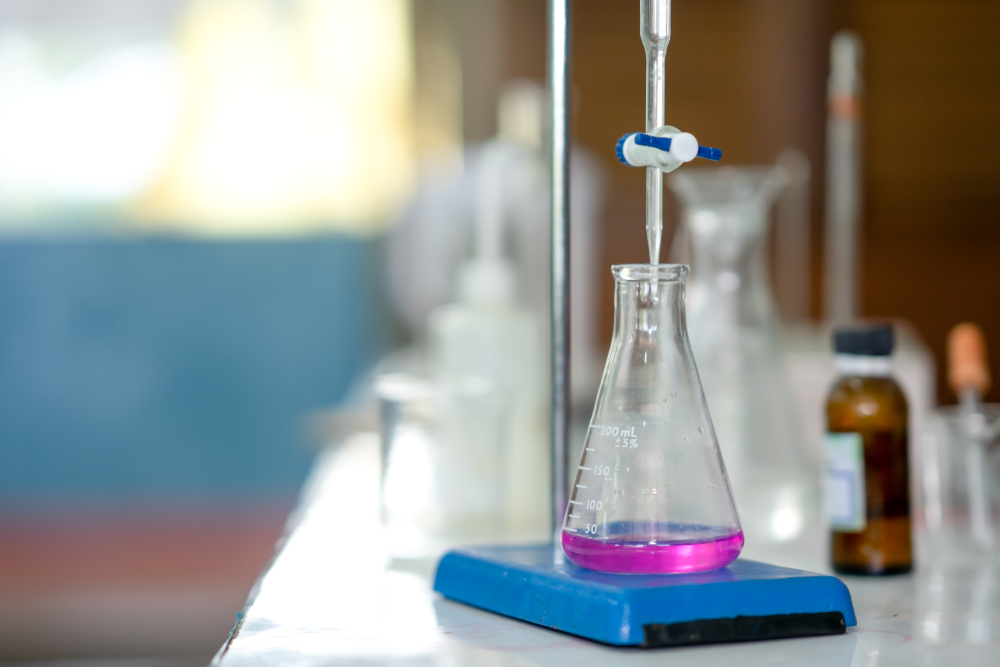
Alkalinity Of Water Experiment Presentation
| Introduction | ||
|---|---|---|
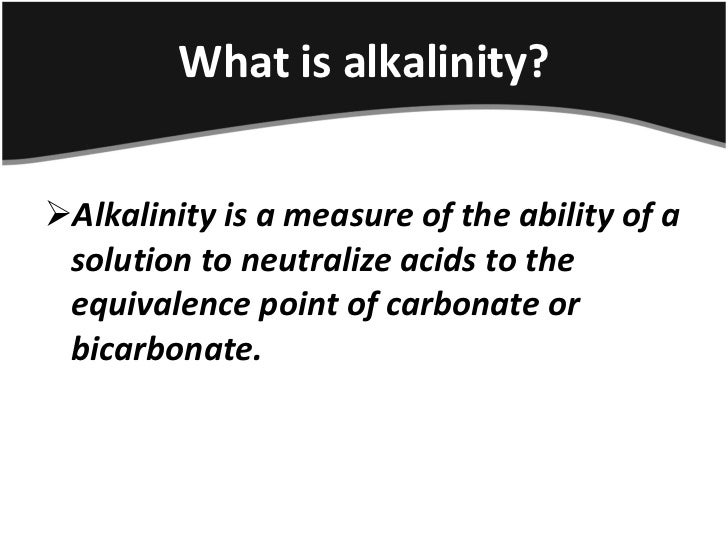
| The alkalinity of water refers to its ability to neutralize acids. Measuring alkalinity helps determine the water's buffering capacity. This experiment aims to investigate the alkalinity of different water samples. | ||
| 1 | ||
| Materials and Methods | ||
|---|---|---|
| Collect water samples from different sources, such as tap water, well water, and river water. Measure 100 ml of each water sample using a graduated cylinder. Add a few drops of phenolphthalein indicator to each water sample. | ||
| 2 | ||

| Experimental Procedure | ||
|---|---|---|
| Titrate each water sample with standardized hydrochloric acid (HCl) solution. Slowly add HCl solution to the water sample while stirring continuously. Observe any color change in the water sample. | ||
| 3 | ||

| Data Collection | ||
|---|---|---|
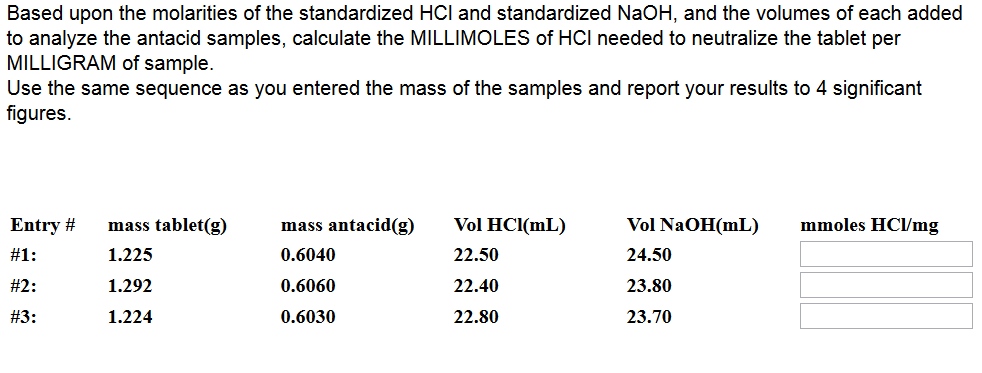
| Record the volume of HCl solution required to change the water sample's color. Repeat the experiment three times for each water sample. Calculate the average volume of HCl solution used for each water sample. | ||
| 4 | ||

| Results and Analysis | ||
|---|---|---|
| Compare the average volume of HCl solution used for each water sample. Higher volumes of HCl solution indicate lower alkalinity. Interpret the results to determine the relative alkalinity of the water samples. | ||
| 5 | ||
| Conclusion | ||
|---|---|---|
| The alkalinity of water can be measured using a titration experiment. This experiment helps determine water's buffering capacity against acids. Understanding the alkalinity of water is important for various environmental and industrial applications. | ||
| 6 | ||